

Private Office Ceiling Light
181 productos
New
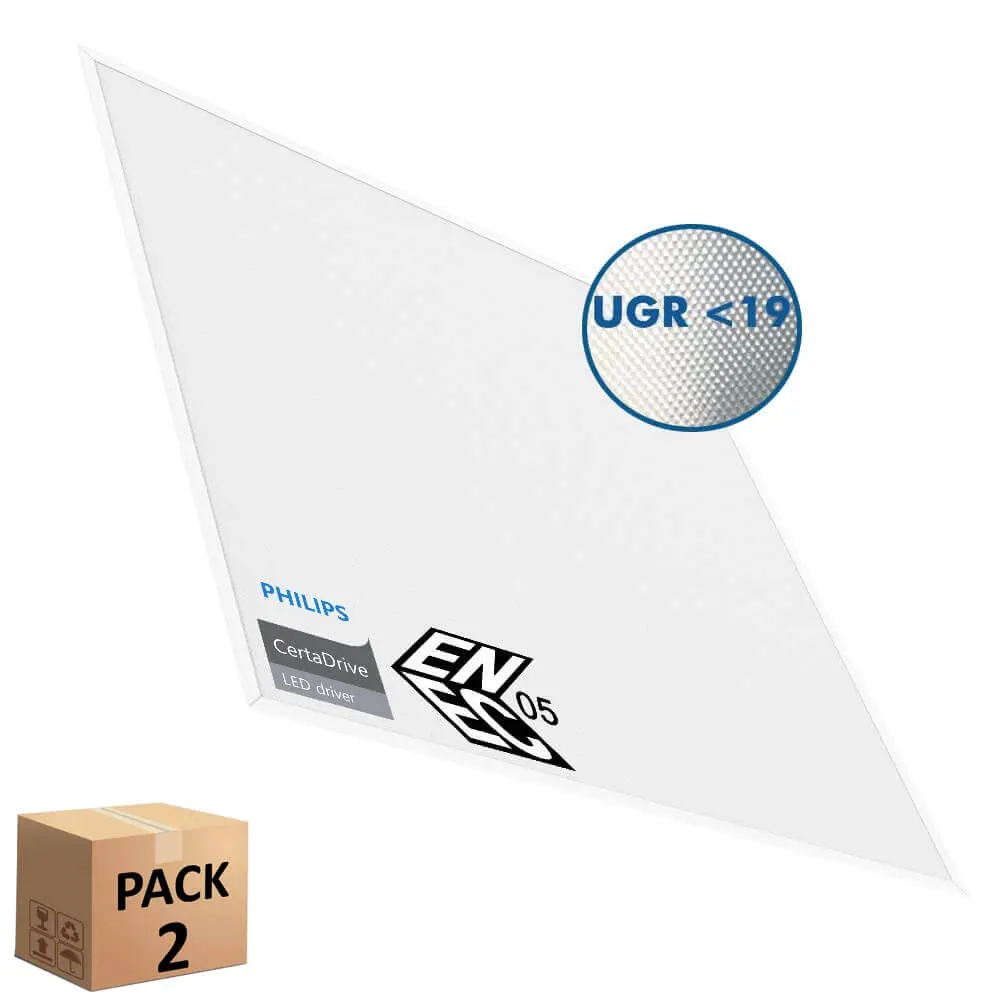
Pack of 2 LED Panels 60x60 40W UGR19 Dimmable DALI/PUSH, TRIAC and 0-10V | Lifud Driver
59,35 €
VAT included
Ref: DIM-PNLIF40WUGR
New
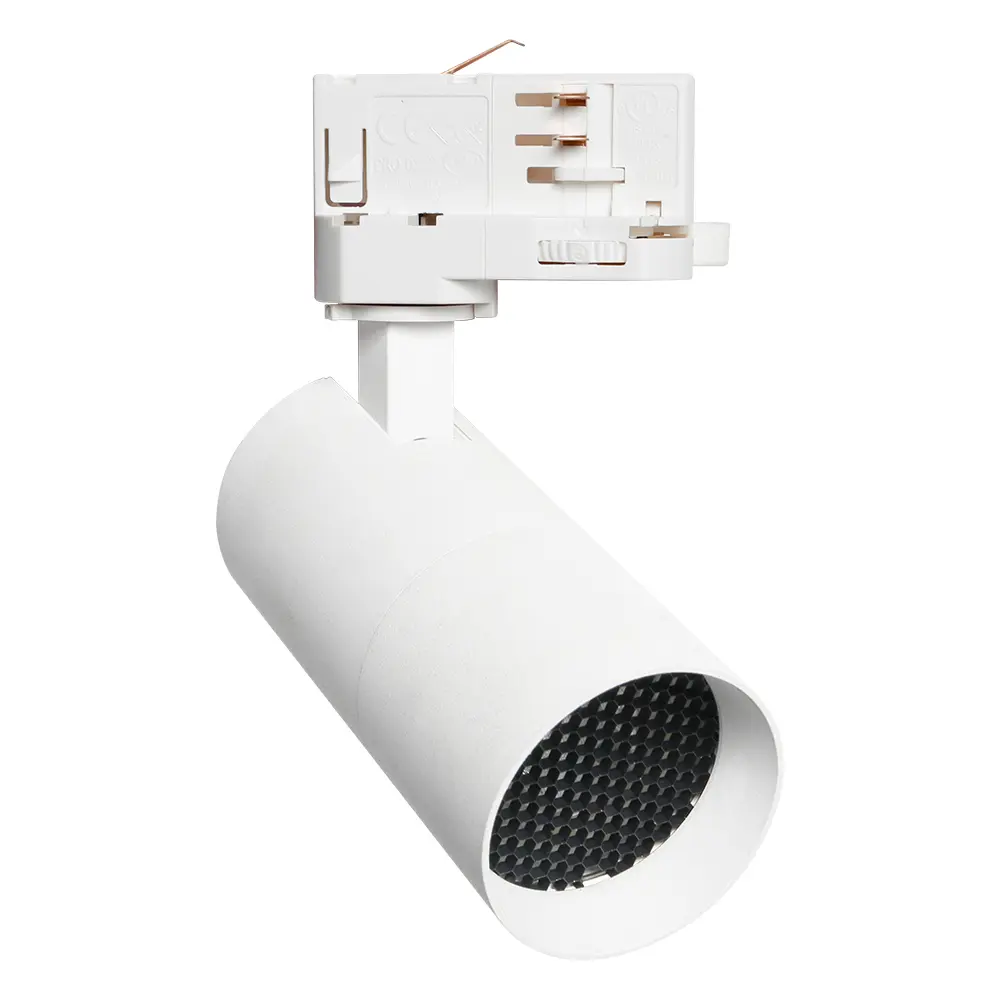
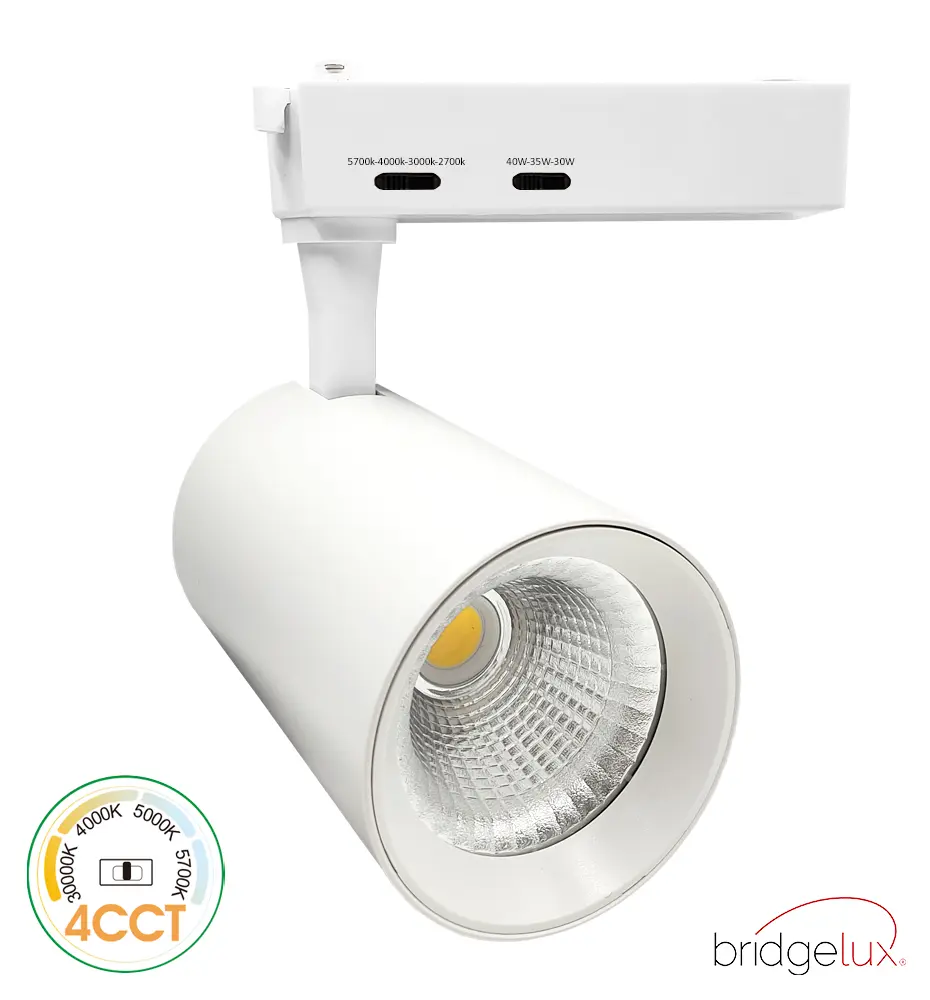
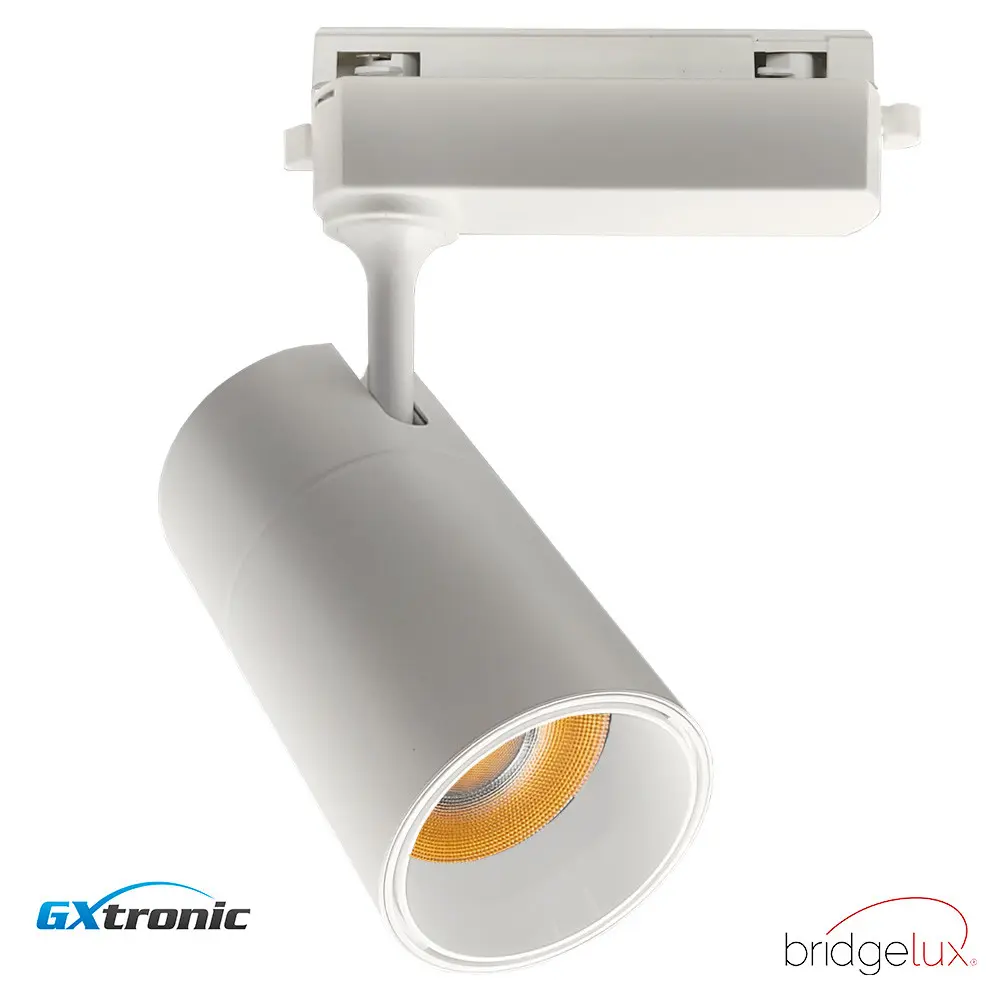
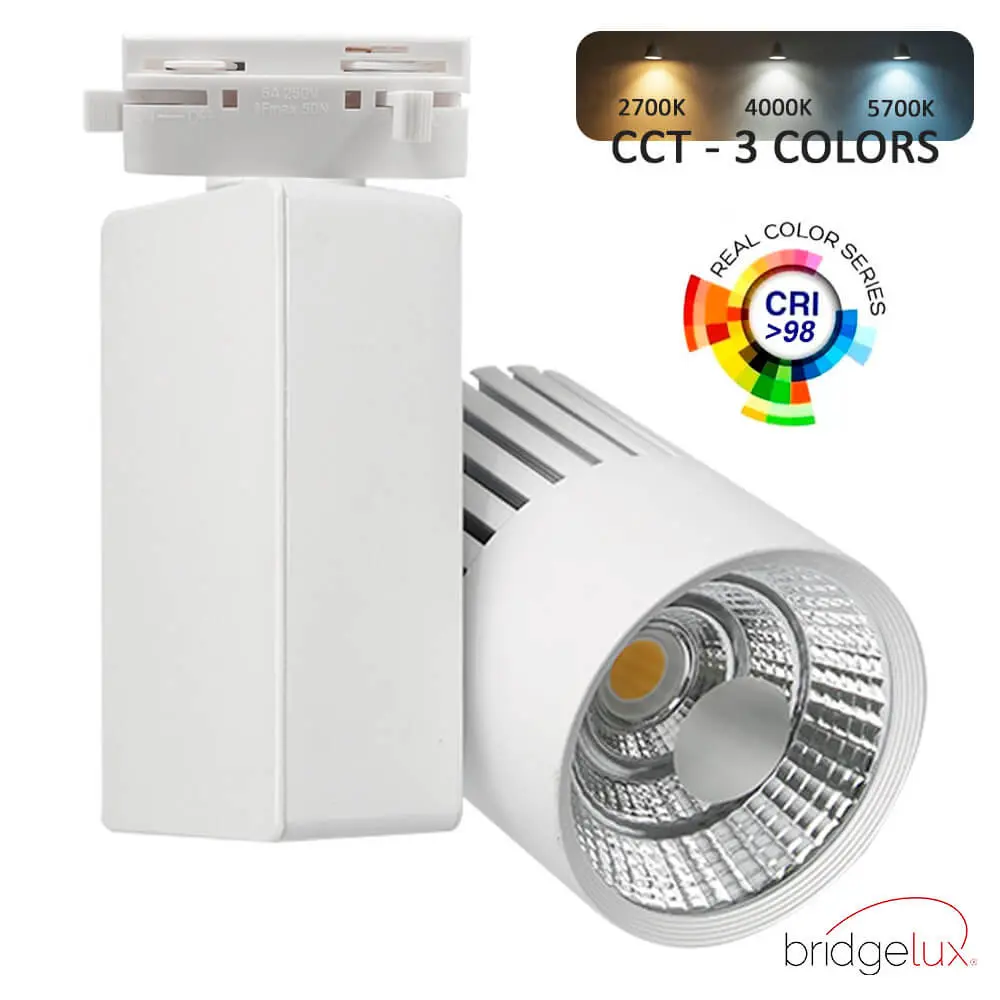
LED Track Light Three-Phase 30W-40W NEW MAYA CRI+92 Bridgelux | No Flicker | Bakery & Butcher Shop | White
36,95 €
VAT included
Ref: TLBMBT40W-CCT-91609
New
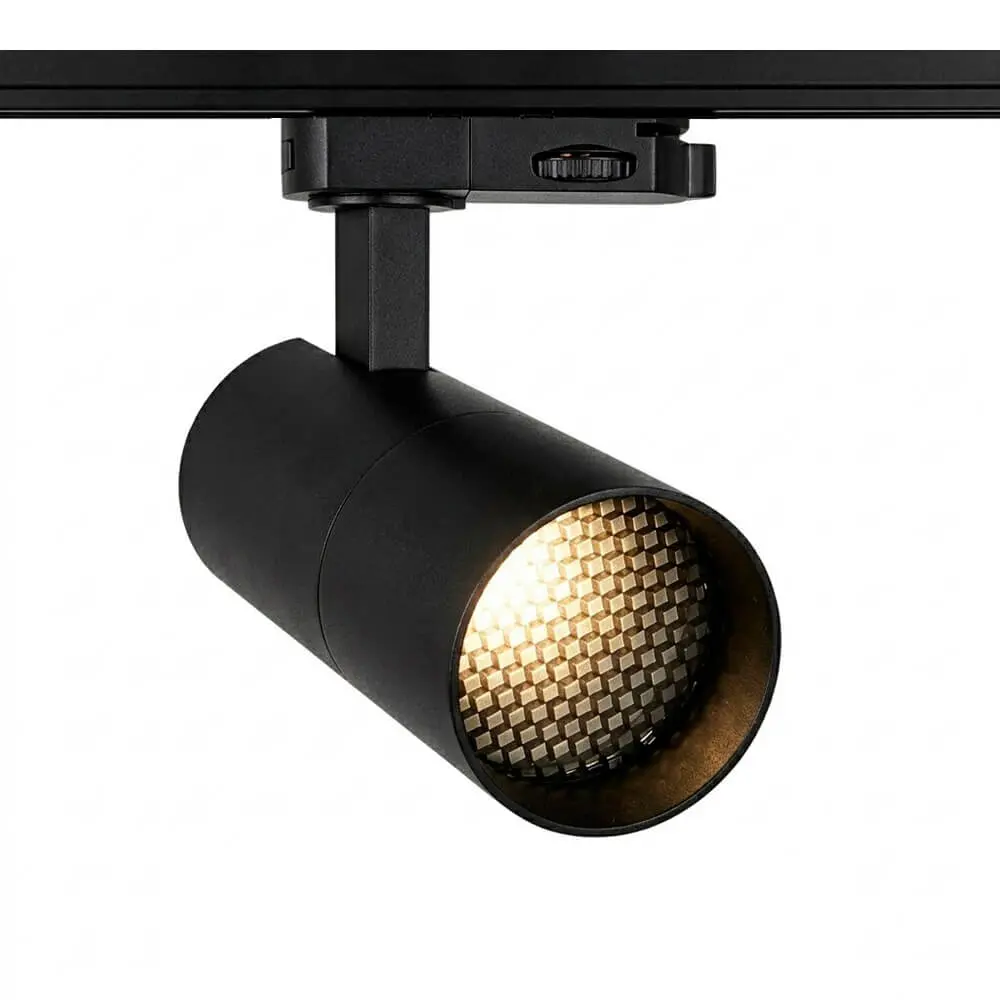
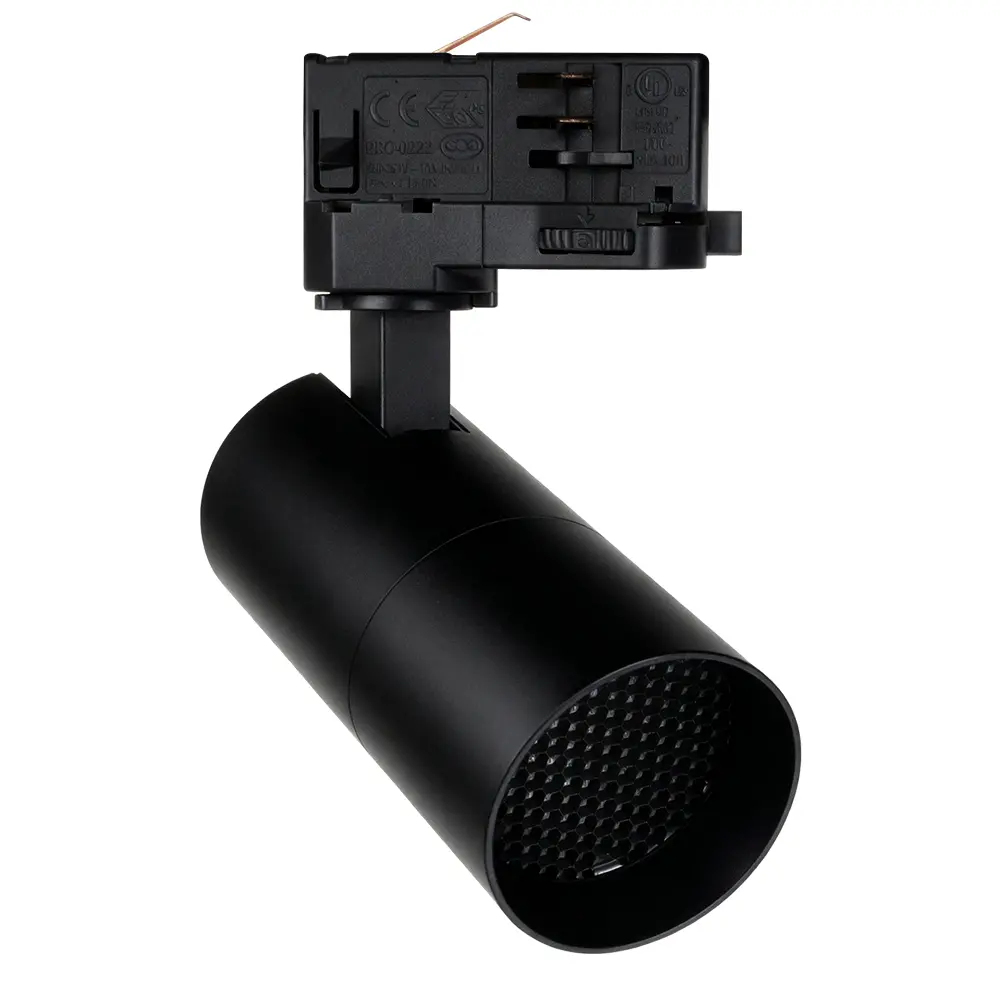
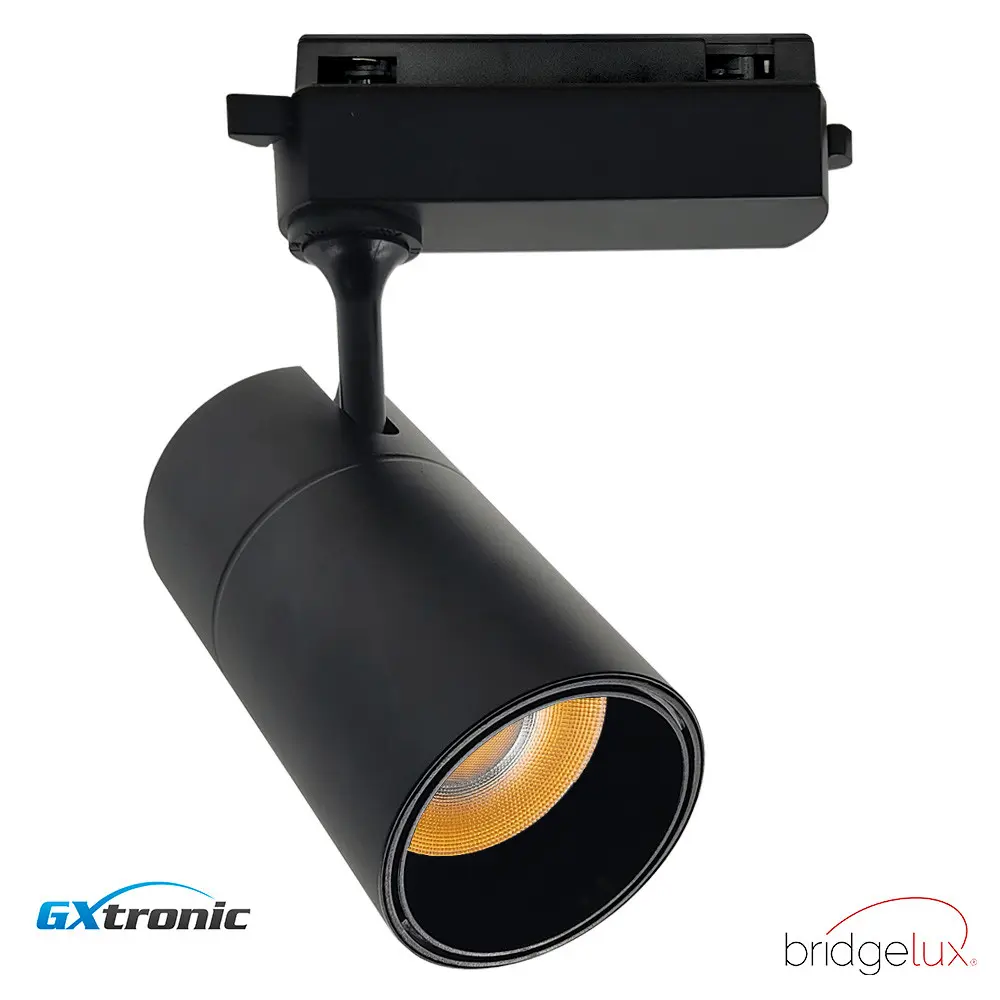
LED Track Light Three-Phase 30W-40W NEW MAYA CRI+92 Bridgelux | No Flicker | Bakery & Butcher Shop | Black
36,95 €
VAT included
Ref: TLBMBT40W-CCT-91606
New
Pack 2 Fit LED Panel 60x60 40W 3CCT | Dimmable DALI/PUSH - TRIAC - 0-10V | Lifud Driver
81,05 €
VAT included
Ref: DIM-90538
New
Pack of 6 LED Panels 120x30cm 40W 4000 lm with Philips CertaDrive | 5 -Year Warranty
135,87 €
VAT included
Ref: PNPHL40W120
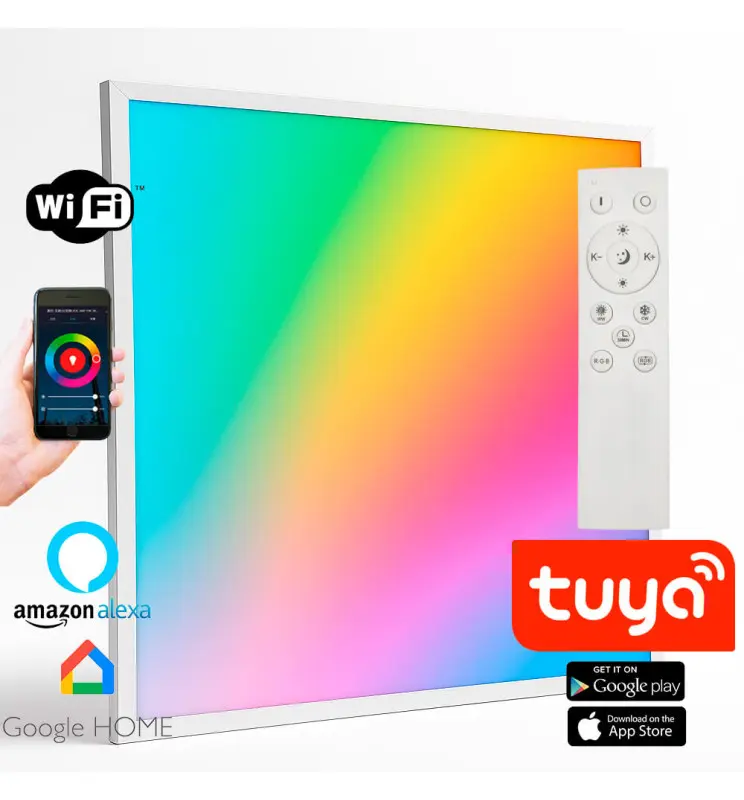
60x60 RGB+CCT LED Panel Pack 40W Smart WiFi 2.4GHz | Compatible with Tuya App, Alexa, Google Home & Remote Control
123,95 €
VAT included
Ref: PN40W-RGB-90783
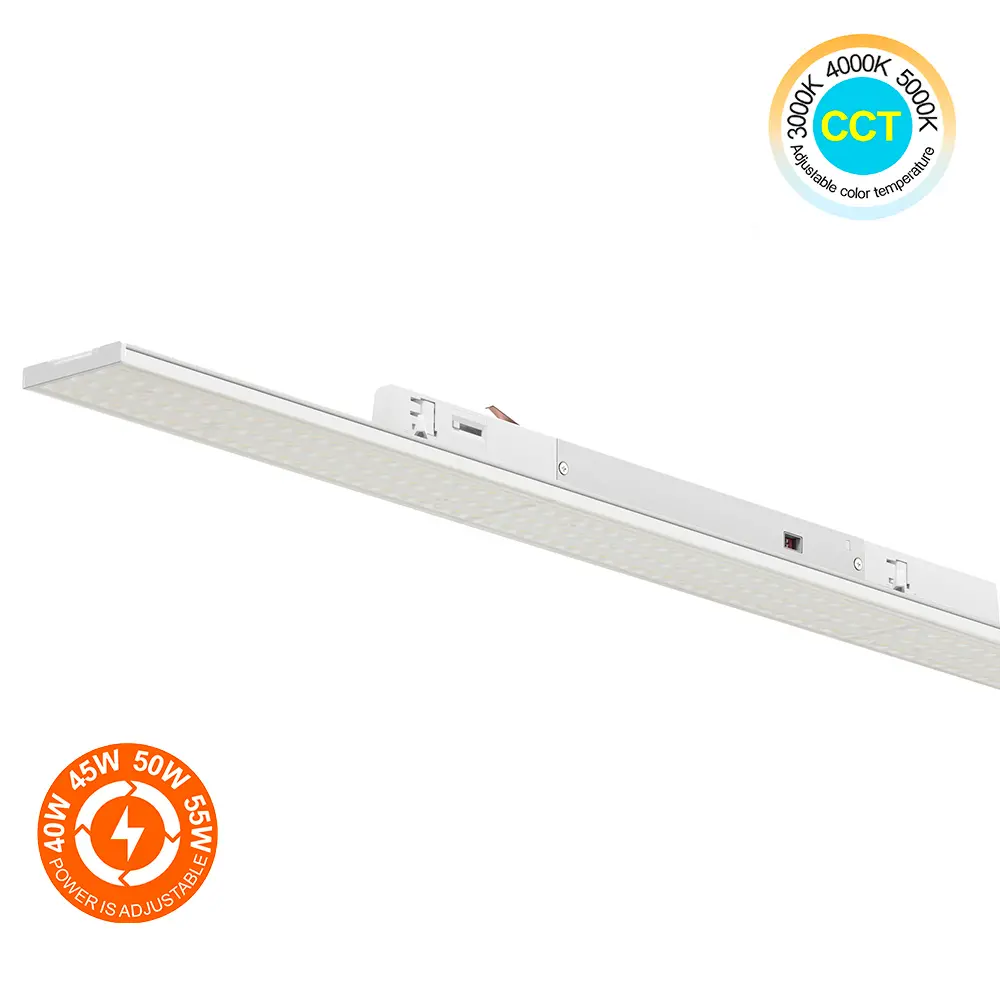
Adjustable Linear LED Projector GX RAY for 3-Phase Track 120cm | 40W-55W | 3CCT | UGR19 | 90° Optic
54,83 €
VAT included
Ref: TLLT55W-CCT-91552
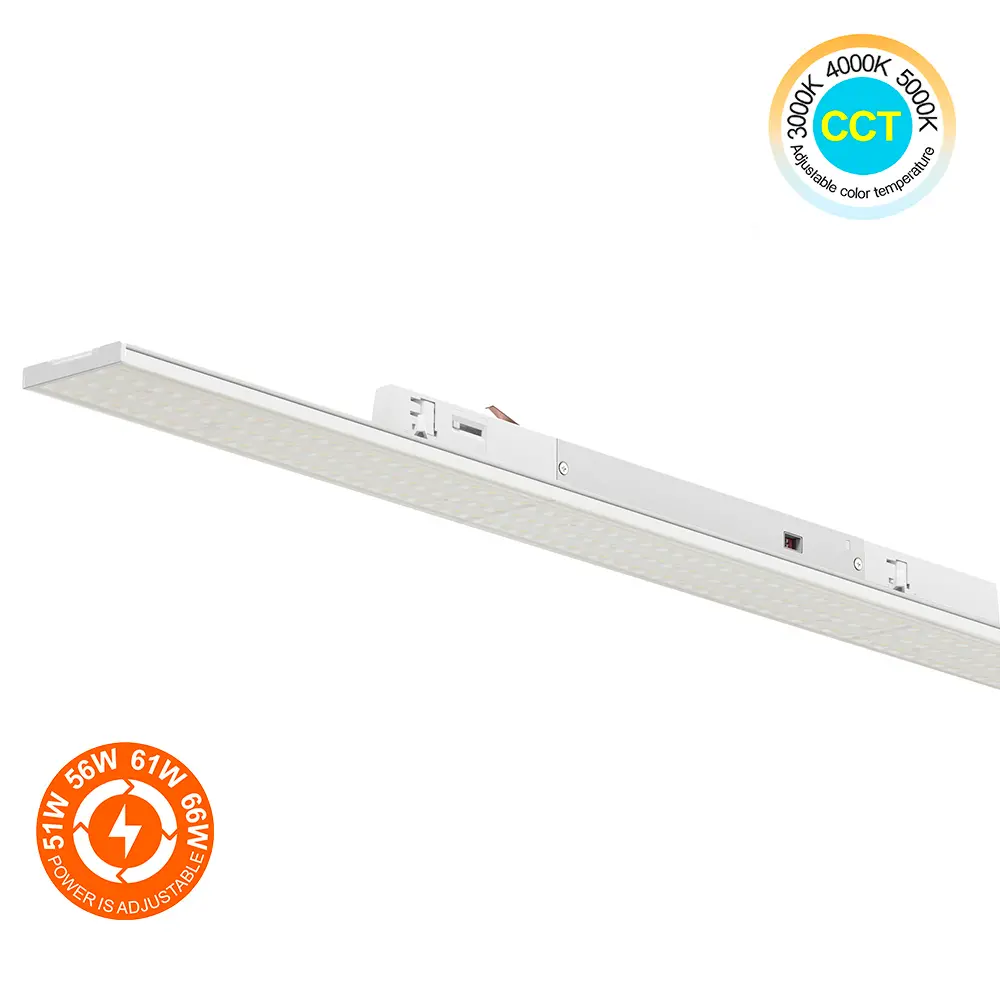
Adjustable Linear LED Projector GX RAY for 3-Phase Track 150cm | 51W-66W | 3CCT | UGR19 | 90° Optic
64,36 €
VAT included
Ref: TLLT66W-CCT-91553
LED Track Spotlight 8W 3-Phase GANDÍA WHITE | SMD1A1A 165Lm/W | UGR13 | 24º
12,83 €
VAT included
Ref: TLW8W
LED Track Spotlight 8W 3-Phase GANDÍA BLACK | SMD1A1A 165Lm/W | UGR13 | 24º
12,83 €
VAT included
Ref: TLB8W
Track Spotlight for GU10 Lamp | GANDÍA 3-Phase White | UGR13
10,13 €
VAT included
Ref: TLWGU10-91500
Track Spotlight for GU10 Lamp | GANDÍA 3-Phase Black | UGR13
10,13 €
VAT included
Ref: TLBGU10-91501
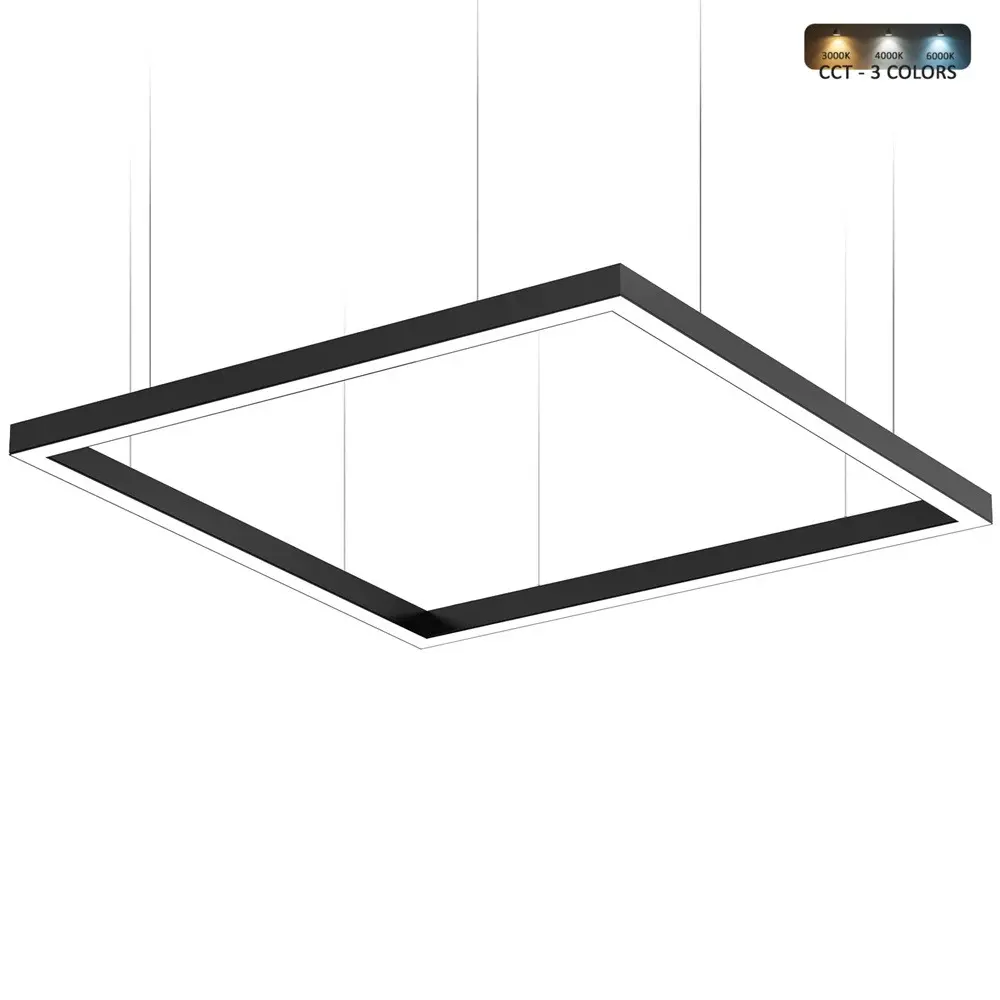
Square LED Pendant Lamp 200W POLARIS | 3CCT | 150x150cm
321,90 €
VAT included
Ref: LN200W-3CCT
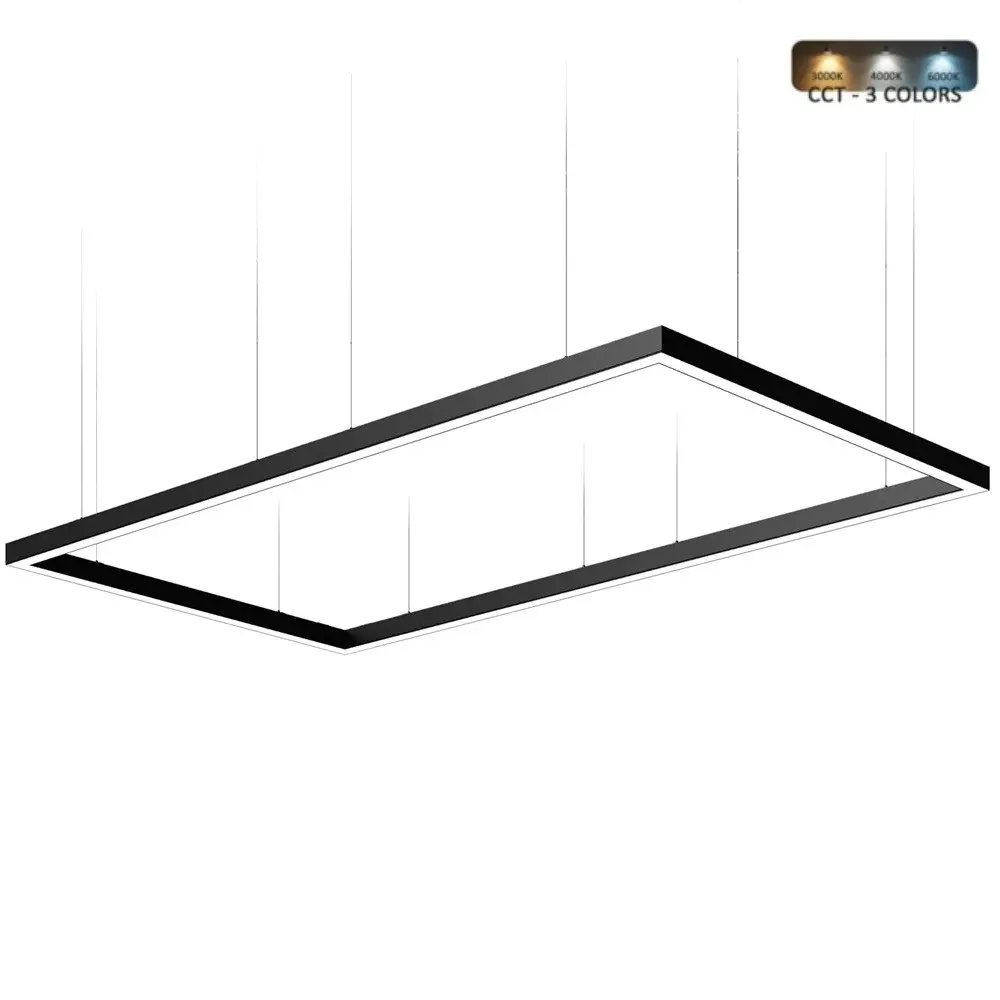
Rectangular LED Pendant Lamp 220W POLARIS | 3CCT | 180x150cm
345,73 €
VAT included
Ref: LN220W-3CCT
Pack LED Panel 60x60 40W 4380Lm UGR19 | Philips Driver 5-year Warranty
39,80 €
VAT included
Ref: NEWPNPHLUGR40W
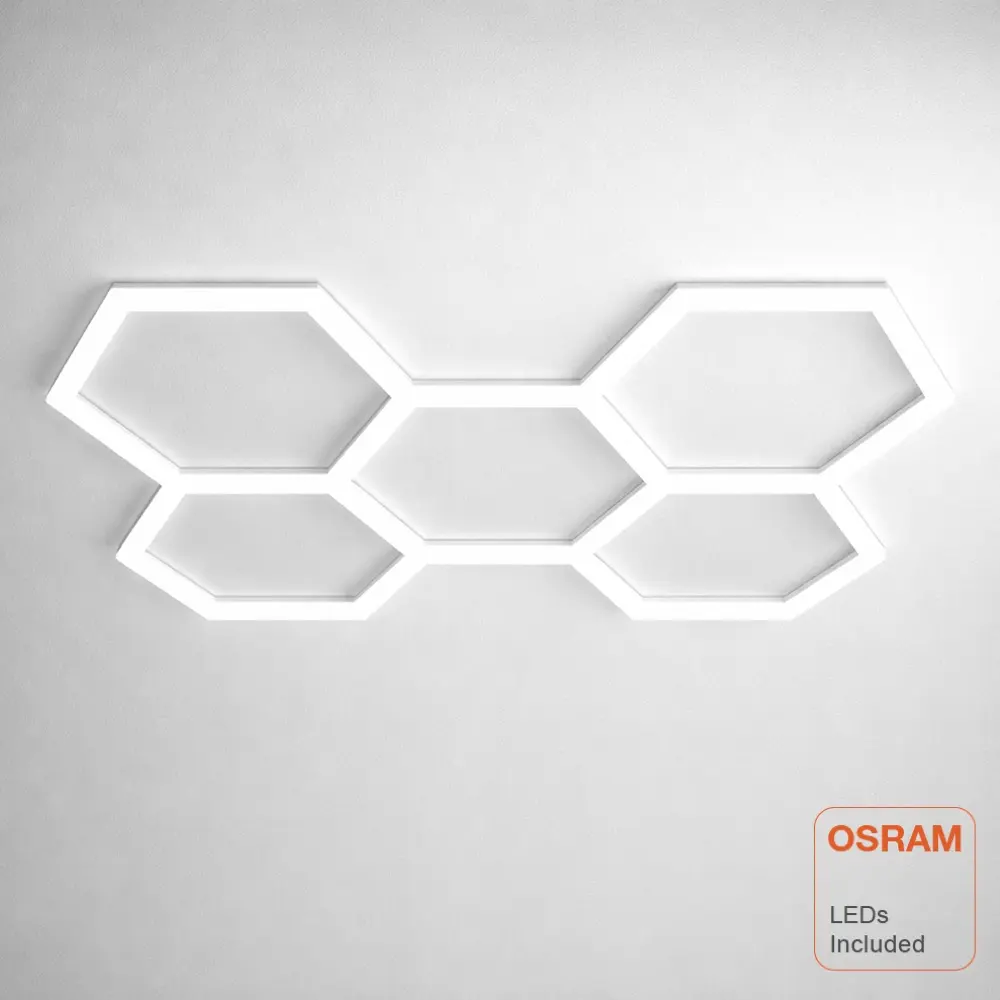
Hexagonal Honeycomb LED Panel Lamp | ARTISTIC SMD2835 OSRAM CHIP | L120CM
550,90 €
VAT included
Ref: HEXOSR5
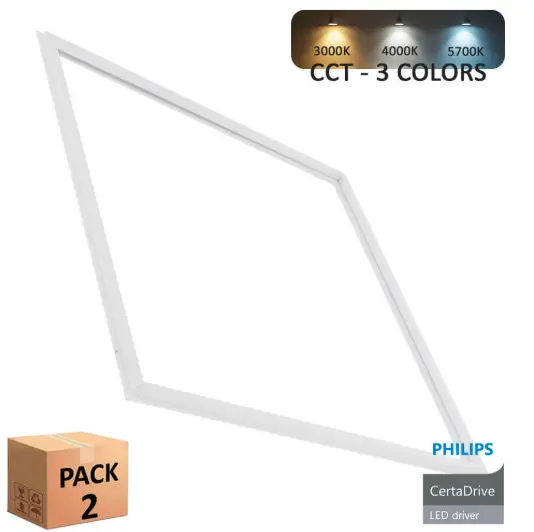
LED Panel Pack Light Frame 60x60 44W 3CCT | FIT PANEL Philips CertaDrive | SMD2835 160Lm/W
69,90 €
VAT included
Ref: FPPHL44W
PACK2 Surface LED Panel 60X30 36W | GXtronic Ultra Slim | SMD4014 3CCT | 5-year Warranty
78,55 €
VAT included
Ref: PNGX36W-CCT
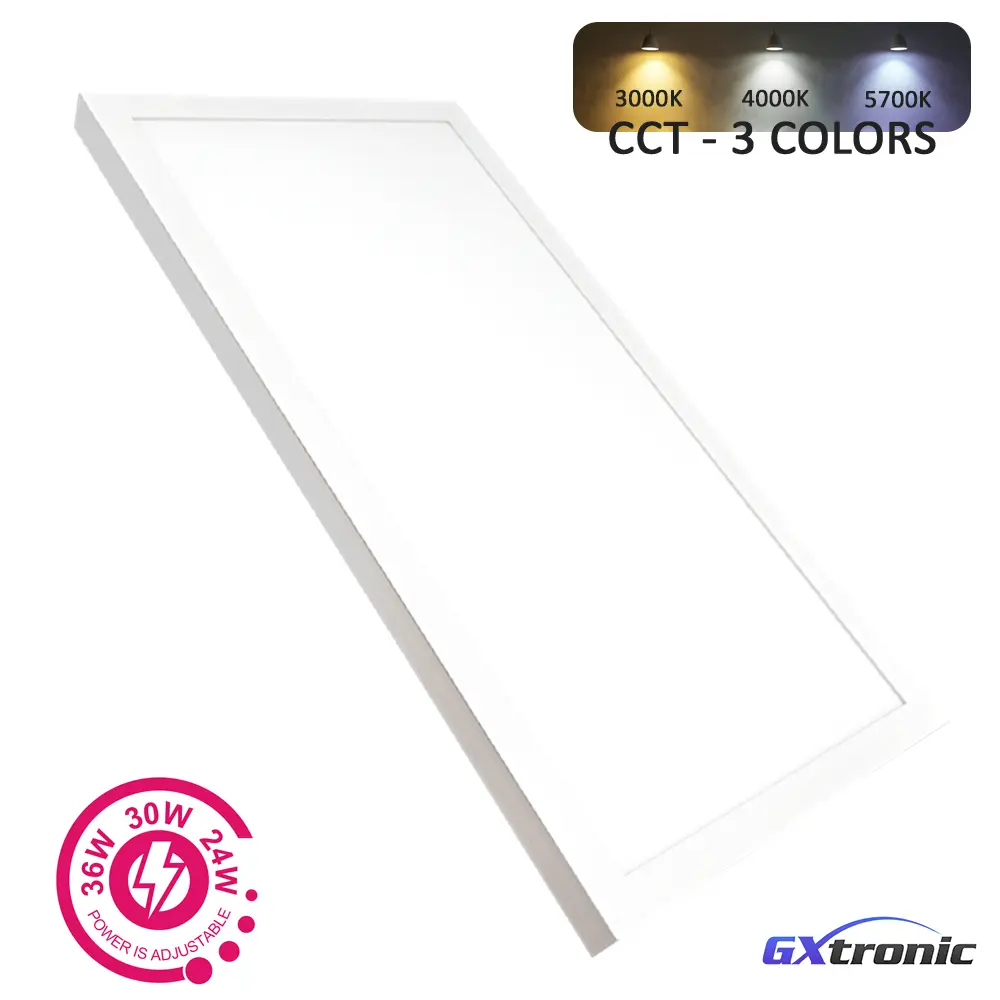
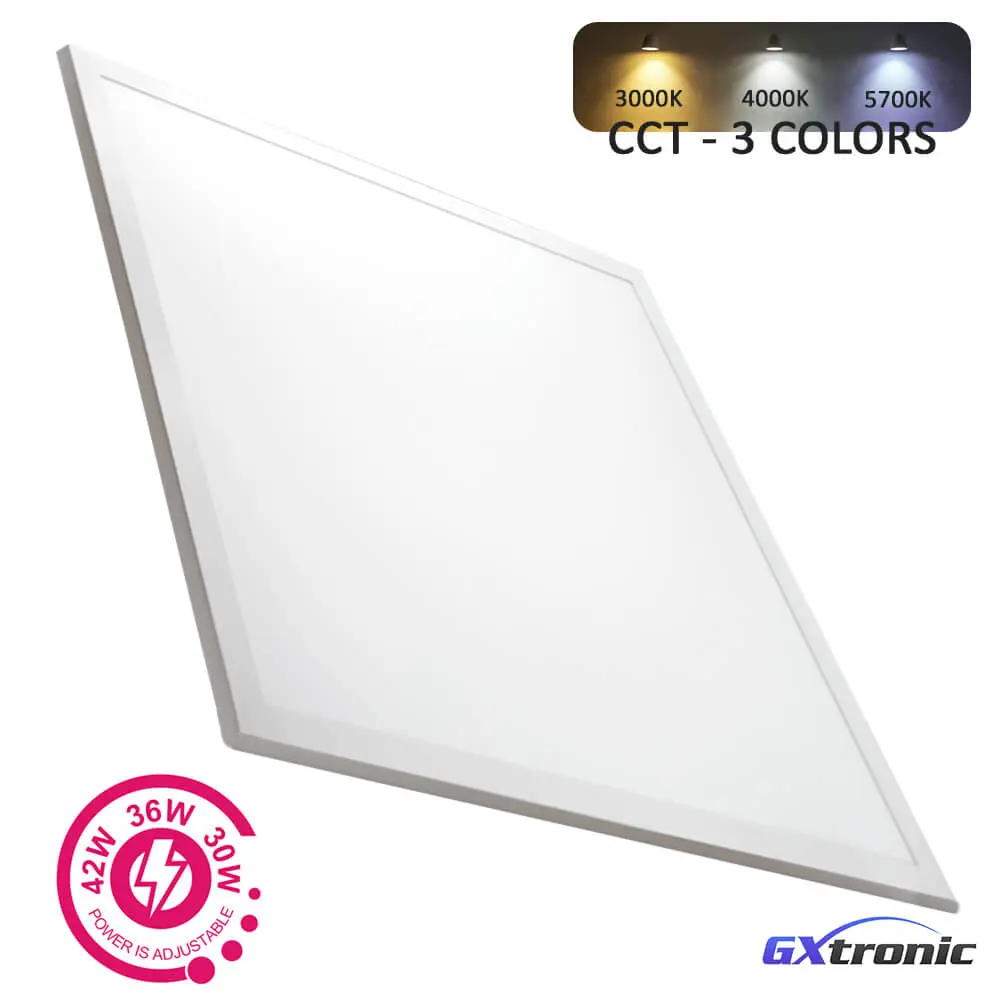
PACK2 Surface LED Panel 60X60 42W | GXtronic Ultra Slim | SMD4014 3CCT | 5-year Warranty
113,61 €
VAT included
Ref: PNGX42W-CCT-91473
LED Track light 30W-40W PARMA White Single-Phase Track | 4CCT | 24º
23,37 €
VAT included
Ref: TLW40W-4CCT-90778
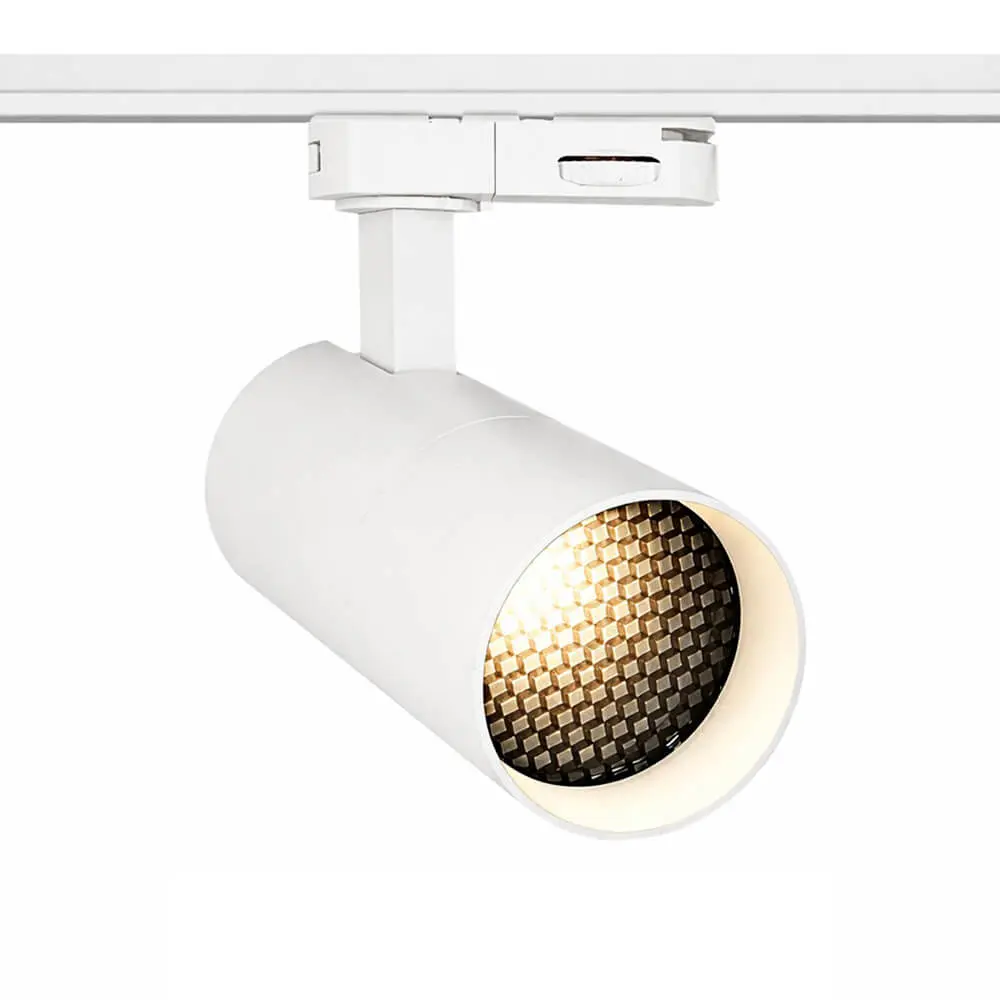
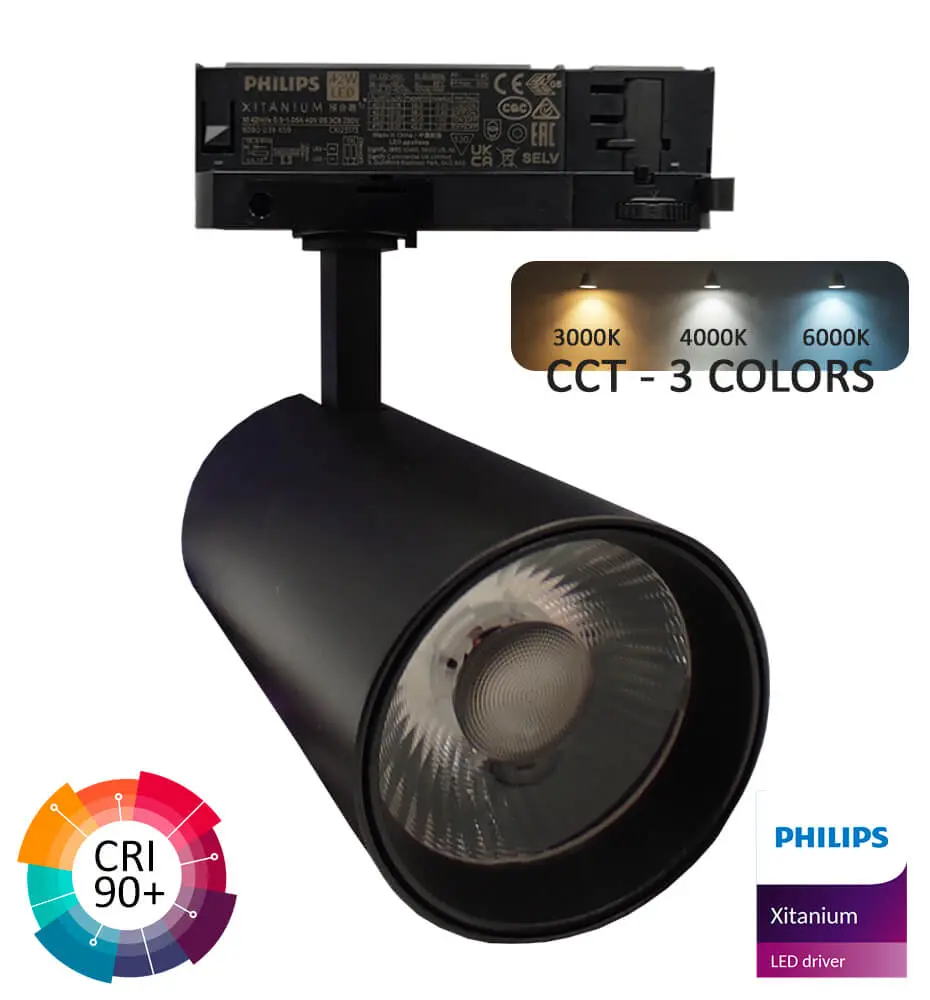
LED Track Spotlight 40W NEW MAYA 3CCT | Philips Xitanium Driver | 3-Phase Track | UGR13 | 24º - 60º | Black
42,91 €
VAT included
Ref: TLB40WPHL-3CCT
LED Track Spotlight 40W NEW MAYA 3CCT | Philips Xitanium Driver | 3-Phase Track | UGR13 | 24º - 60º | White
42,91 €
VAT included
Ref: TLW40WPHL-3CCT-90847
Linear LED Pendant Lamp | NEXUS LINE | Osram Driver ON/OFF - DALI - 0-10V - TRIAC | Black
153,98 €
VAT included
Ref: LNOSR-BK
Linear LED Pendant Lamp | NEXUS LINE | Osram Driver ON/OFF - DALI - 0-10V - TRIAC | White
153,98 €
VAT included
Ref: LNOSR-WH
Linear LED Pendant Lamp | NEXUS LINE | Osram Driver ON/OFF - DALI - 0-10V - TRIAC | Anodized
153,98 €
VAT included
Ref: LNOSR-AD
Linear LED Pendant Lamp 40W | POLARIS | Linear Interconnection | 3CCT | 120cm
68,50 €
VAT included
Ref: LN40W-3CCT-92087
PACK10 LED Panel 60x60 50W | SMD3030 TOYODA GOSEI | HIGH LUMEN 145Lm/W | UGR19 | 7-year Warranty
210,90 €
VAT included
Ref: PNUGR50W
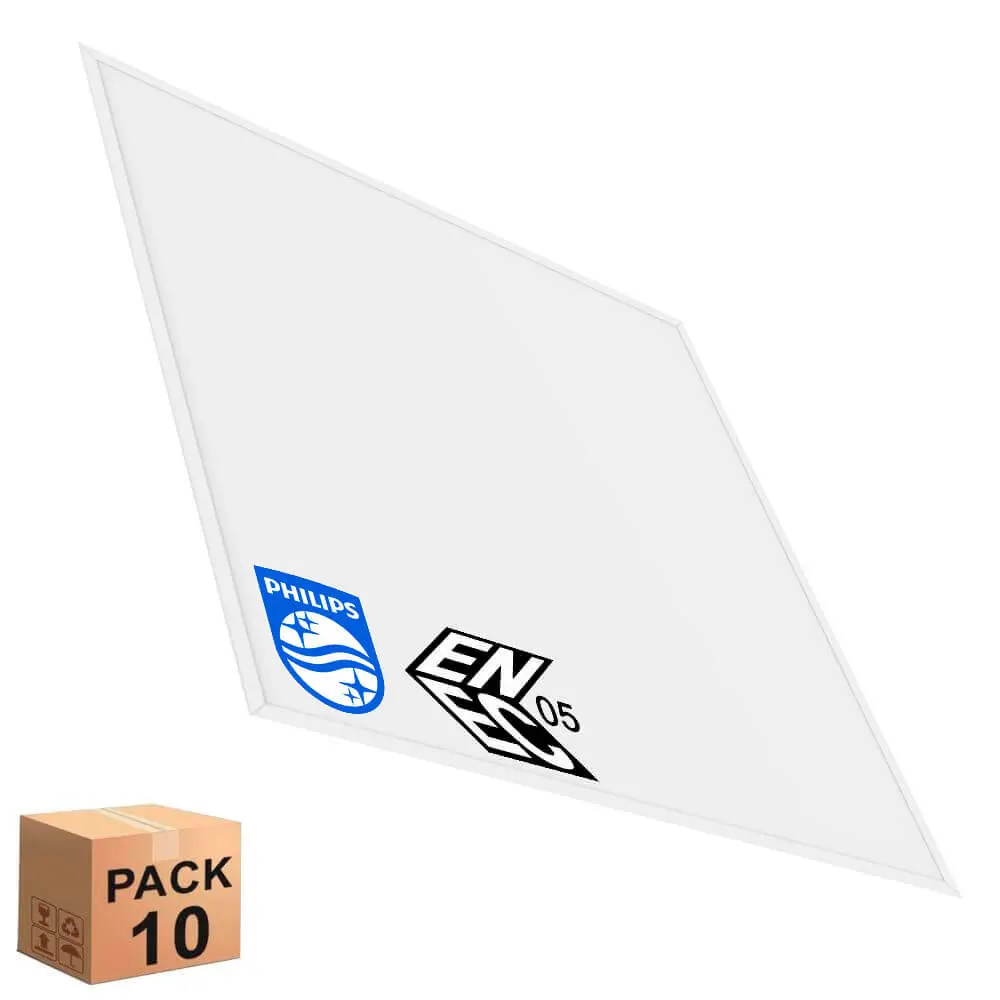
Pack of 10 LED Panels 60x60 40W Dimmable DALI/PUSH, TRIAC and 0-10V | Lifud Driver
275,55 €
VAT included
Ref: DIM-PNLIF40W
Linear LED Pendant & Surface Lamp 20W | POLARIS | Linear Interconnection | 3CCT | 60cm
49,90 €
VAT included
Ref: LN20W-3CCT-91431
Linear LED Pendant & Surface Lamp 20W | POLARIS WHITE | Linear Interconnection | 3CCT | 60cm
46,49 €
VAT included
Ref: LN20W-WH-91418
Linear LED Pendant & Surface Lamp 50W | POLARIS WHITE | Linear Interconnection | 3CCT | 150cm
69,90 €
VAT included
Ref: LN50W-WH-91417
Linear LED Pendant & Surface Lamp 40W | POLARIS WHITE | Linear Interconnection | 3CCT | 120cm
68,50 €
VAT included
Ref: LN40W-WH-91416
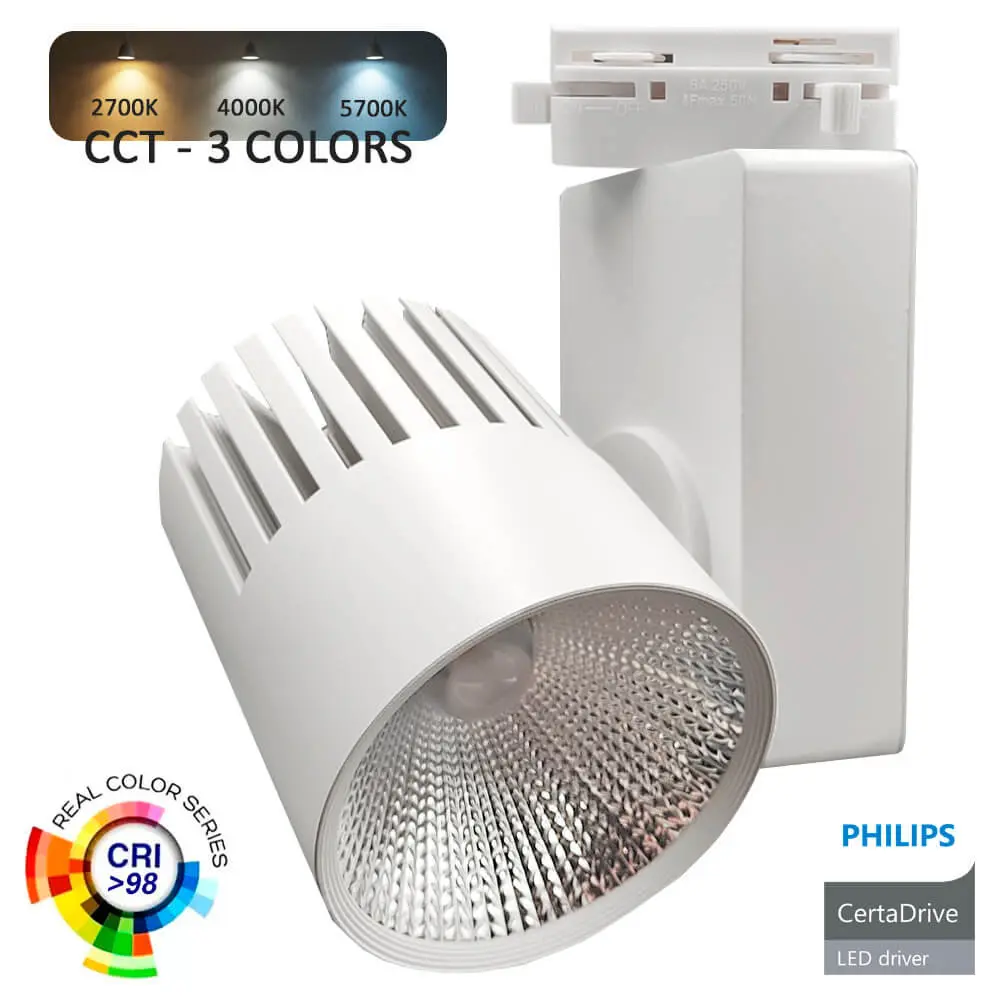
LED Track Spotlight 40W UPPSALA White - Philips Certa Drive - 3CCT - 3-Phase Track - CRI+98 - 5-year Warranty
40,28 €
VAT included
Ref: TLTPHL40W-CCT-90360
LED Track Spotlight 30W PARIS Black Single-Phase Track | Bridgelux Chip | UGR11 | 24º
13,90 €
VAT included
Ref: TLBM30W
LED Track Spotlight 30W PARIS White Single-Phase Track | Bridgelux Chip | UGR11 | 24º
13,90 €
VAT included
Ref: TLWM30W
PACK 10 LED Panel 60x60 4000Lm | NEW SLIM FRAME | Philips Driver 40W | 5-year Warranty
149,89 €
VAT included
Ref: NEWPNPHL40W
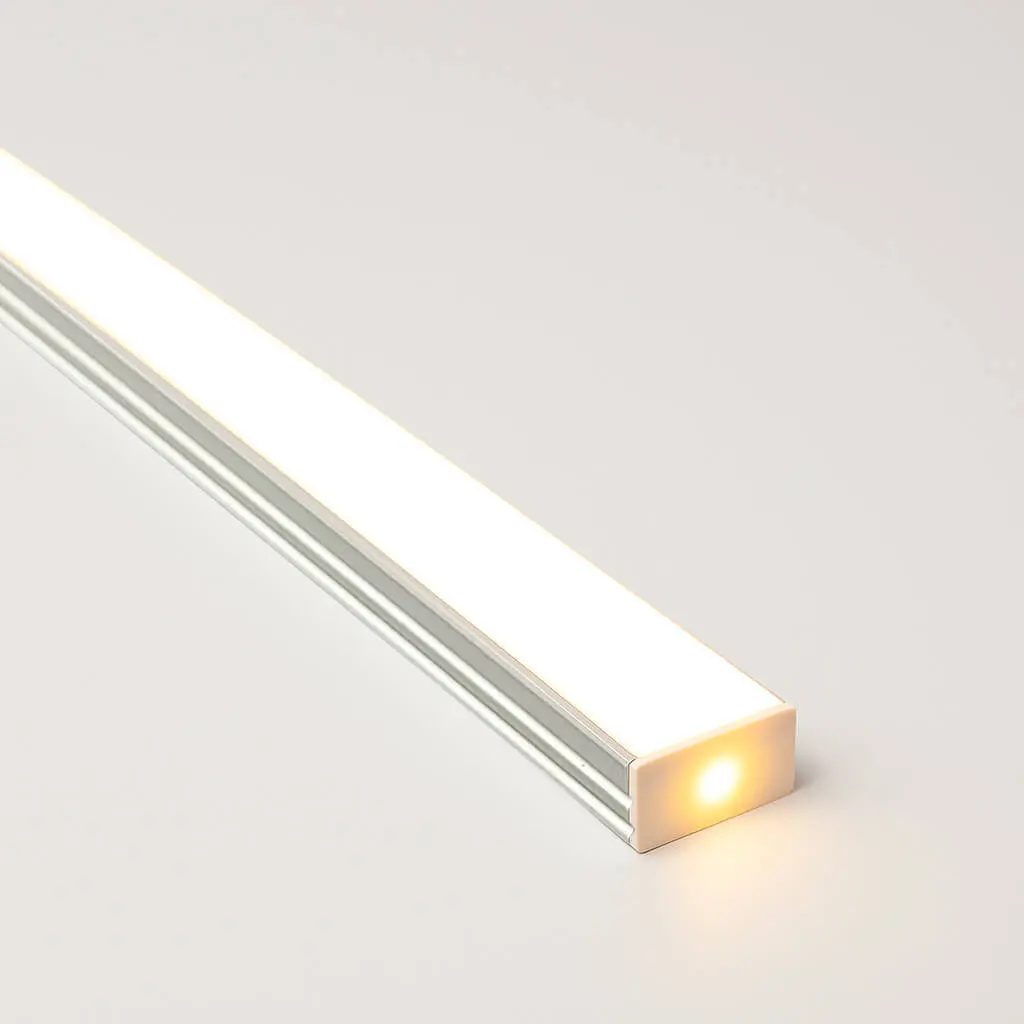
Linear LED Luminaire | EASY CONNECT | 2 Meters | 26W 12V | Professional Custom Solution
39,91 €
VAT included
Ref: EC26W
LED Spotlight 40W GRAZ Black BRIDGELUX Chip 3-Phase Track CRI+92 - 3CCT
34,87 €
VAT included
Ref: TRTB40W-CCT-92082
LED Spotlight 40W GRAZ Black BRIDGELUX Chip Single-Phase Track CRI +98 - CCT
33,03 €
VAT included
Ref: TRB40W-3CCT-92017
LED Spotlight 40W GRAZ White Bridgelux Chip 3CCT - 3-Phase Track - 4400Lm - CRI +98
35,90 €
VAT included
Ref: TRTW40W-CCT-92079
LED Track Spotlight 10W Single-Phase - EMMEN BLACK - OSRAM CHIP DURIS E 2835
5,90 €
VAT included
Ref: TKMB10W
LED Track Spotlight 10W Single-Phase - EMMEN WHITE - OSRAM CHIP DURIS E 2835
5,90 €
VAT included
Ref: TKMW10W
Pack LED Panel 60x60 40W SLIM FRAME Premium UGR19 | Philips Driver | Aluminum 5-year Warranty
44,90 €
VAT included
Ref: PNPHL40WUGR19
Surface Mount Kit for LED Panel 60x60 - H65mm
10,37 €
VAT included
Ref: KIT8001
Surface Mount Kit for LED Panel 120x30 - H65mm
16,56 €
VAT included
Ref: KIT8003
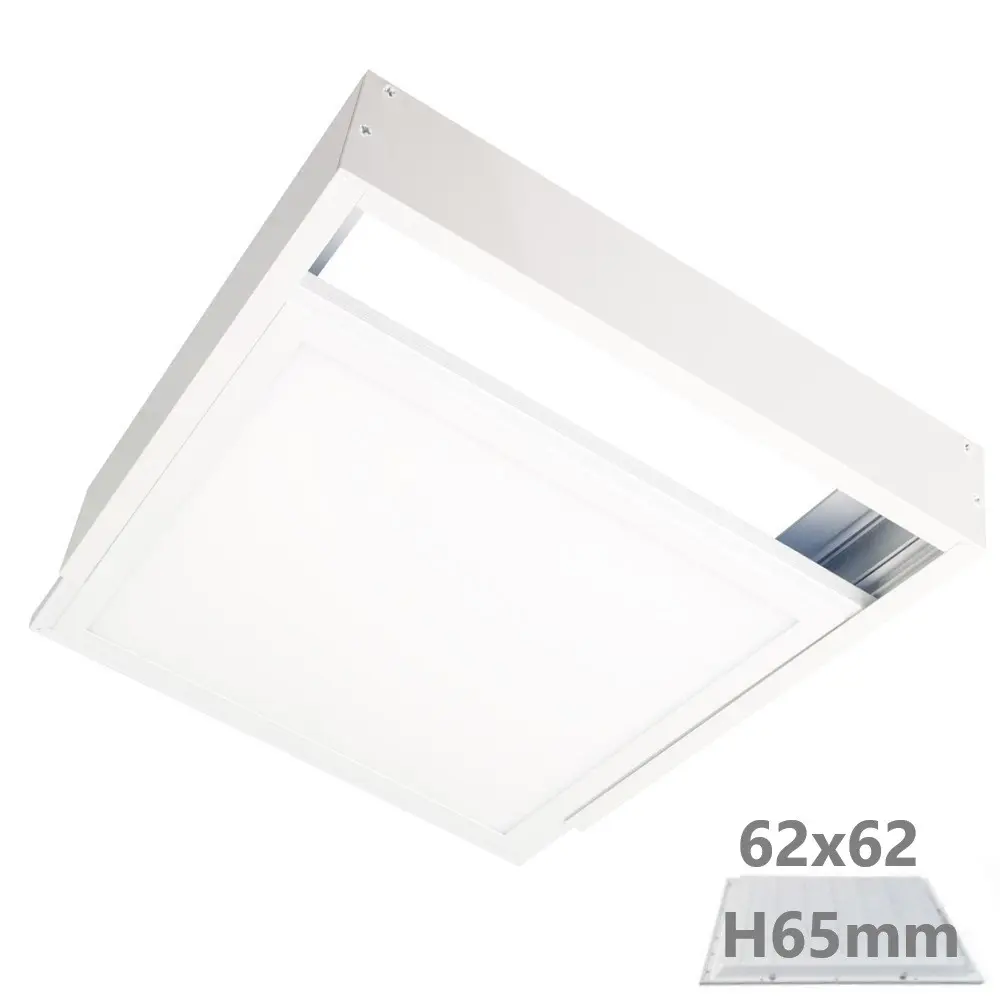
Surface Mount Kit for LED Panel 62x62 - H65mm
11,20 €
VAT included
Ref: KIT8002
LED Track Spotlight 40W UPPSALA White - Philips Certa Drive - 3CCT - Single-Phase Track - CRI+98 - 5-year Warranty
39,91 €
VAT included
Ref: TLMPHL40W-CCT-90358
LED Track Spotlight 40W GRAZ White Bridgelux Chip 3CCT - Single-Phase Track - 4400Lm - CRI +98
29,08 €
VAT included
Ref: TRW40W-3CCT-92014
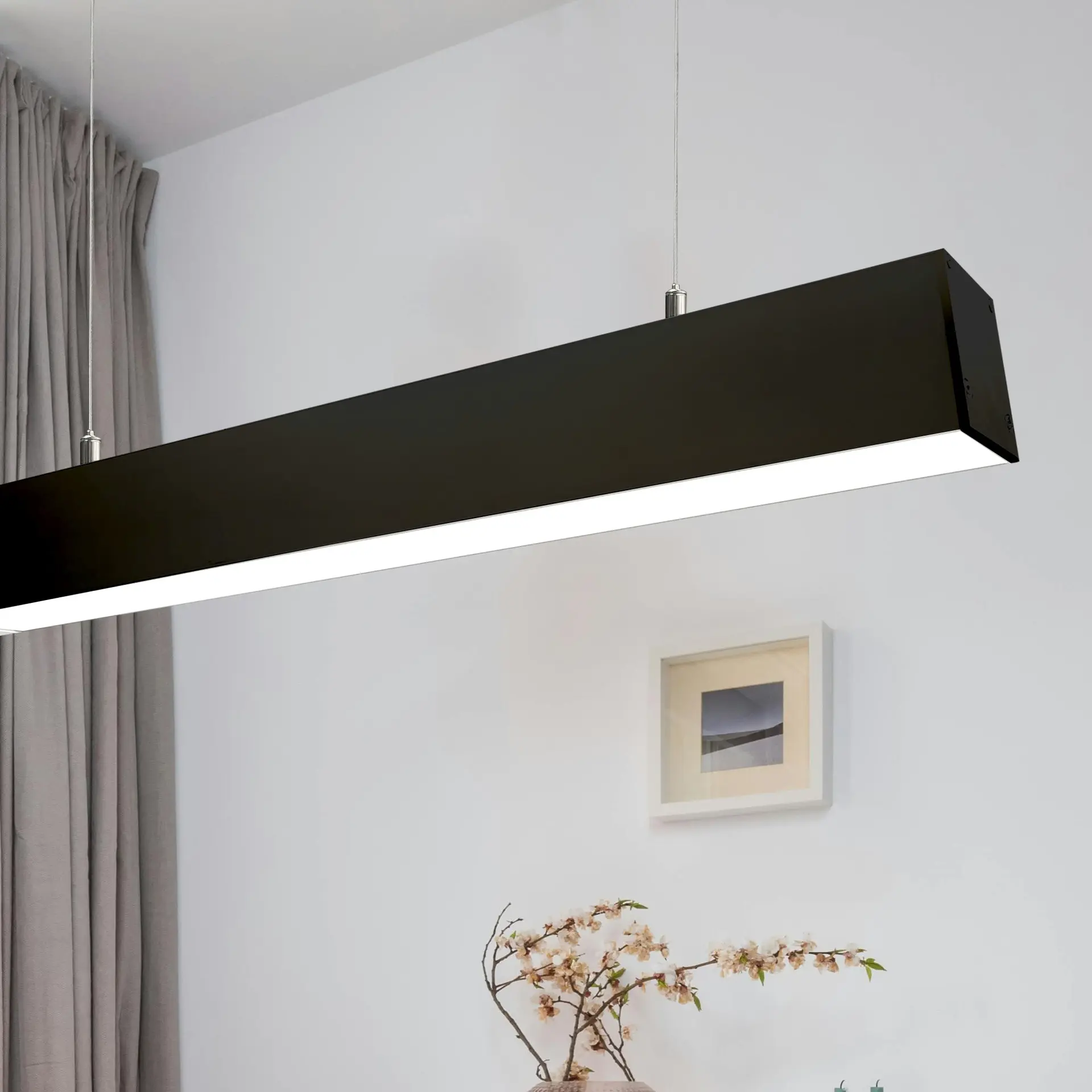
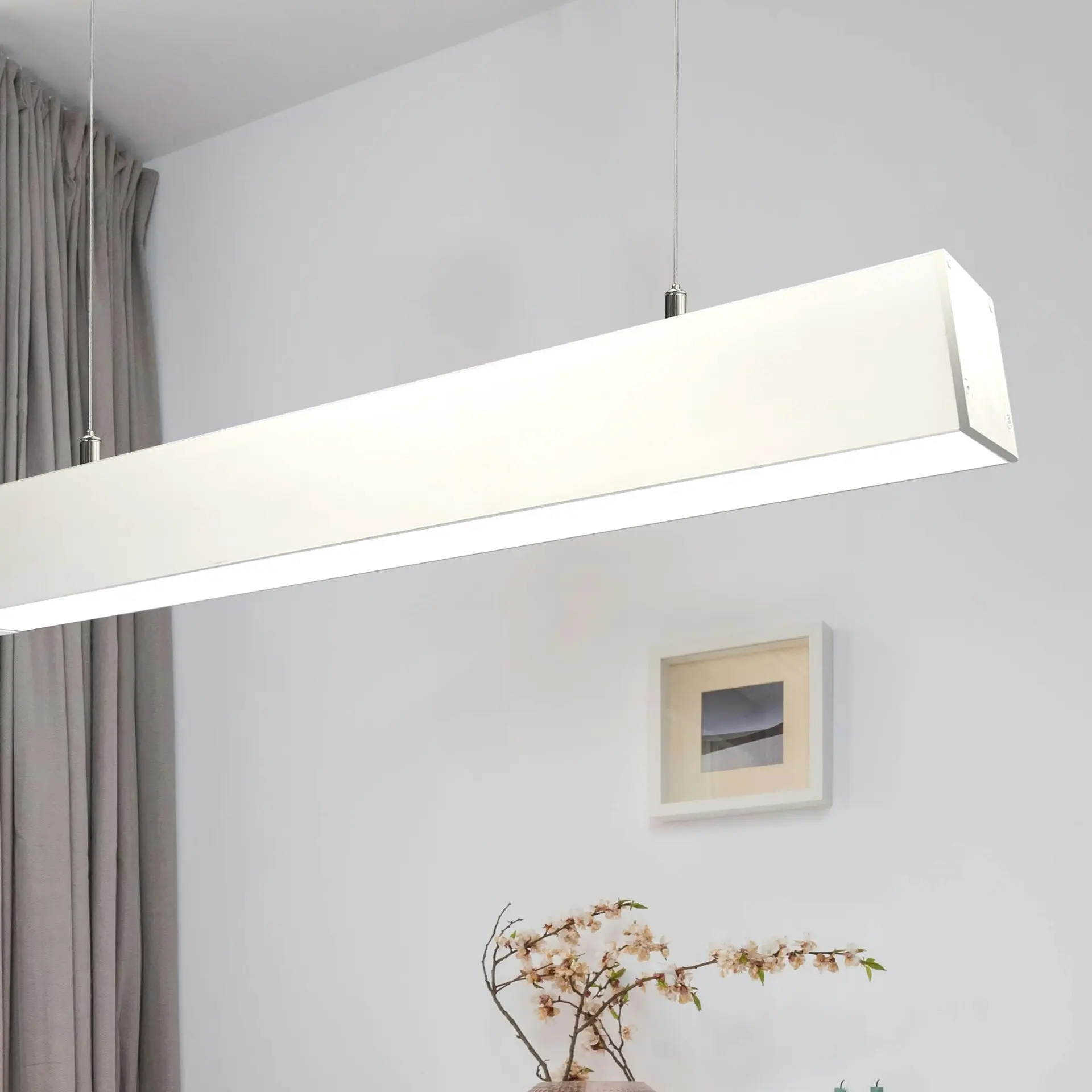
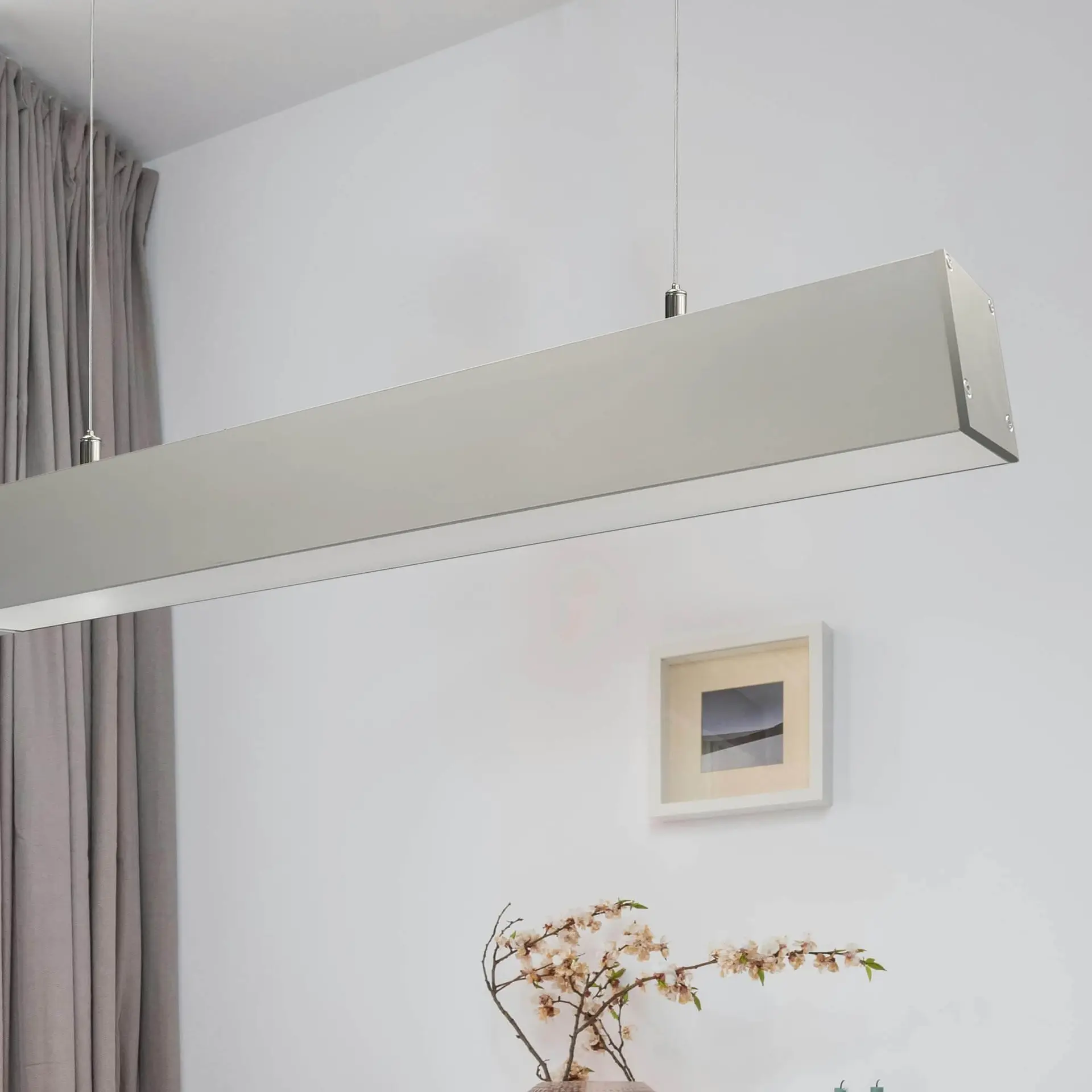
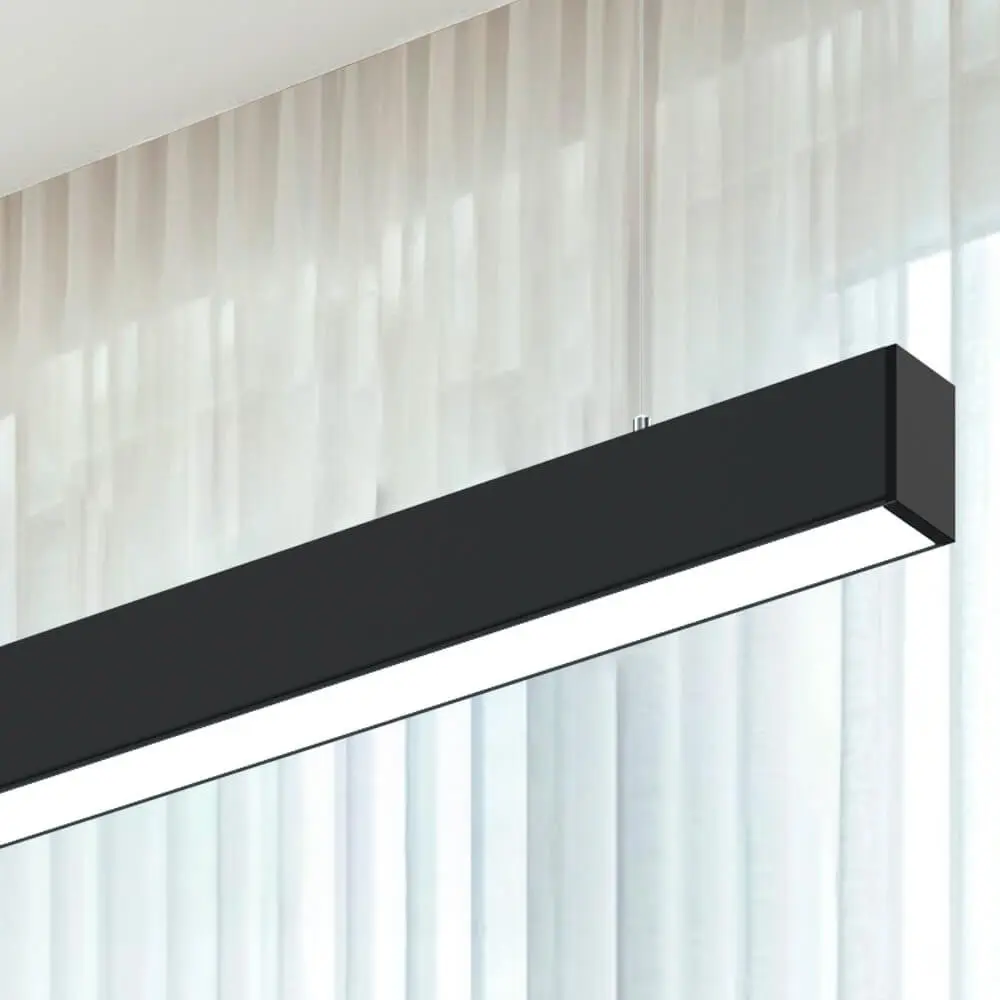
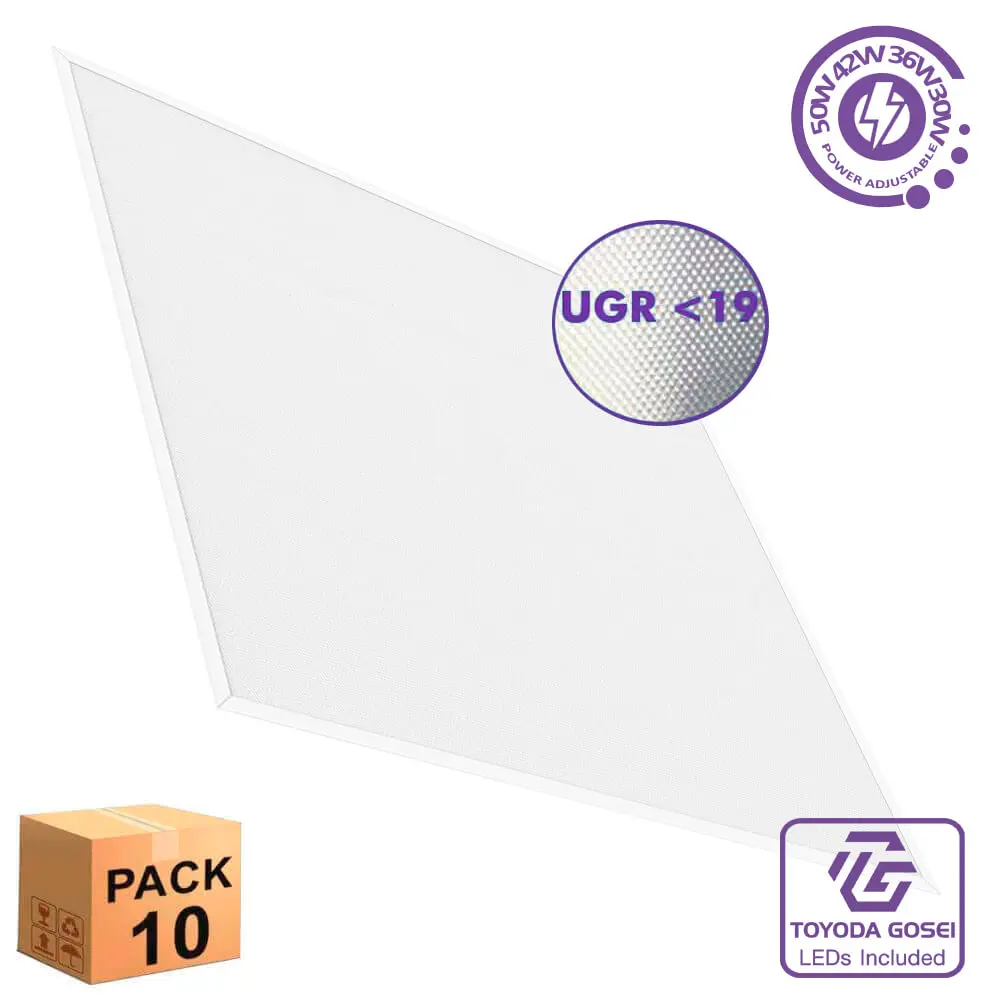
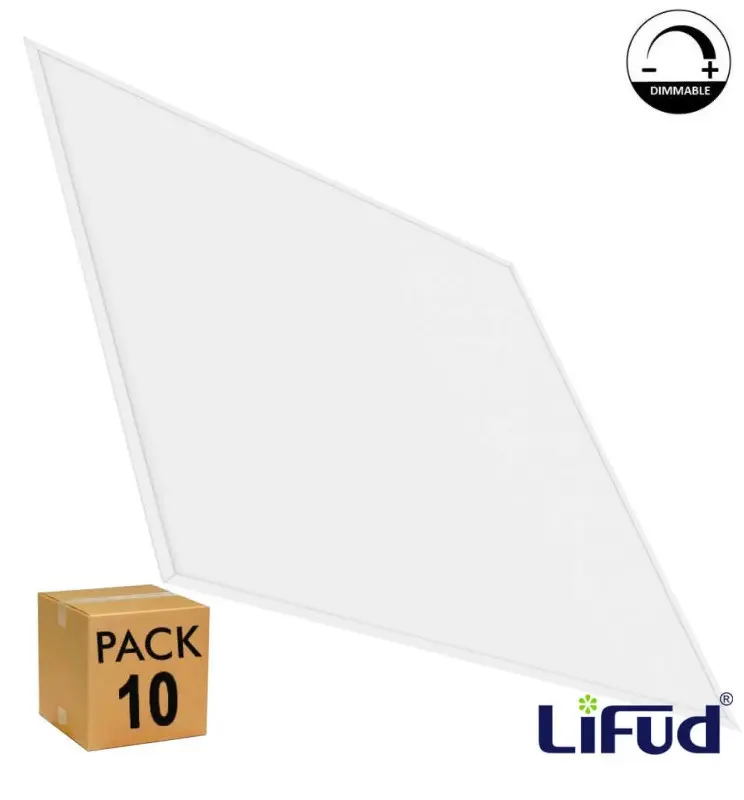
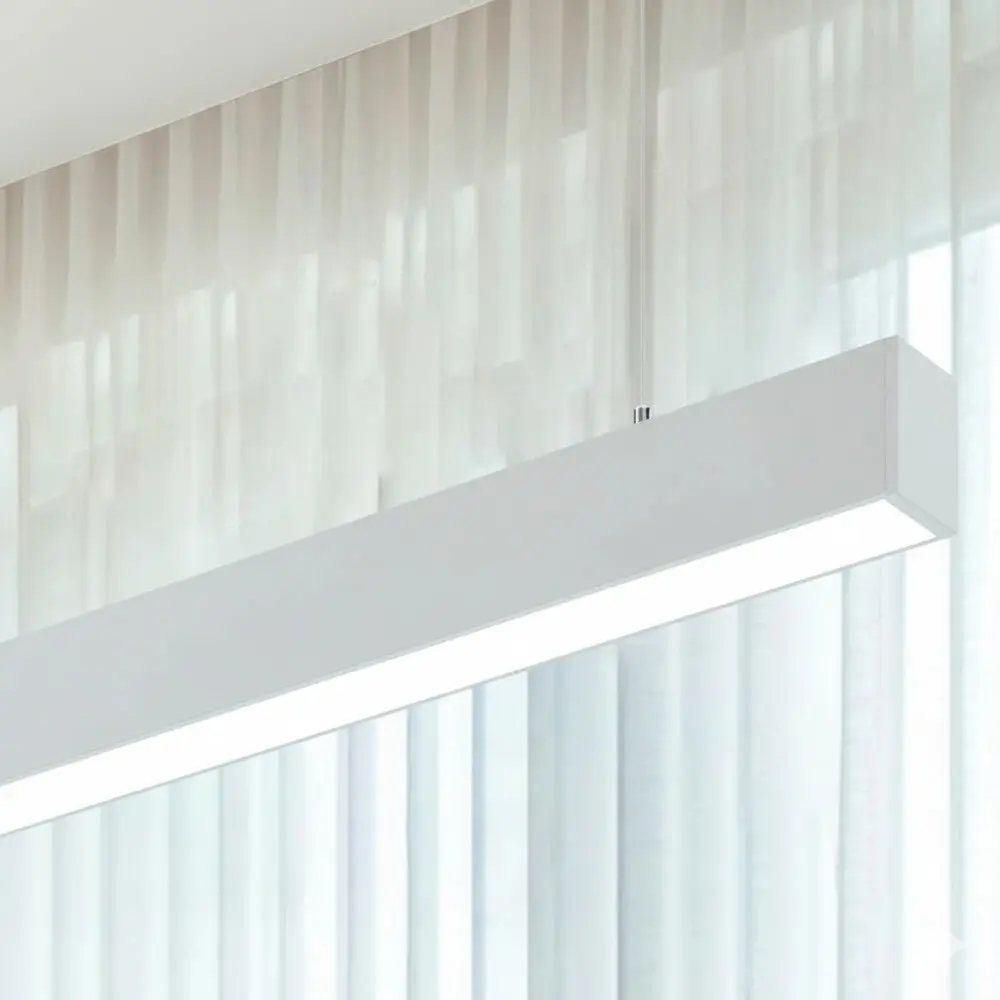
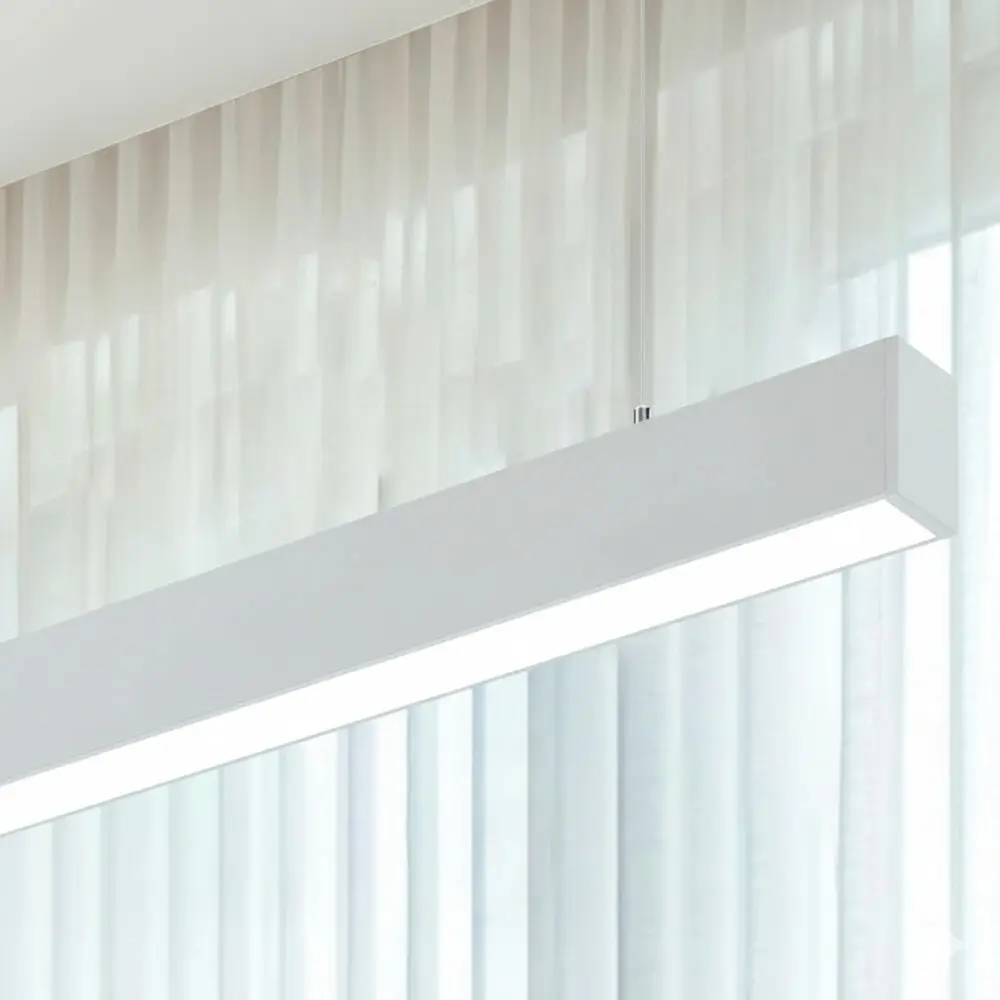
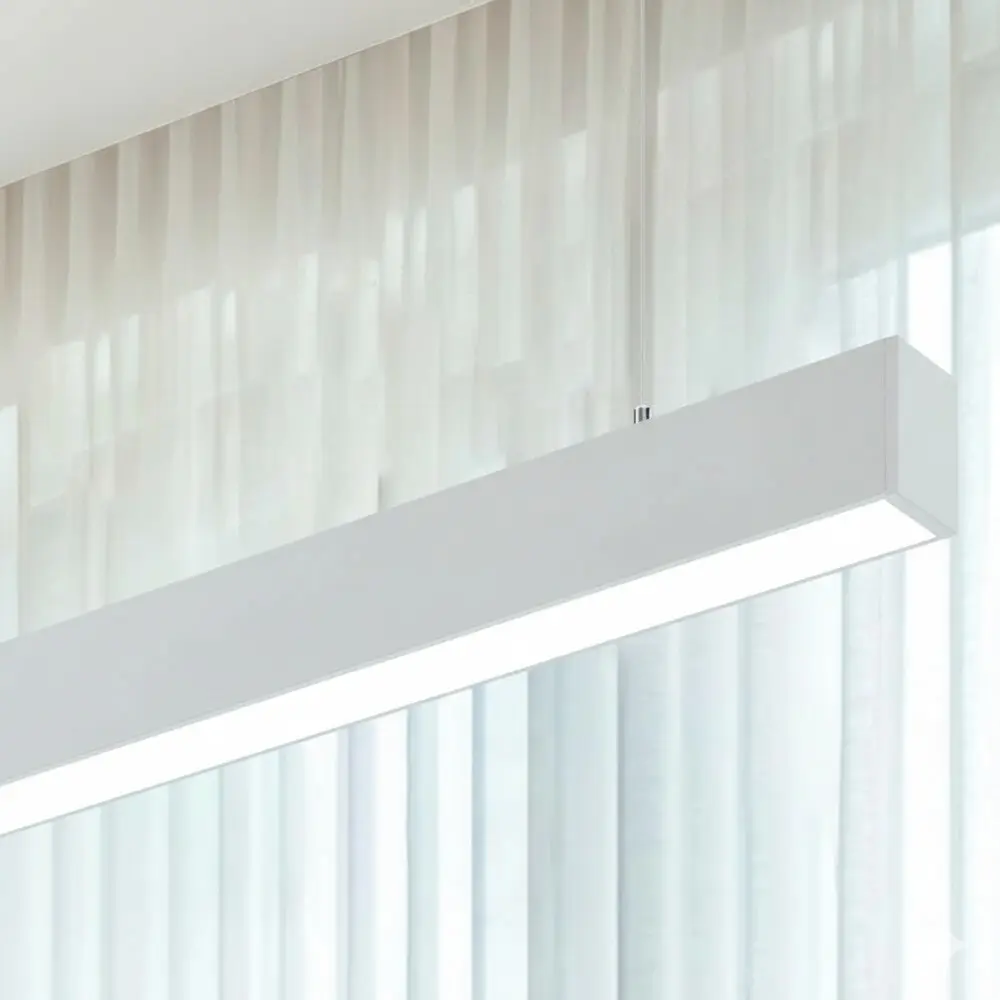
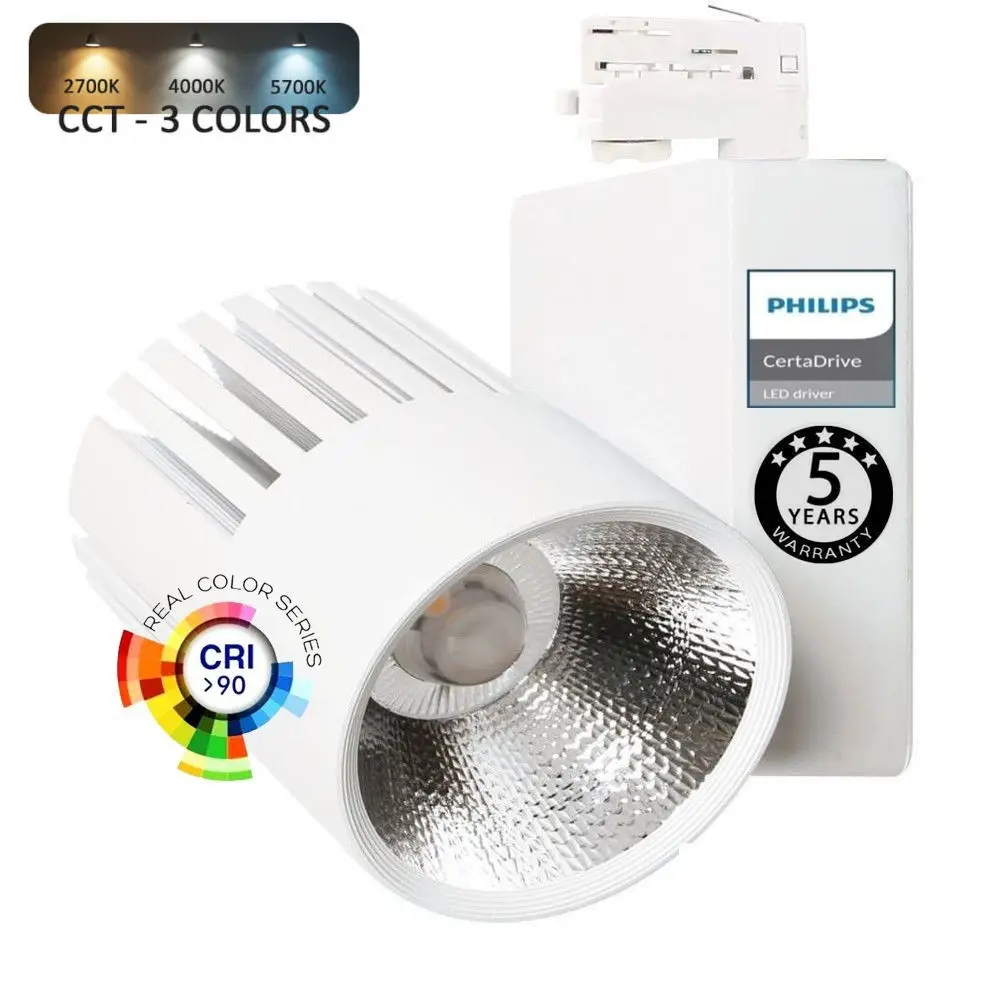
Office ceiling light for private offices
A closed private office cannot be lit like an open-plan floor. In twenty square metres with a desk, two visitor chairs and a bookcase, the ceiling fitting does all the work: there is no grid to spread the light and no glazed façade to make up for it. If that single point is badly chosen, the room ends up dark in the corners or dazzles whoever sits opposite.
We write for the people who buy the material: installers, refurbishment contractors, architecture practices and facilities managers of buildings with many identical offices. We work with a trade account, volume-based discounts and a personalised catalogue, and our technician prepares the DIALux lighting calculation before you order. The full range is in Indoor Lighting and you can request your account through our Contact page.
Ceiling lights for offices and private offices: what a closed room needs
Choosing a ceiling light here does not start with looks: it starts with how many lighting points the room can take and at what height they sit. A standard private office has a ceiling between two and a half and three metres, and that shapes everything else.
With low ceilings, anything that hangs down enters the field of vision of the person sitting at the desk and becomes a nuisance. The answer there is a surface-mounted or recessed fitting that sits flush. With more clear height, suspension becomes an option, letting you bring the light source down to the level you need and work with indirect light bounced off the ceiling.
The second factor is distribution. A single ceiling light in the centre of the room covers the desk but leaves the bookcase and filing area in shadow. When the office has two distinct work areas, the answer is not more wattage but several lights, each one over its own zone. The recommended layouts for a room of that size come from the calculation, not from the catalogue.
The fitting that works best in a closed administrative room is one with a wide beam: fill the space without drawing a cone of light, the same principle as on an open-plan floor. Office ceiling lights of this kind are the ones we are asked for in large quantities when a building has fifteen or twenty identical rooms. It is the open-plan logic, simply applied room by room.
How much general light the workspace needs
Sizing the ceiling light for a private office is where buyers who go by wattage get it most wrong. The design figure is lux on the desk, and the practical reference is lumens per square metre of floor area, not installed watts.
An administrative office needs even general lighting, enough to read paper without switching anything else on. That adequate light is what lets people work the whole day without strain; when it falls short, the occupant pulls the desk lamp closer and ends up with a harsh contrast between the desk and the rest of the room.
The second figure is the glare the user perceives. In a small room the fitting is close to the head and easily enters the field of view, which is why the UGR on the datasheet matters just as much as in an open-plan office. Uniform lighting with an opal diffuser reduces eye strain measurably, and that improves concentration for anyone who spends six hours straight in front of a screen.
An office with good lighting and no flicker shows its value above all late in the afternoon. That is the argument that really counts when a company is paying: work performance does not depend on the light, but a poor installation certainly spoils it. Working in good conditions on the work surface is what is being bought, and lighting a small workstation properly costs the same as lighting it badly.
The natural light coming through the window changes the calculation throughout the day, which is why it pays to allow for controls even if they are not installed from the outset. Even light that can be dimmed mid-morning performs better than a fixed level designed for the worst moment.
There is one nuance that sets the private office apart from the rest of the floor. In an open-plan office, the level is designed for uniform use and everyone shares the same light. In a closed room, by contrast, the same person always uses it, and preferences matter: someone working with paper wants more light than someone who spends the day on screen. Lighting a private office properly means leaving headroom for those preferences, not hitting a textbook figure.
LED ceiling lighting for private offices: recessed, surface-mounted or suspended
All three approaches can light the same office, and the choice depends on the ceiling you have, not on the catalogue.
A recessed fitting needs a suspended ceiling and a cut-out. It is the cleanest option and keeps the fitting out of the line of sight, but you have to recess it before the ceiling is closed, or cut an opening afterwards. Ceiling spotlights of this type work point by point and combine well: two over the desk, one over the filing area. Recessed LED spotlights with an adjustable reflector also let you aim the beam at a bookcase or a painting. You will find them in LED Downlight Spotlights.
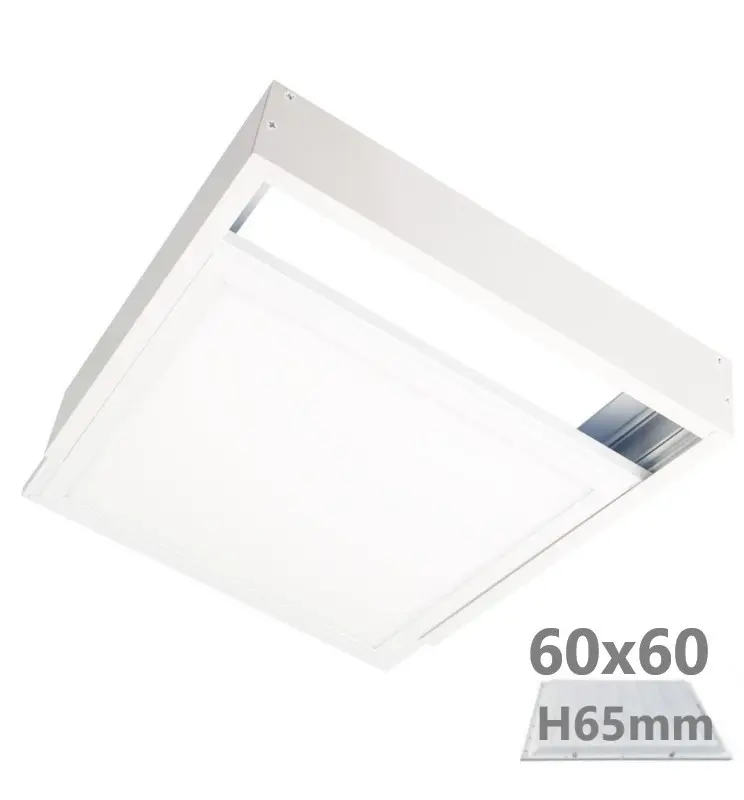
Surface mounting needs no cut-out and screws straight onto the finished ceiling. It is the quick route when the office is already in use and nothing can be taken down: a round or square ceiling light lights the whole room with a single fitting and a single connection point. They are in Ceiling and LED Surface.
A pendant brings the light down and gives the room character. In a director's office or a notary's office, a pendant lamp over the meeting table marks the hierarchy of the space without adding anything else; the suspension should be adjustable and set once the furniture is in place. A pendant ceiling light of this kind is in LED Pendant Lamps.
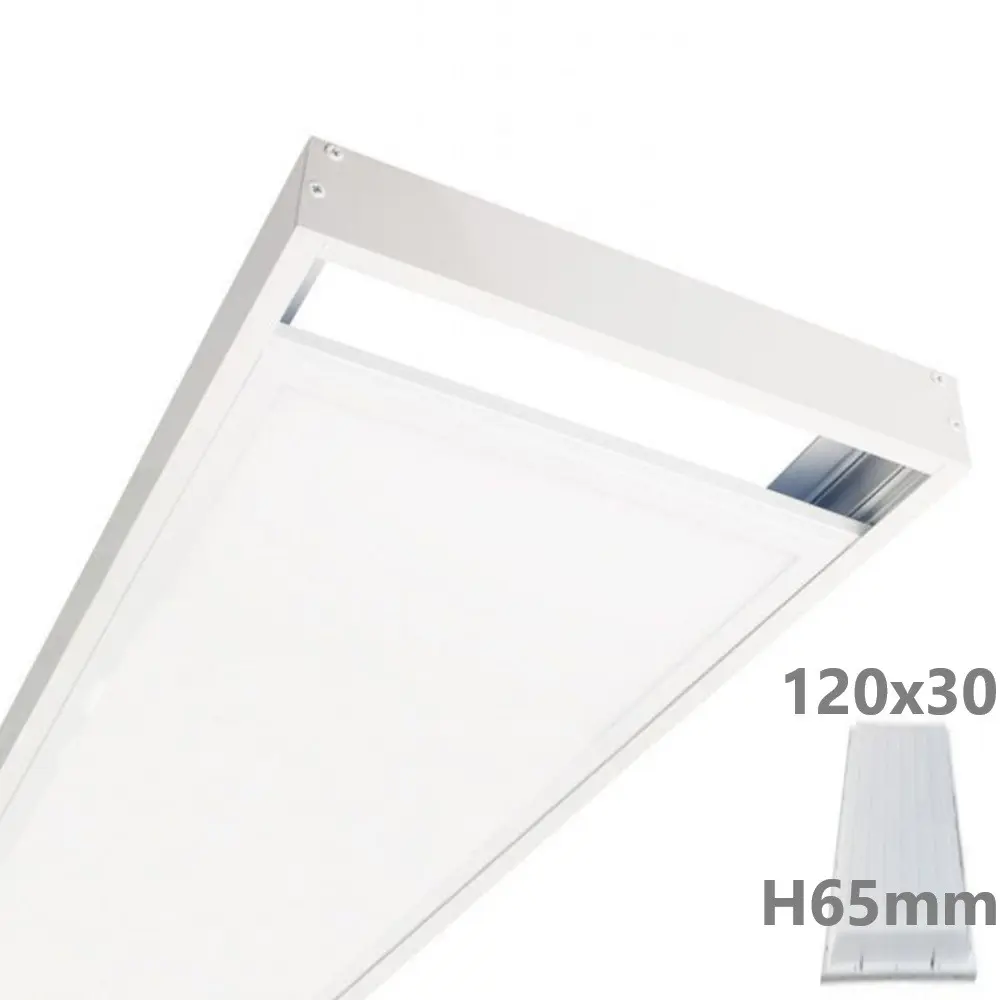
And for elongated rooms, the offices created by dividing up a floor, a rectangular LED panel or a continuous line gives better coverage than a central point. That range is in LED Panels, in formats up to 120 cm long.
An LED ceiling fitting of this type has an advantage you will not see on the datasheet: it spreads the luminous flux across the whole diffuser surface instead of concentrating it in one point, so the contrast between the lit fitting and the surrounding ceiling is much lower. In a small room this matters more than in an industrial building, because the light source is almost always within the field of view.
The choice between the three is rarely a free one. In a full refurbishment you can choose; in an occupied building, what decides is what can be touched without emptying the floor. That is why it pays to approach the purchase the other way round: first check what each room's ceiling will accept, then fix the product reference, and only at the end discuss the finish.
Light source and lamp type: which colour temperature each kind of lighting needs
The colour of the light determines how the room is perceived, and in a private office it has a practical consequence: it changes how the face of the person opposite you looks.
4000K is the standard for administrative work. That neutral white light keeps people alert without making the room feel cold, and it is what is installed by default when the office is in continuous use. Higher-temperature white light, cool white, is reserved for technical rooms, laboratories and control offices where detail is what matters.
In directors' offices, waiting rooms and consulting rooms where visitors are received, warm white works better: it softens the space and makes conversation more comfortable. It is the same principle applied in hospitality, and it has nothing to do with the personal taste of whoever is deciding.
The most flexible solution is switchable colour temperature: one fitting with three or four settings, selectable on the fitting itself during installation. That way a single reference works for both the working office and the director's office, which is exactly what you want when buying for an entire building. Current LED technology also delivers bright light with low energy consumption, and the difference in energy efficiency compared with an old fluorescent or halogen fitting shows up on the first bill.
It is worth checking the lumen output on the datasheet before deciding: two fittings with the same consumption can deliver very different luminous flux depending on the chip and driver they use.
Dimming and smart lighting for a room with varying use
The ceiling light in a private office does not have the same job at nine in the morning as at six in the evening, and that is where controls pay for themselves.
A dimmable fitting lets you set the level according to the daylight outside and to the task at hand: full output for reviewing paperwork, medium for a meeting with a projector. The protocols we supply are TRIAC for simple installations, 0-10V and DALI where there is centralised management, plus versions controlled from a standard push button.
Connected control adds a further layer. There are fittings with remote control and smart control via an app, letting you set scenes and schedules without any extra wiring. Some include a memory function and return to the last level when switched on, a detail that saves readjusting every morning.
It is worth deciding this before buying, not afterwards. A non-dimmable fitting is cheaper on the first invoice, but it locks the installation in: adding control later means replacing the whole fitting. When the project plans for connected control in phases, the sensible move is to buy control-ready equipment now and activate the control side when the time comes.
In buildings with many identical offices, presence detection is what really pays off: the light comes on when someone walks in and switches itself off. It saves energy in rooms used only occasionally and avoids the classic office left lit all night. The same principle applies to the building's circulation areas.
Office lamps with a quality finish: the office ceiling light that receives visitors
When the office is where contracts are signed, the fitting is on show and becomes part of the company's image. There the criteria broaden: visual comfort still comes first, but so does the finish.
Our wide catalogue covers both. There are minimalist pieces with clean lines, suited to architecture studios and professional offices looking for style and sophistication without clutter, and models with metal bodies or natural fibres fitted with a lamp holder of the E27 type that takes whichever bulb you prefer. A replacement LED lamp can be ordered together with the rest of the material.
That decorative style should stay consistent with the rest of the floor: decorative elements that clash with the furniture stand out more than a discreet fitting. For localised reinforcement, wall lights provide courtesy lighting by the door or above a sideboard, and the table lamp covers task lighting on the desk; that family is in LED Table Lamps.
Where people work with drawings, a good desk lamp is still irreplaceable for focusing light on the task without raising the level of the whole room. Finish and function do not compete: they occupy different layers of the same project.
A light fitting for any space: buying for several offices at once
The typical enquiry we receive is not a single office: it is a floor with twelve or fifteen, all identical, that has to be refurbished in phases without stopping business.
Multi-site projects are approached the same way, with one extra condition: it is best to fix the reference before starting on the first site, because a series discontinued halfway through the roll-out leaves the building with two generations of material side by side. When you tell us the full scope, we reserve stock for every phase and confirm in writing which reference will be available throughout the roll-out.
That is why the first step is to fix the reference. As professional lighting specialists, what we do before you order anything is a DIALux calculation on the plan of a typical room: we return the average level, the distribution and how many units are needed. With that, the quote stops being an estimate and the purchase can be phased knowing the floor will end up uniform.
To open a trade account, send the registration form and your company or sole-trader documentation to our sales email address. With an active account you get trade prices, discounts that grow with volume, a personalised catalogue with your details and the option of a credit line with deferred payment, subject to approval. Resellers also get blind shipping and dropshipping, with the catalogue connected to their shop and updated daily.
Shipping costs are calculated in the basket according to weight, volume and zone, and are shown before you confirm; the Canary Islands, Ceuta and Melilla require DUA customs processing and prior contact. The warranty runs up to 6 years depending on the product, with three years as standard, and returns are processed via RMA from the customer area, with return carriage paid by the customer.
The catalogue covers any style, from the most technical to the most design-led, and that breadth is what lets a single supplier handle a building where workstations, directors' offices and reception sit side by side. Office lighting is better bought as a whole than piecemeal: one point of contact, one invoice and one series for replacements.
A well-chosen office ceiling light outlasts the works that installed it, which is why we work with complete product families: in two years' time you will be able to replace a single unit without the room ending up with two different tones.
What we are asked before ordering a ceiling light for a private office
Does the LED light in a private office have to match the rest of the floor?
Not necessarily, and it almost never does. The open area is designed for continuous, uniform use; the private office can take a slightly lower level and benefits from dimming. What you should keep the same is the colour temperature, so the corridor does not mark the border between two different tones.
Is a single fitting enough for a twenty-square-metre office?
It depends on the layout, not the size. If there is a desk area and a separate filing or meeting area, a single central point will leave the light uneven. It is usually better to use two lower-output fittings than one large one in the middle.
Which colour temperature should I choose if the office is used for client meetings?
Neutral for the work area and slightly warmer where conversations happen. If you do not want to double up on references, order the switchable colour temperature fitting and decide room by room during installation.
The ceiling is continuous plasterboard and I don't want to cut into it. What should I fit?
A surface-mounted fitting, which screws onto the finished ceiling with no cut-out needed. It is also the quickest route when the office is occupied and the ceiling cannot be taken down.
Can I hang a light over the meeting table in an office with a standard ceiling?
Yes, as long as the suspension is adjustable and you keep the fitting above the eye line of the seated occupants. With ceilings below two and a half metres, it is better not to suspend and to go for surface mounting instead.
Do you have stock to refurbish an entire floor?
Yes, and it is best to let us know in advance: once the reference is fixed, we reserve material so every room is supplied from the same series and the same colour temperature, which is exactly what gets lost when a project is bought piecemeal.
How do I replace a fluorescent tube in an office without changing the light fitting?
By swapping the tube for an equivalent LED tube and removing or bypassing the starter, and in many cases the ballast too. If the housing is in poor condition, it is better to replace the whole unit: you will find replacement material in LED Tubes, Battens and Waterproof Fittings.
Más en Office Ceiling Lighting