

Industrial LED Floodlights
44 products
New
Industrial LED High Bay 200W-150W-100W UFO ENDURANCE OSRAM CHIP DURIS E 2835
79,90 €
VAT included
Ref: ENDUR-HB200W
New
Industrial LED High Bay 150W-100W-80W UFO ENDURANCE OSRAM CHIP DURIS E 2835
69,80 €
VAT included
Ref: ENDUR-HB150W
Industrial LED High Bay 150W UFO FRANCE 3CCT 200Lm/W | Smart Motion Sensor | Sosen Dimmable 1-10V | OP 60º - 90º
106,48 €
VAT included
Ref: SENS150W-91292
Industrial LED High Bay 200W UFO FRANCE 3CCT 200Lm/W | Smart Motion Sensor | Sosen Dimmable 1-10V | OP 60º - 90º
129,47 €
VAT included
Ref: SENS200W-91293
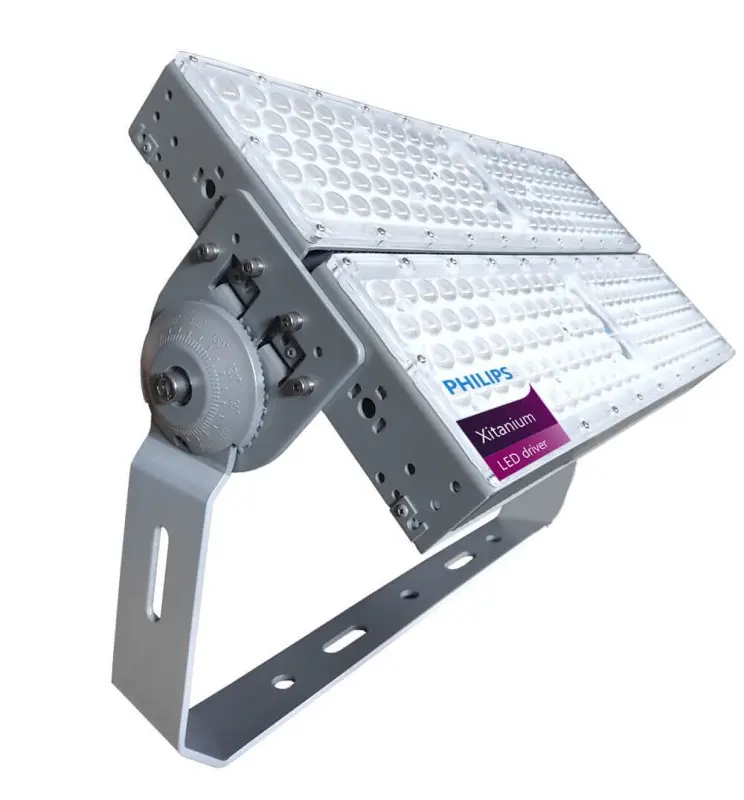
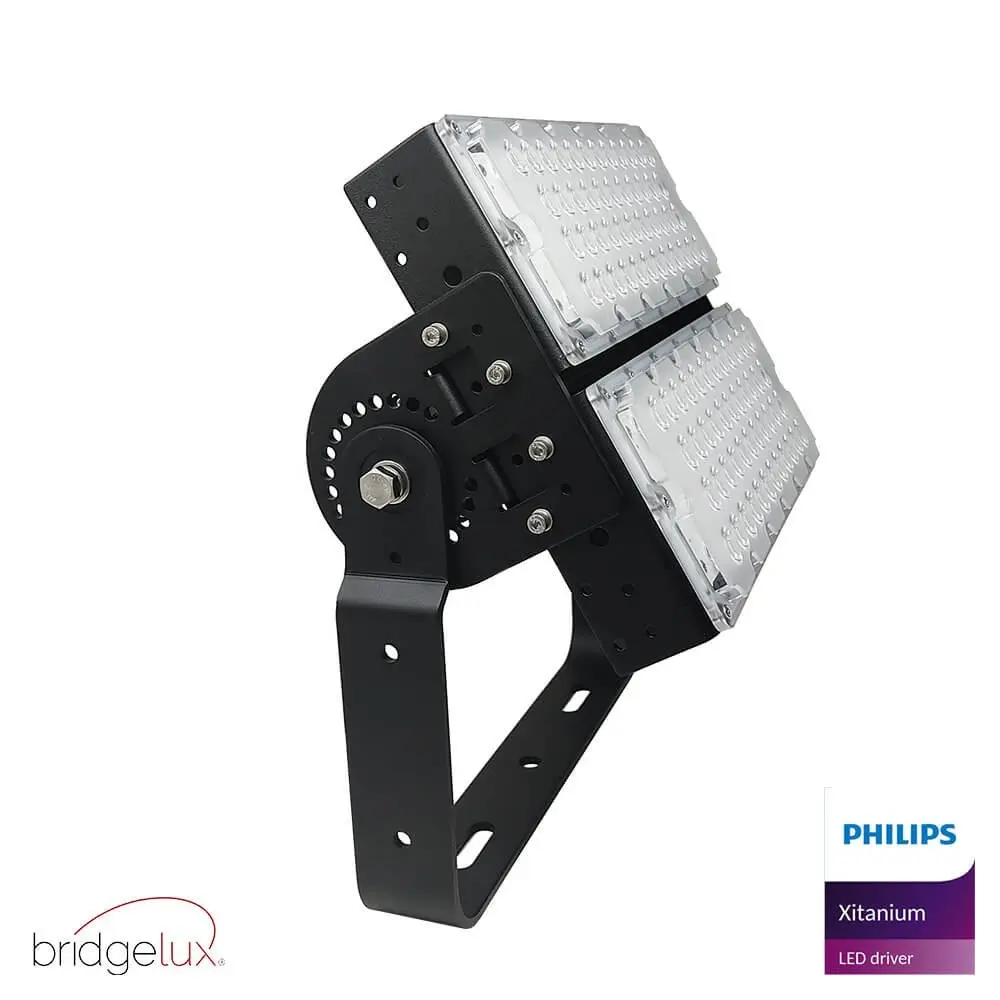
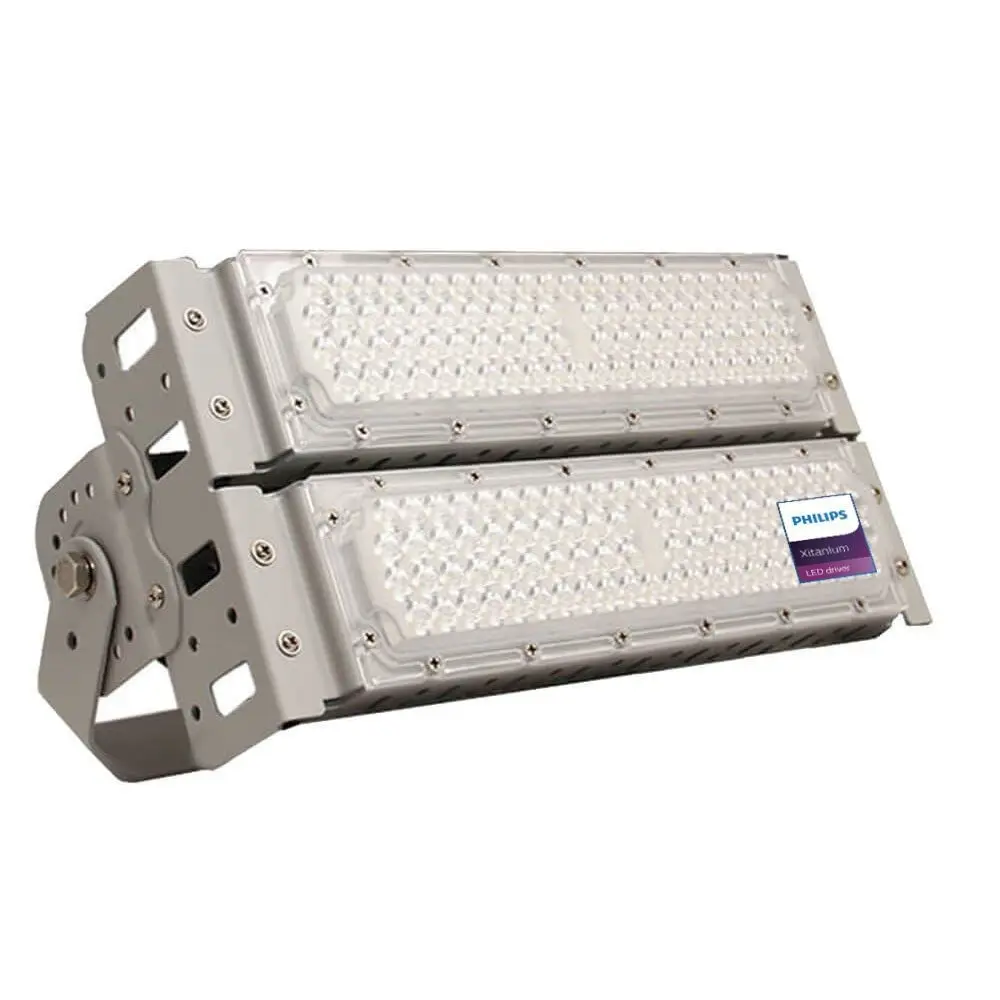
LED Floodlight 200W MAGNUM PRO | Philips Xitanium driver | SMD3030 180Lm/W 25º | IP65
216,25 €
VAT included
Ref: MDPRO200W25
Industrial LED High Bay 150W | UFO FRANCE 3CCT | SMD2835 Lumileds 200Lm/W | Zhaga Plug And Play | Sosen Dimmable 1-10V | 60º-90º
95,90 €
VAT included
Ref: HB150W-CCT-91292
Industrial LED High Bay 200W | UFO FRANCE 3CCT | SMD2835 Lumileds 200Lm/W | Zhaga Plug And Play | Sosen Dimmable 1-10V | 60º-90º
119,90 €
VAT included
Ref: HB200W-CCT-91293
Industrial LED High Bay 200W-160W-120W | UFO GERMANY | 3CCT | Philips Xitanium Driver | Dimmable 1-10V
95,90 €
VAT included
Ref: HBGER200W-CCT-91436
Industrial LED High Bay 120W-100W-80W | UFO GERMANY | 3CCT | Philips Xitanium Driver | Dimmable 1-10V
79,90 €
VAT included
Ref: HBGER100W-CCT-91435
LED Floodlight 200W | MAXLITE | 3CCT SOSEN Driver | IP65 160Lm/W | 5-year Warranty
101,31 €
VAT included
Ref: FL200W-CCT-91370
LED Floodlight 100W | MAXLITE | 3CCT SOSEN Driver | IP65 160Lm/W | 5-year Warranty
64,83 €
VAT included
Ref: FL100W-CCT-91369
Industrial LED High Bay 200W UFO - NEW TITAN CCT - CHIP LUMILEDS SMD 2835
59,42 €
VAT included
Ref: HB200W-CCT-91336
Industrial LED High Bay 150W UFO - NEW TITAN CCT - CHIP LUMILEDS SMD 2835
46,49 €
VAT included
Ref: HB150W-CCT-91335
Industrial LED High Bay 80W-100W-150W-200W - UFO - OPORTO - CHIP LUMILEDS
83,43 €
VAT included
Ref: HB-MULTI
High Bay LED 150W -170Lm/W- UFO NEW ITALY PHILIPS XITANIUM - 1-10V DIM
89,90 €
VAT included
Ref: NEW-HBPHL150W
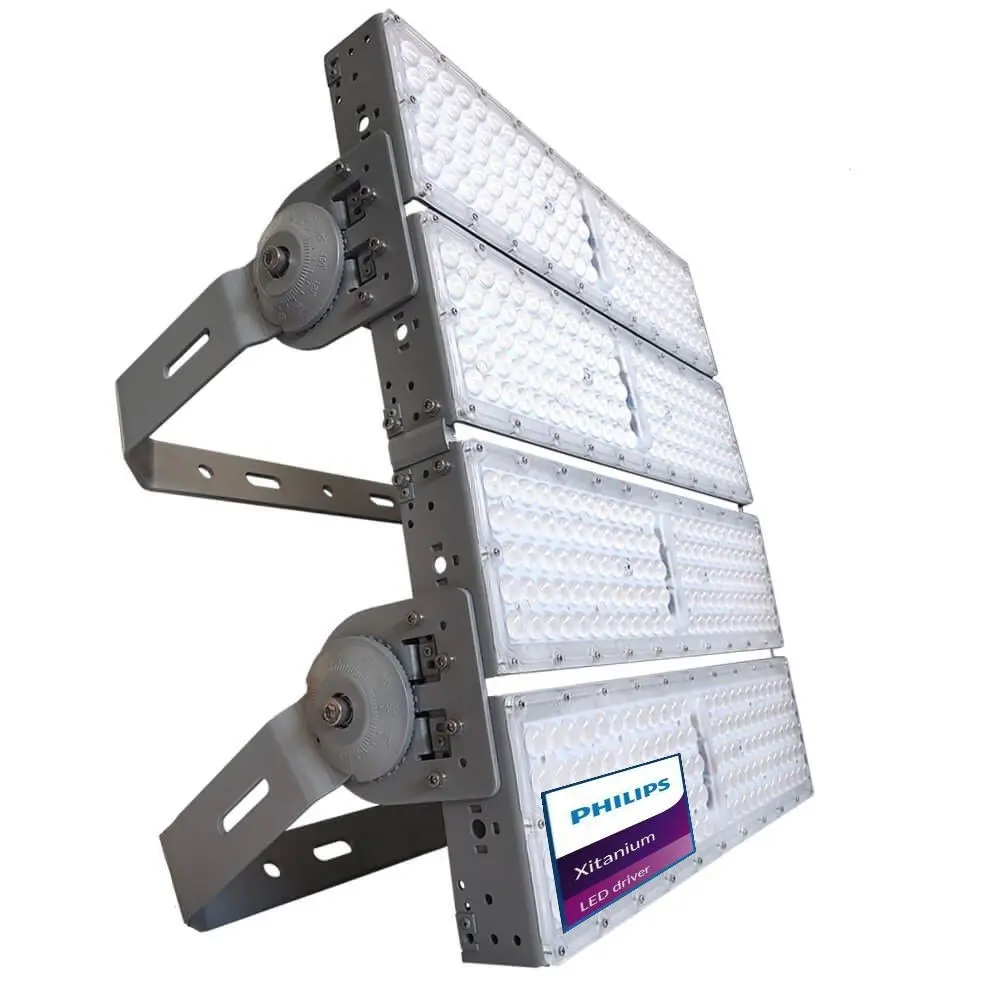
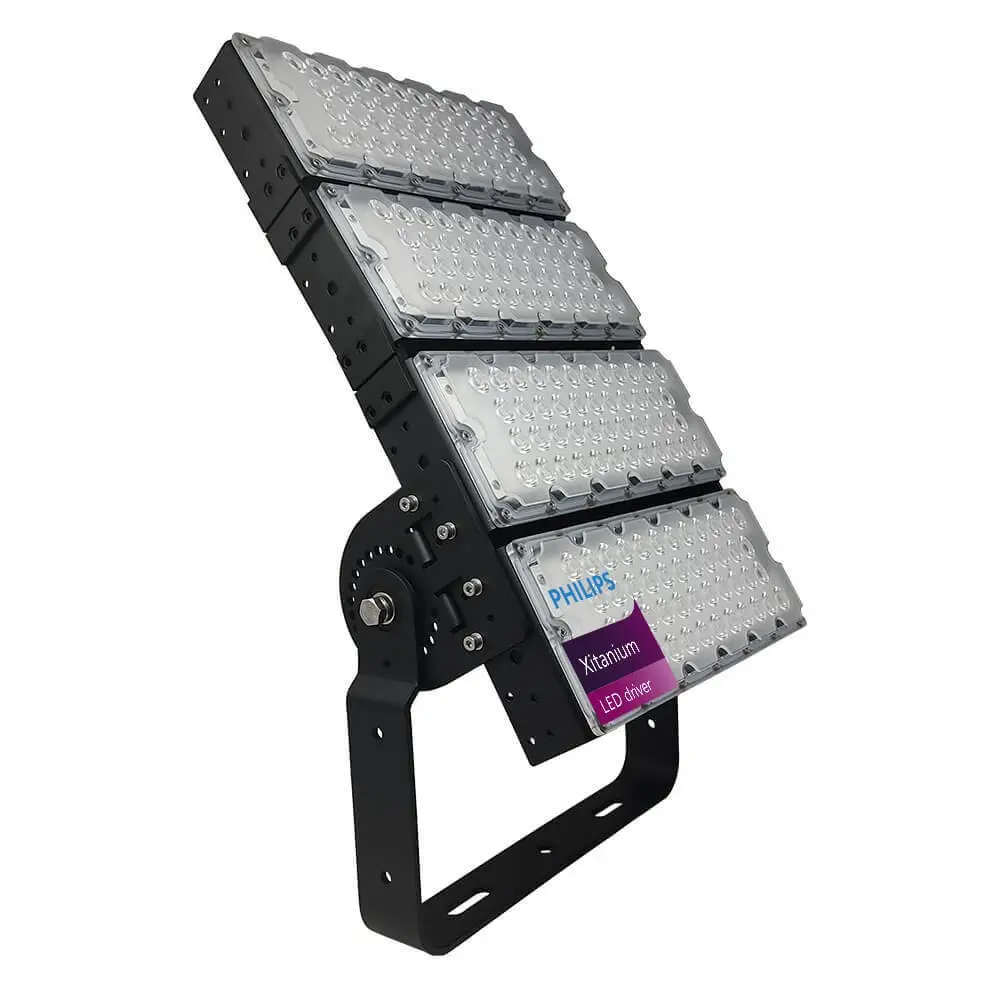
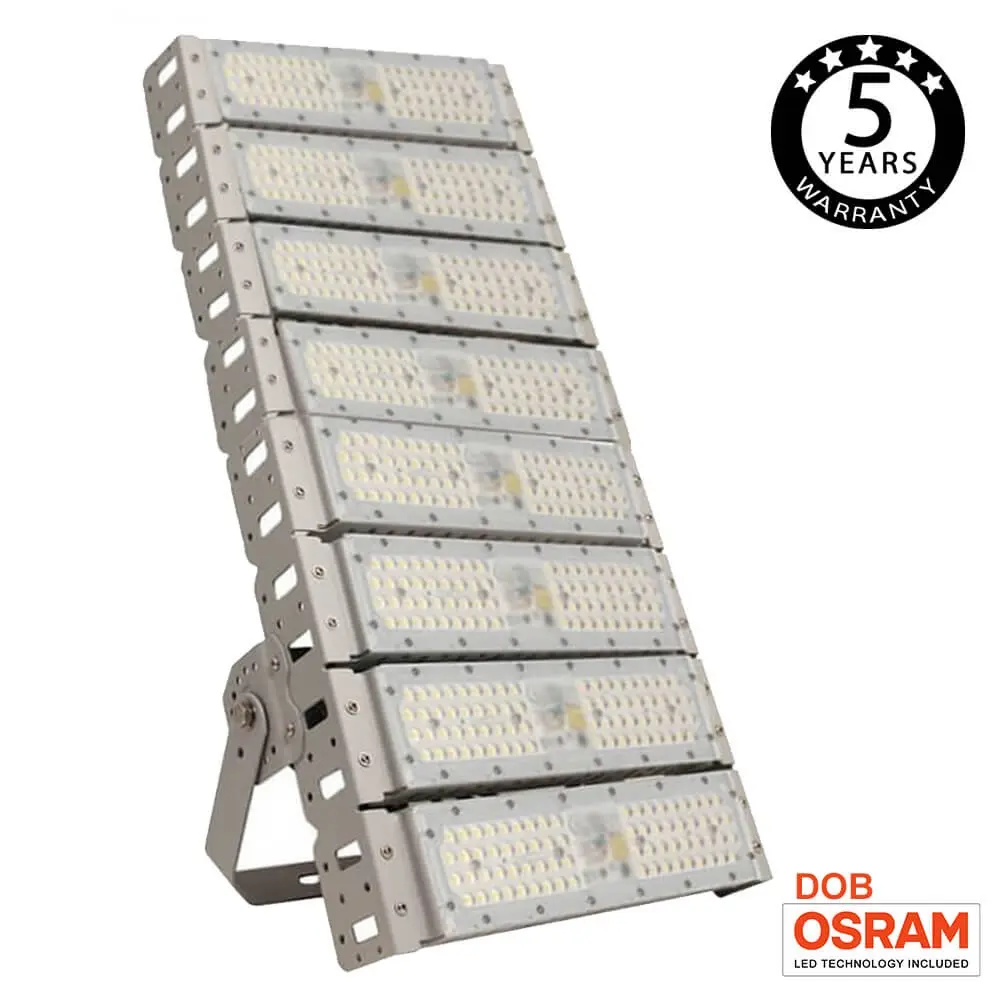
LED Floodlight 1200W | CORE MAX | Philips Xitanium DIM 1-10V Driver | SMD5050 BRIDGELUX | Class I | Flicker Free
1450,79 €
VAT included
Ref: MDPHL1200W
Piece DOUBLE SIDE connection of Projector CORE MAX
4,05 €
VAT included
Ref: UNI-COREMAX
LED Floodlight 600W | CORE MAX | Philips Xitanium Driver DIM 1-10V | SMD5050 BRIDGELUX | Class I | No flicker
617,38 €
VAT included
Ref: MDPHL600W
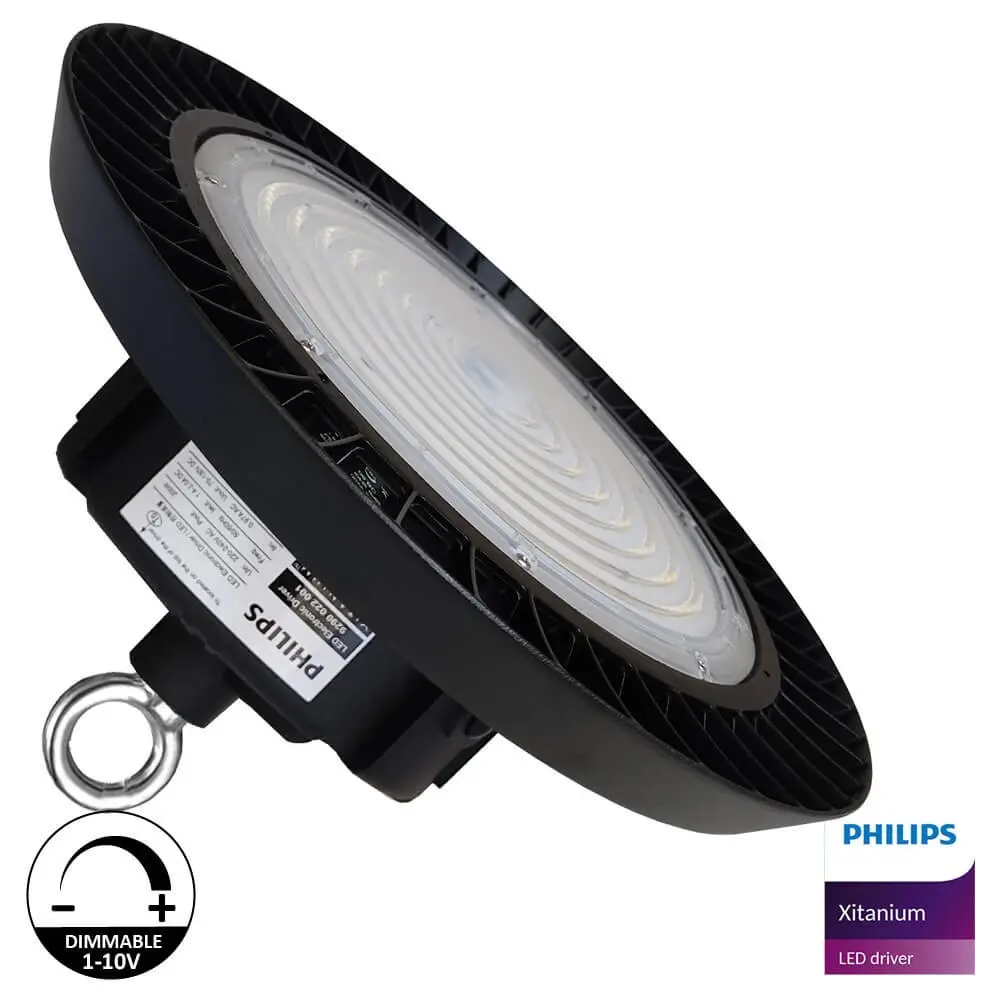
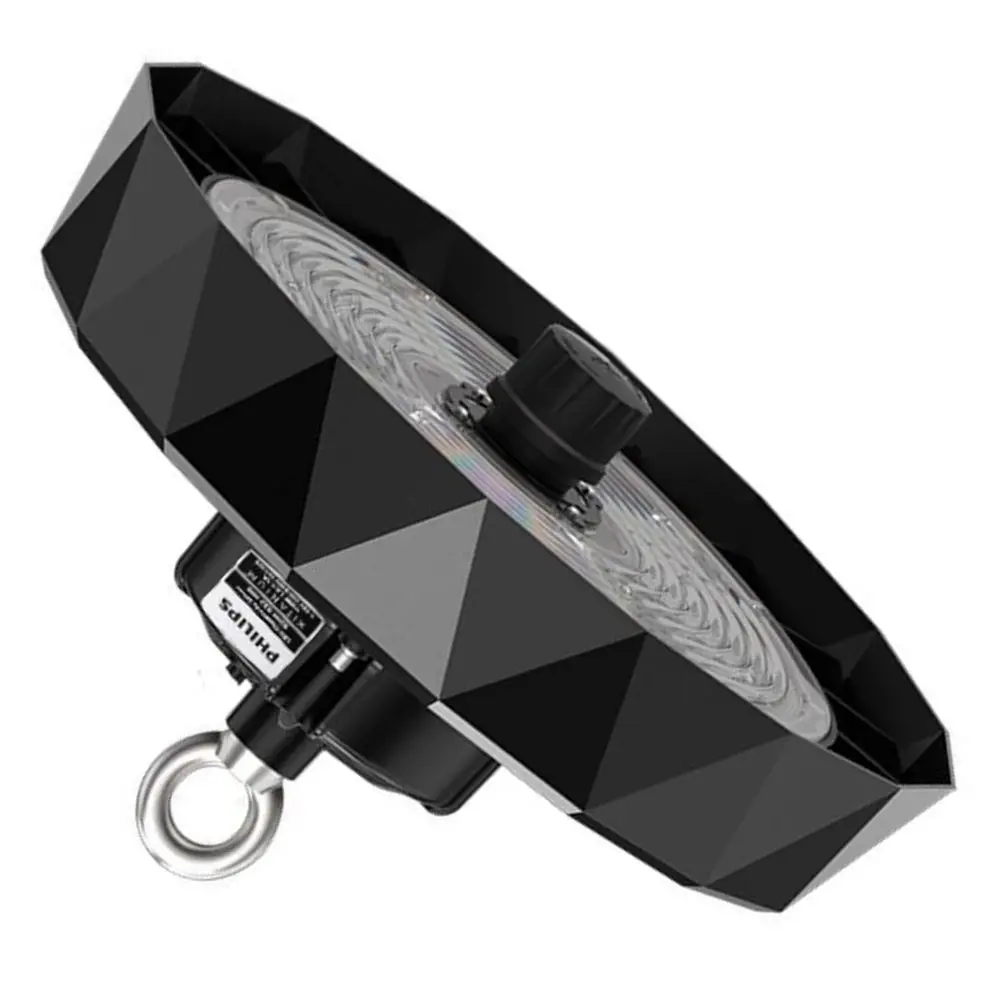
200W High Bay LED UFO DIAMOND Philips Xitanium - Dimmable 1-10V - 170lm/w - IP65
97,02 €
VAT included
Ref: HBPHL200W
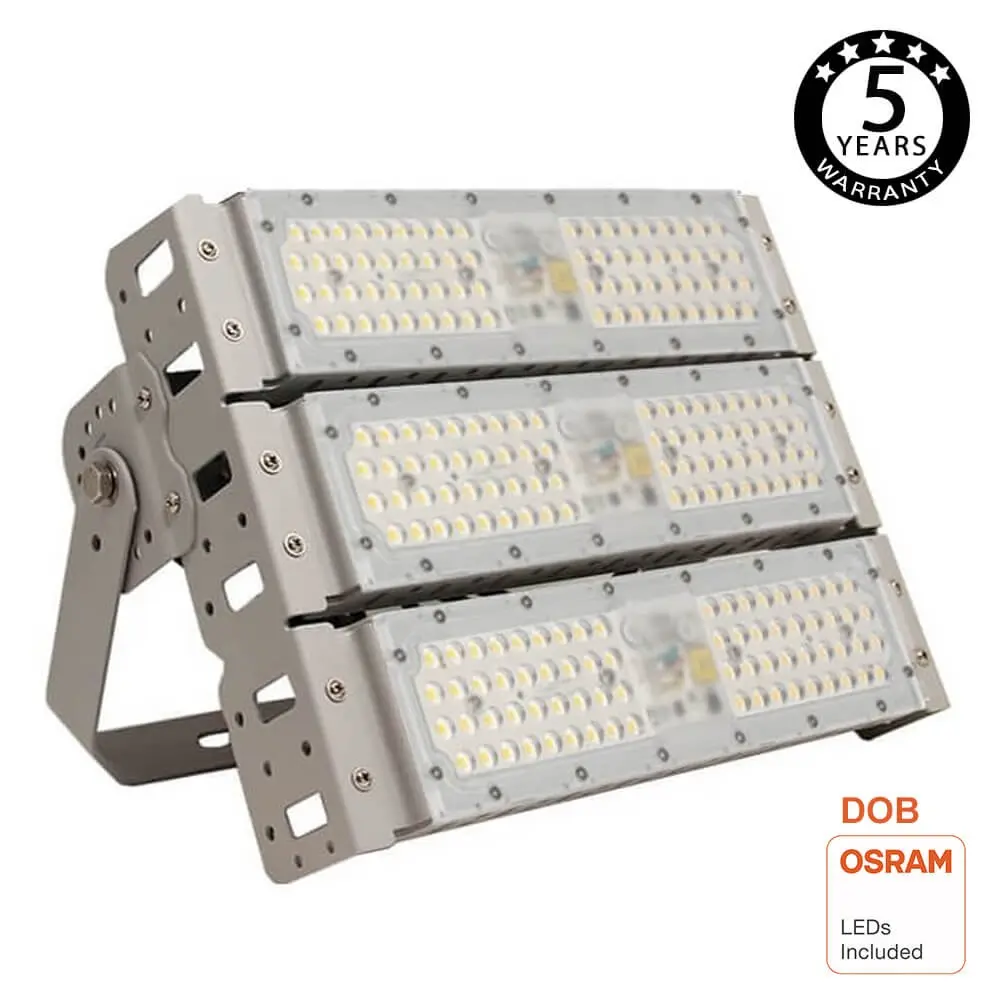
LED Floodlight 480W - STADIUM MATRIX - Philips Xitanium Driver - SMD5050 Bridgelux 240Lm/W High Brightness
577,81 €
VAT included
Ref: 0000M480W90
LED Floodlight 240W - STADIUM MATRIX - Philips Xitanium Driver - SMD5050 Bridgelux 240Lm/W High Brightness
300,82 €
VAT included
Ref: MATRIX-240W
LED Floodlight 100W MAGNUM PRO | Philips Xitanium driver | SMD3030 180Lm/W 136ºx78º | IP65
105,89 €
VAT included
Ref: MDPRO100W136
LED Floodlight 200W MAGNUM PRO | Philips Xitanium driver | SMD3030 180Lm/W 60º | IP65
216,25 €
VAT included
Ref: MDPRO200W60
LED Floodlight 50W DOB MAGNUM OSRAM Chip SMD3030-3D 140Lm/W 60º | IP65
36,57 €
VAT included
Ref: MDOB50W60
200W LED Floodlight DOB MAGNUM OSRAM SMD3030-3D 180Lm/W 60º Chip
126,02 €
VAT included
Ref: MDOB200W60
LED Floodlight 200W MAGNUM PRO | Philips Xitanium driver | SMD3030 180Lm/W 136ºx78º | IP65
216,25 €
VAT included
Ref: MDPRO200W136
LED Floodlight 100W MAGNUM PRO | Philips Xitanium driver | SMD3030 180Lm/W 25º | IP65
105,89 €
VAT included
Ref: MDPRO100W25
400W LED Floodlight DOB MAGNUM OSRAM SMD3030-3D 180Lm/W 60º Chip
252,06 €
VAT included
Ref: MDOB400W60
150W LED Floodlight DOB MAGNUM OSRAM SMD3030-3D 180Lm/W 90º Chip
94,99 €
VAT included
Ref: MDOB150W90
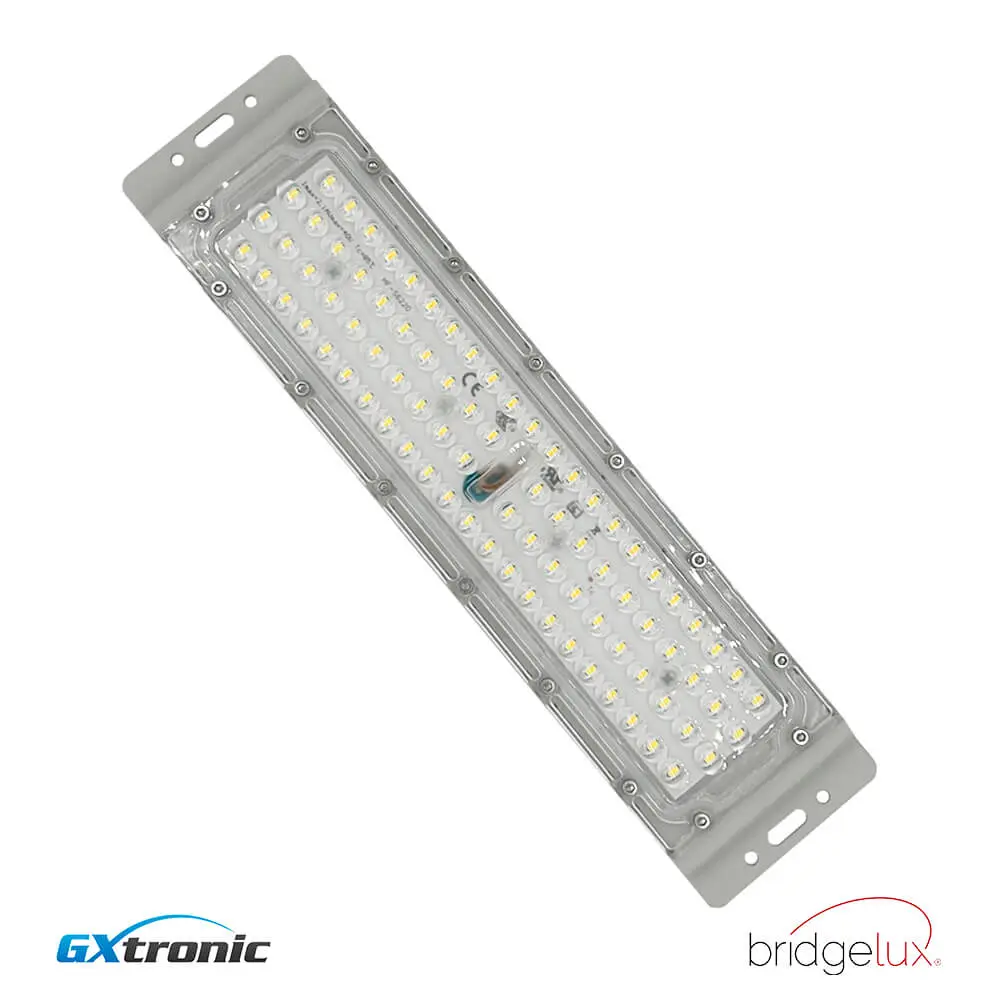
LED Module 50W MAGNUM PRO SMD3030 Bridgelux 180Lm/W 60º | IP65
40,52 €
VAT included
Ref: MD50W60
LED Module 50W DOB MAGNUM OSRAM Chip SMD3030-3D 140Lm/W 60º | IP65
25,83 €
VAT included
Ref: MDOB50W60-NW-91324
LED Floodlight 100W MAGNUM PRO | Philips Xitanium driver | SMD3030 180Lm/W 60º | IP65
105,89 €
VAT included
Ref: MDPRO100W60
LED Module 50W MAGNUM PRO SMD3030 Bridgelux 180Lm/W 25º | IP65
40,52 €
VAT included
Ref: MD50W25
LED Floodlight 50W MAGNUM PRO SMD3030 Bridgelux 180Lm/W 25º | IP65
57,61 €
VAT included
Ref: MDPRO50W25
50W DOB LED projector MAGNUM OSRAM SMD3030-3D 180Lm/W 90º Chip
36,57 €
VAT included
Ref: MDOB50W90
200W LED Floodlight DOB MAGNUM OSRAM SMD3030-3D 180Lm/W 90º Chip
126,02 €
VAT included
Ref: MDOB200W90
150W LED Floodlight DOB MAGNUM OSRAM SMD3030-3D 180Lm/W 60º Chip
94,99 €
VAT included
Ref: MDOB150W60
LED Module 50W MAGNUM PRO SMD3030 Bridgelux 180Lm/W 136ºx78º | IP65
40,52 €
VAT included
Ref: MD50W136X78
LED Floodlight 50W MAGNUM PRO SMD3030 Bridgelux 180Lm/W 60º | IP65
57,61 €
VAT included
Ref: MDPRO50W60
400W LED Floodlight DOB MAGNUM OSRAM SMD3030-3D 180Lm/W 90º Chip
252,06 €
VAT included
Ref: MDOB400W90
LED Module 50W DOB MAGNUM OSRAM Chip SMD3030-3D 140Lm/W 90º | IP65
25,83 €
VAT included
Ref: MDOB50W90-NW-91326
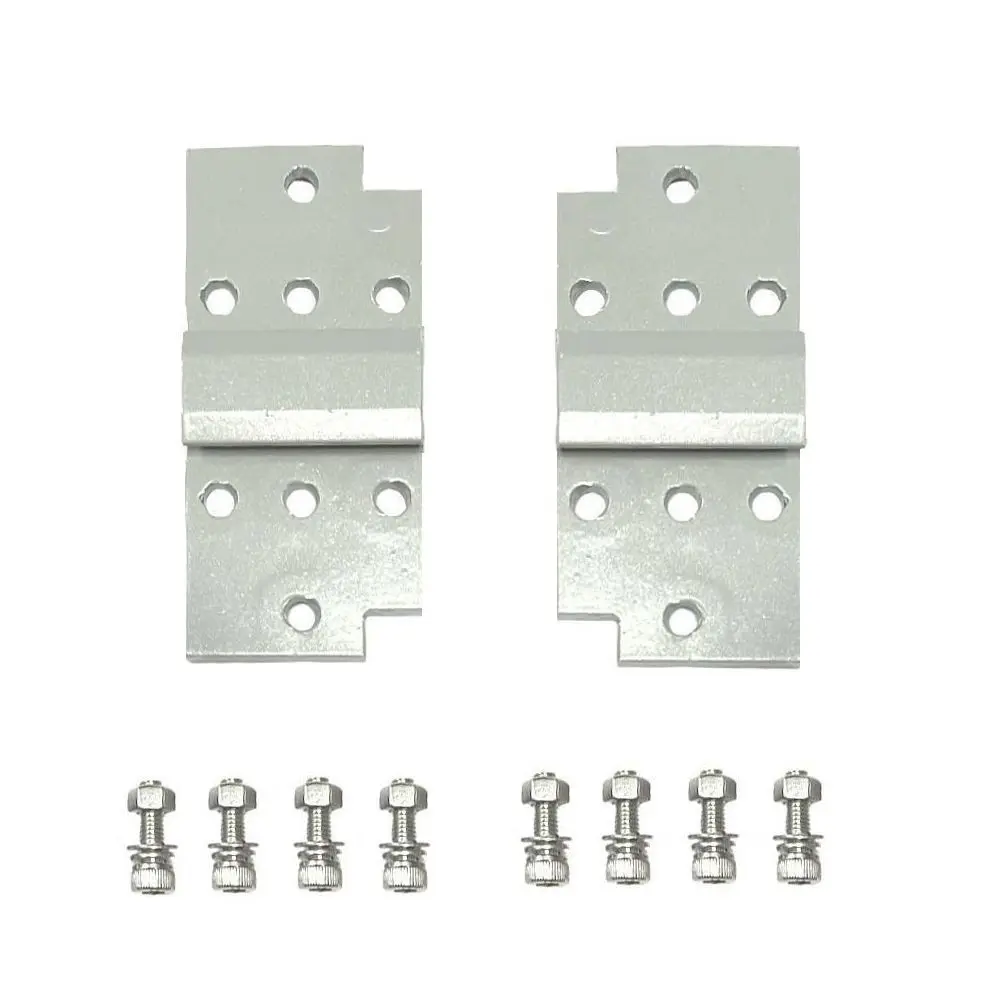
Piece DOUBLE SIDE connection of MAGNUM Projector
1,75 €
VAT included
Ref: 4842
LED Floodlight 50W MAGNUM PRO SMD3030 Bridgelux 180Lm/W 136ºx78º | IP65
57,61 €
VAT included
Ref: MDPRO50W136
Piece DOUBLE SIDE connection of MAGNUM Projector
2,90 €
VAT included
Ref: 4843
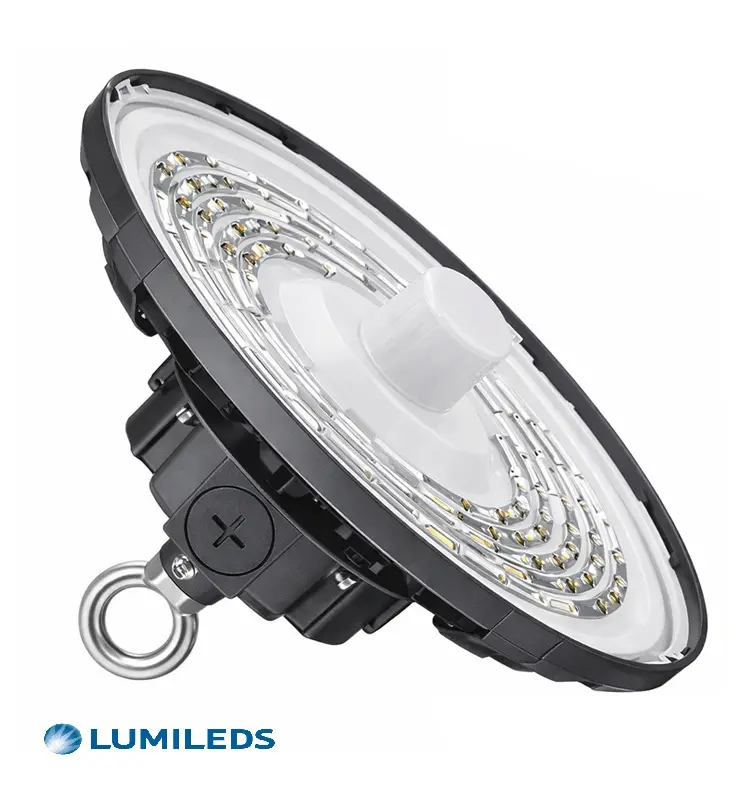
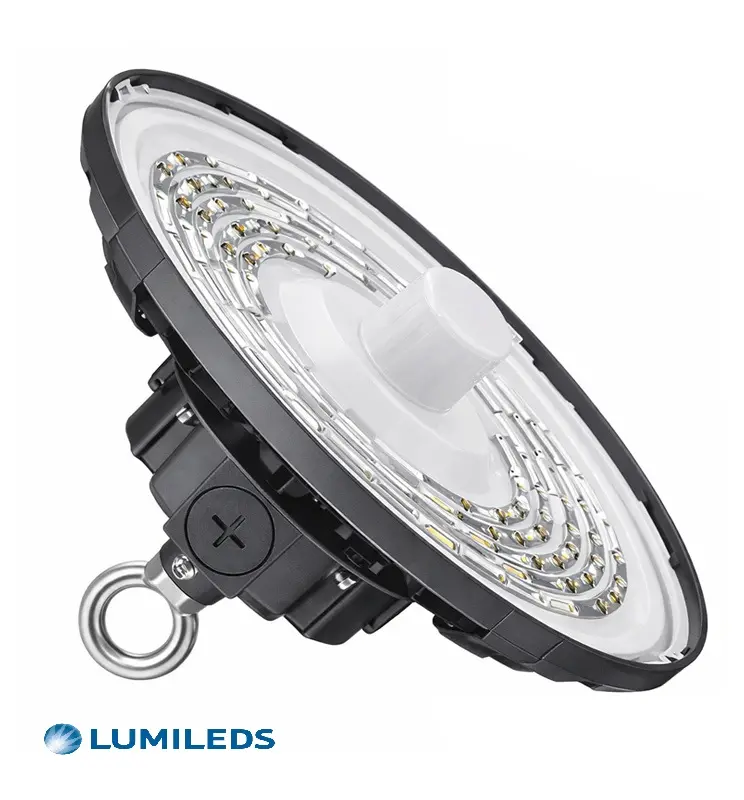
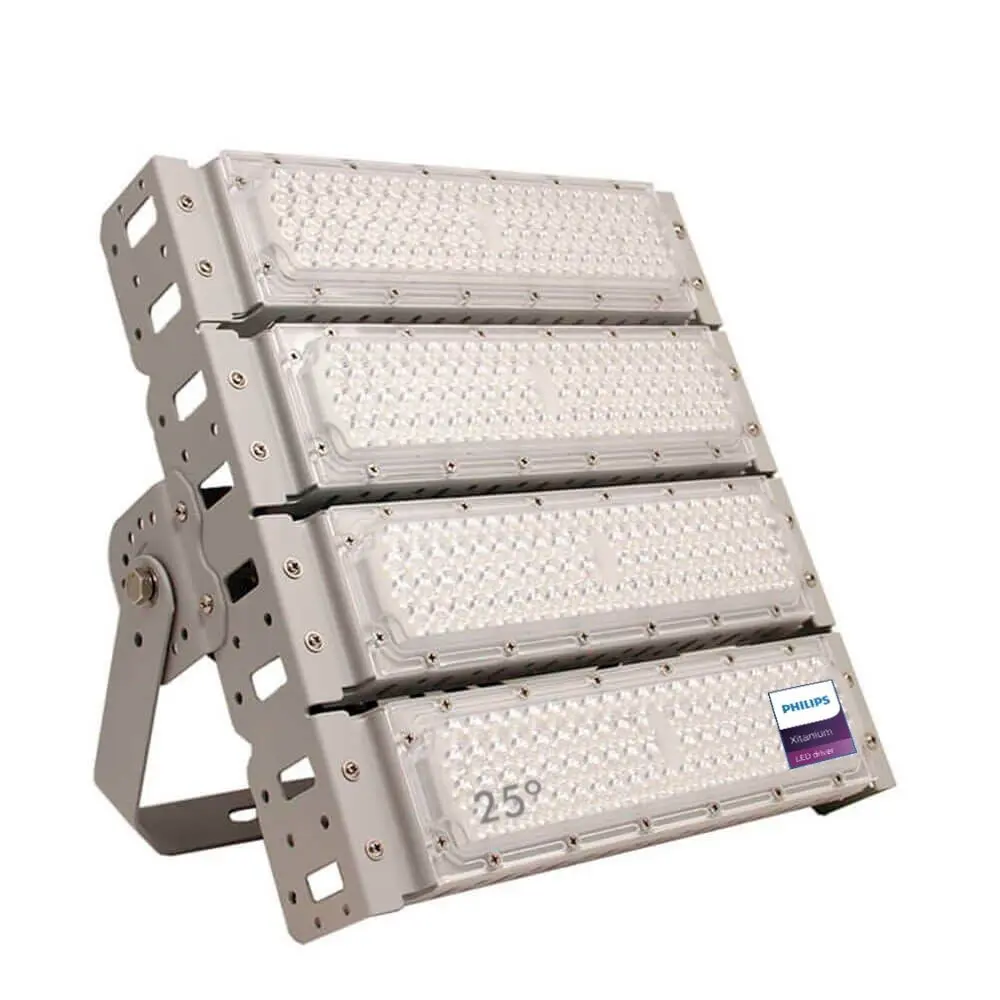
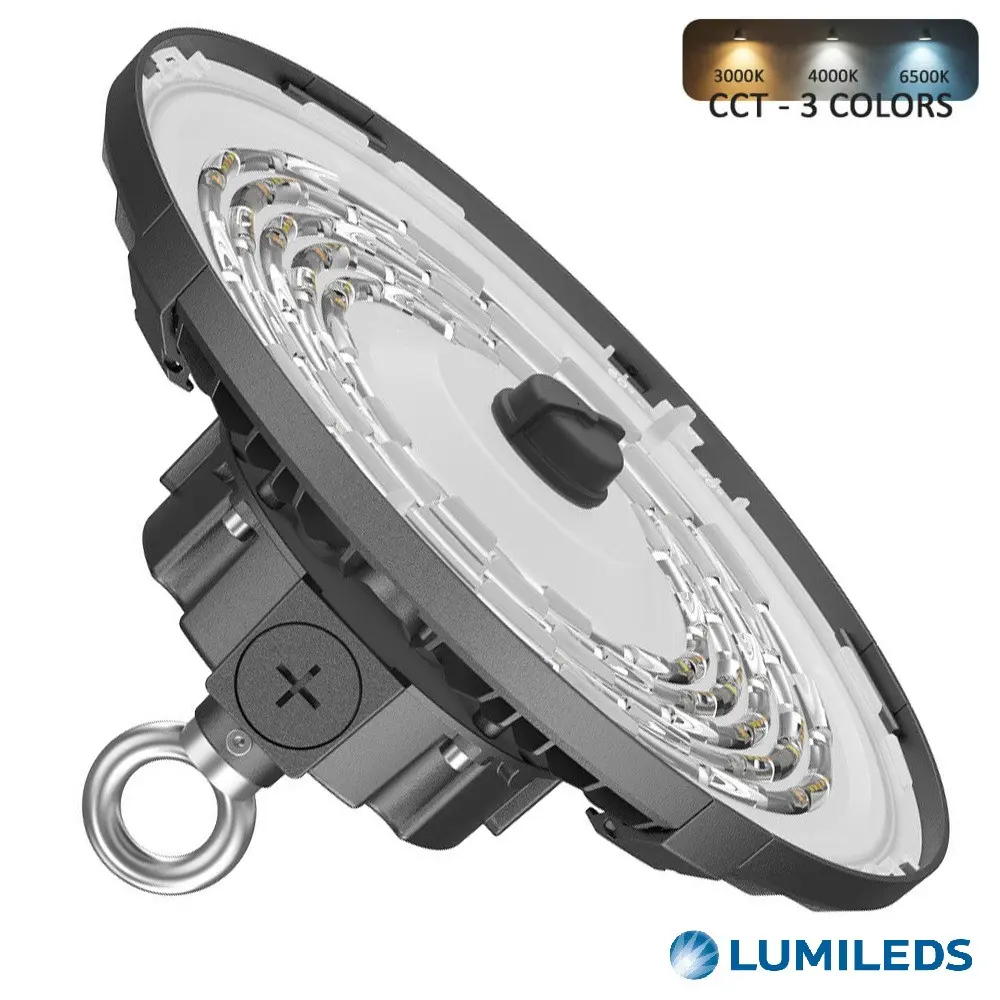
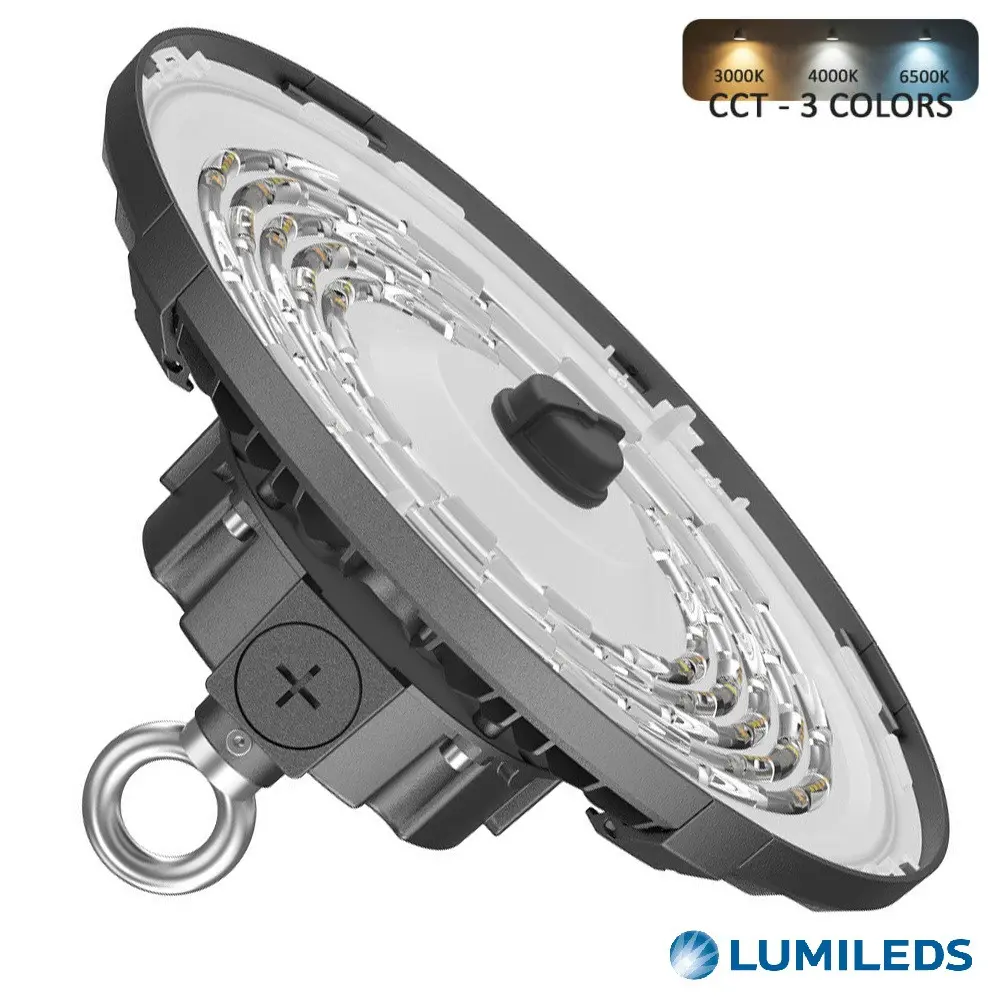
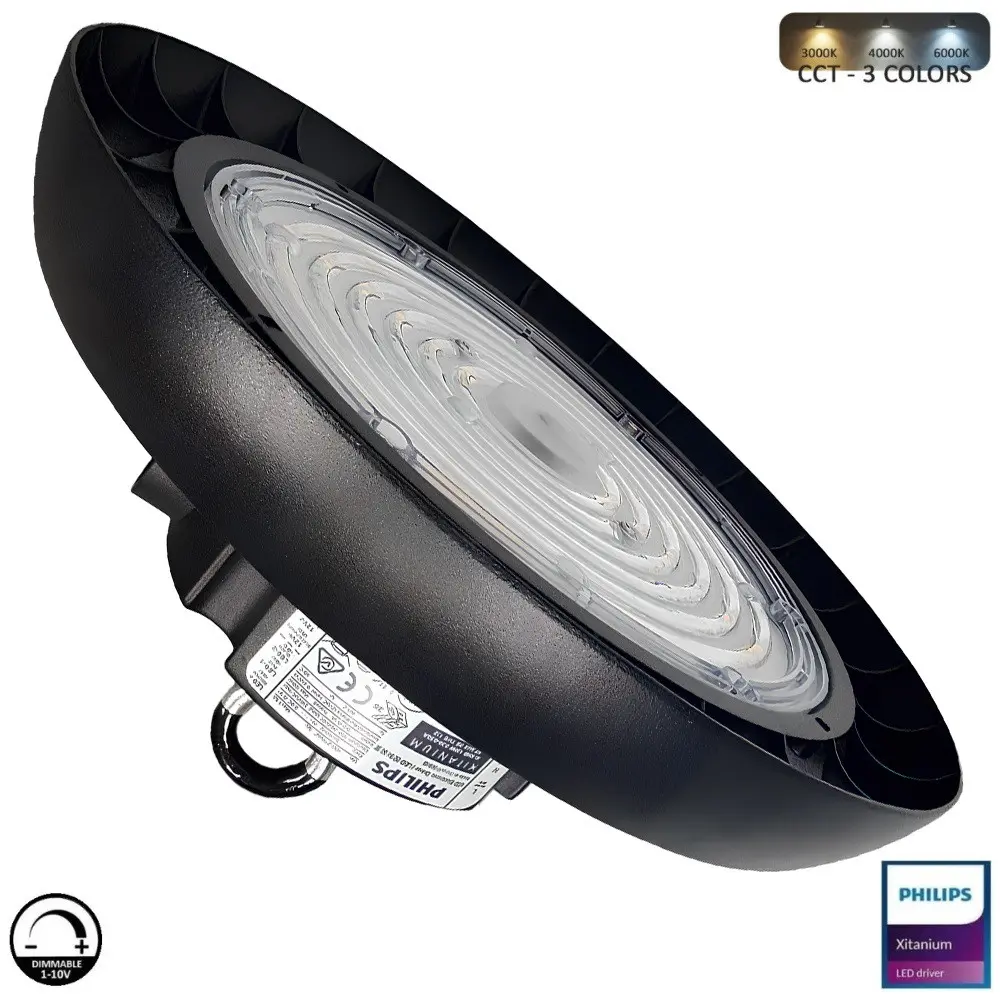
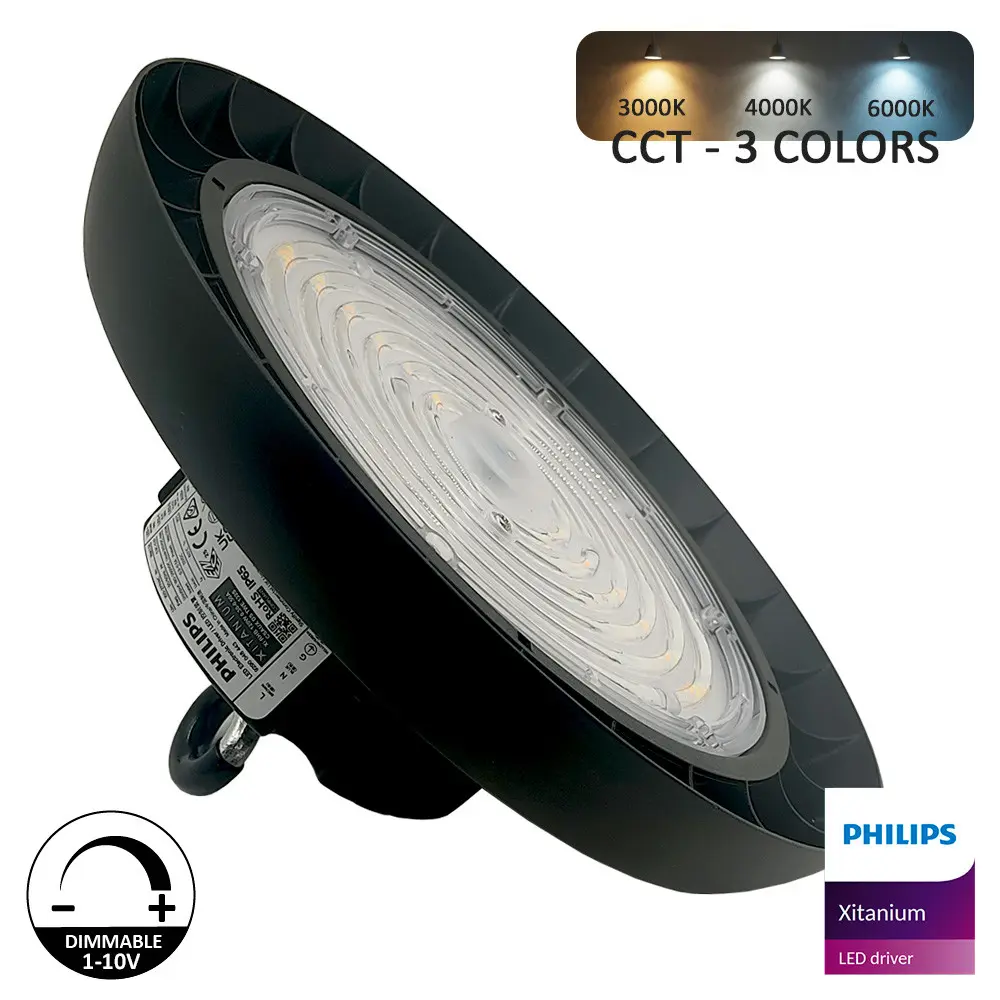
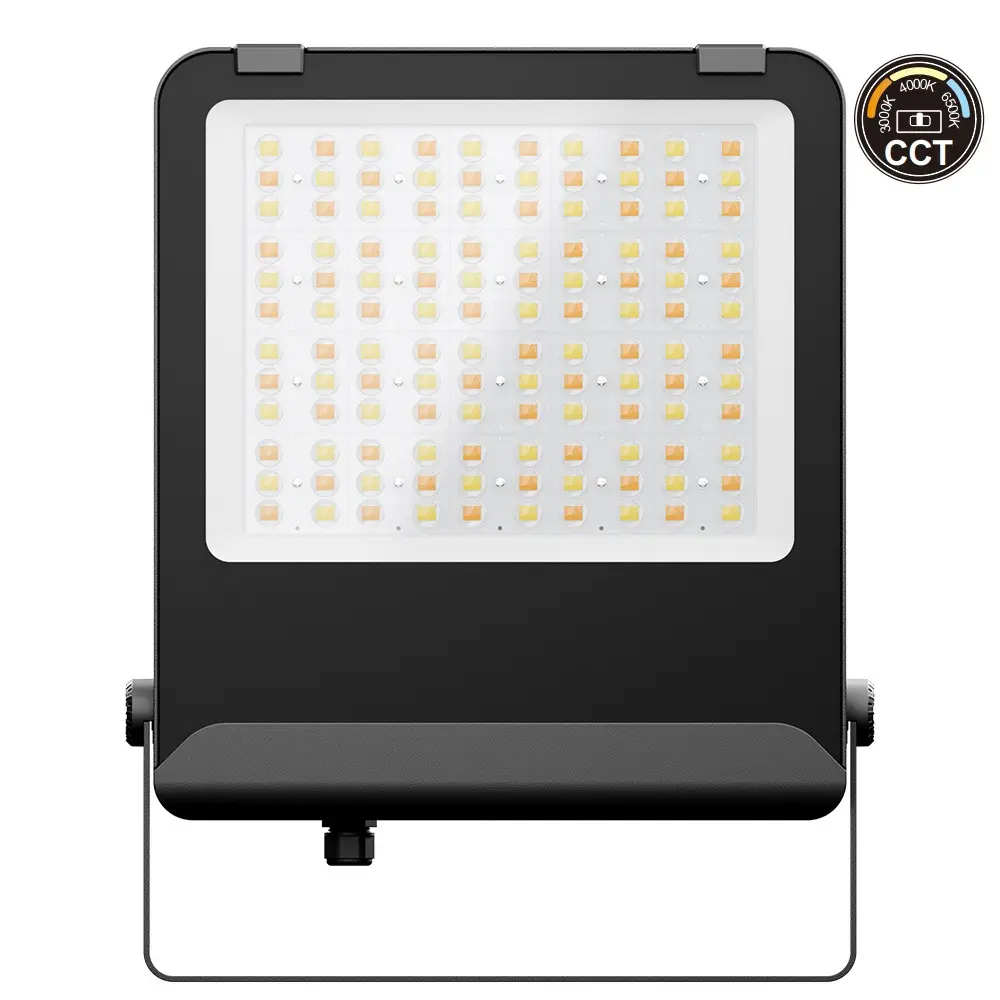
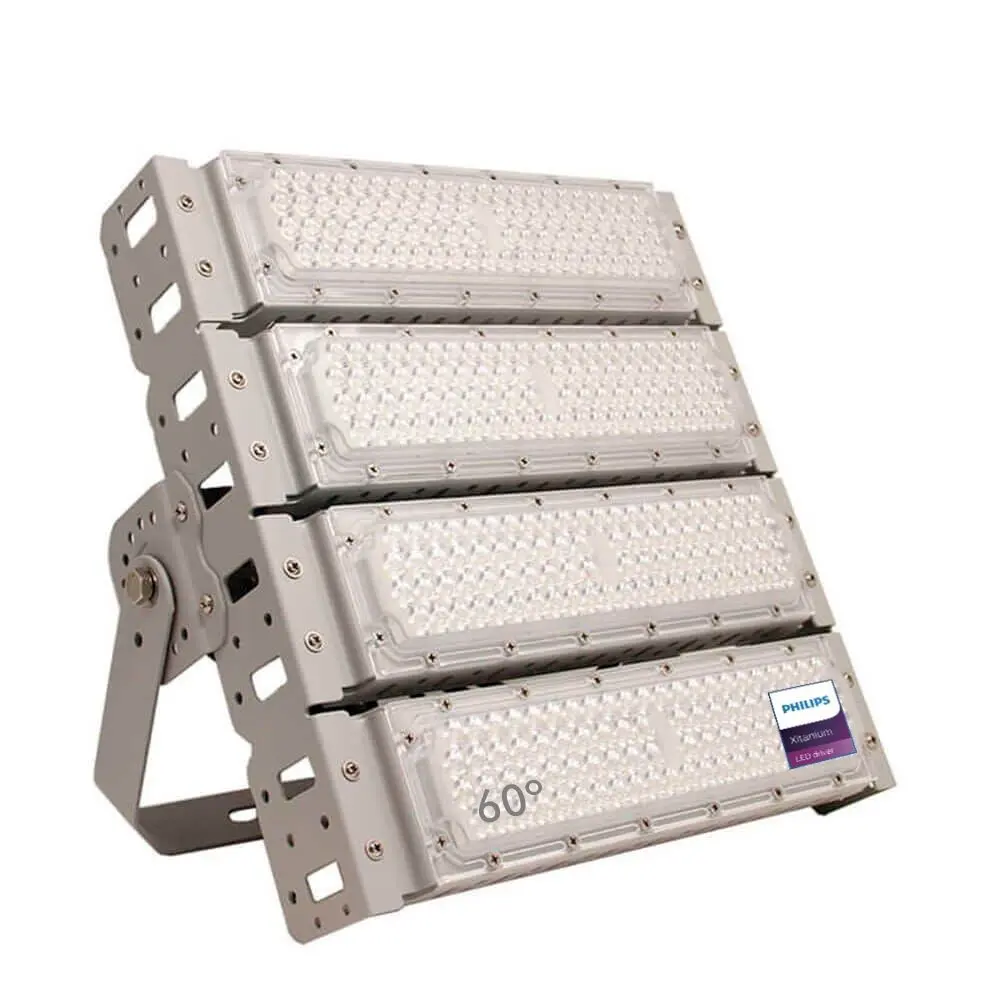
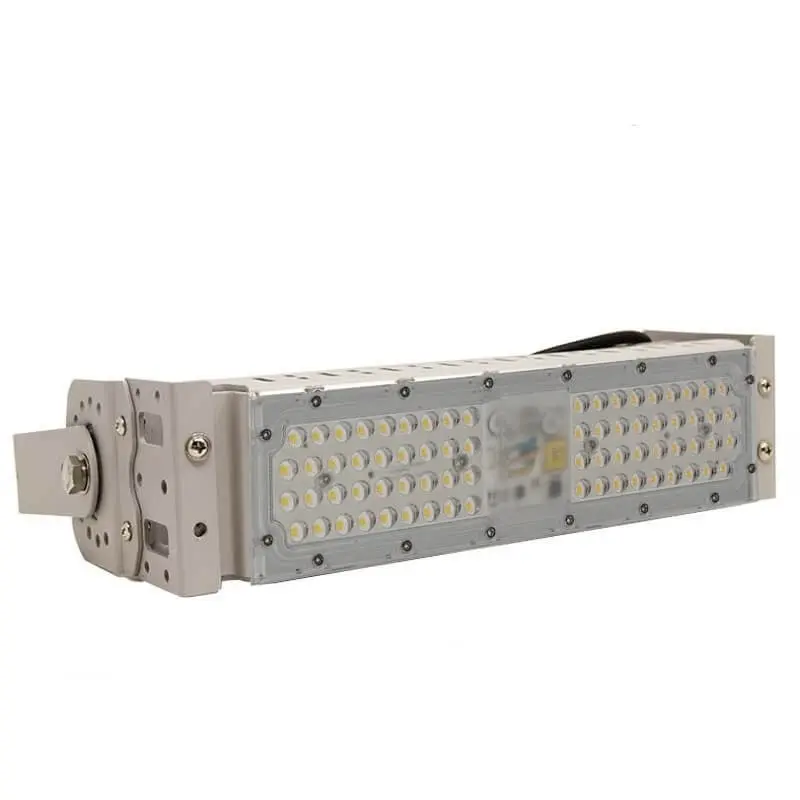
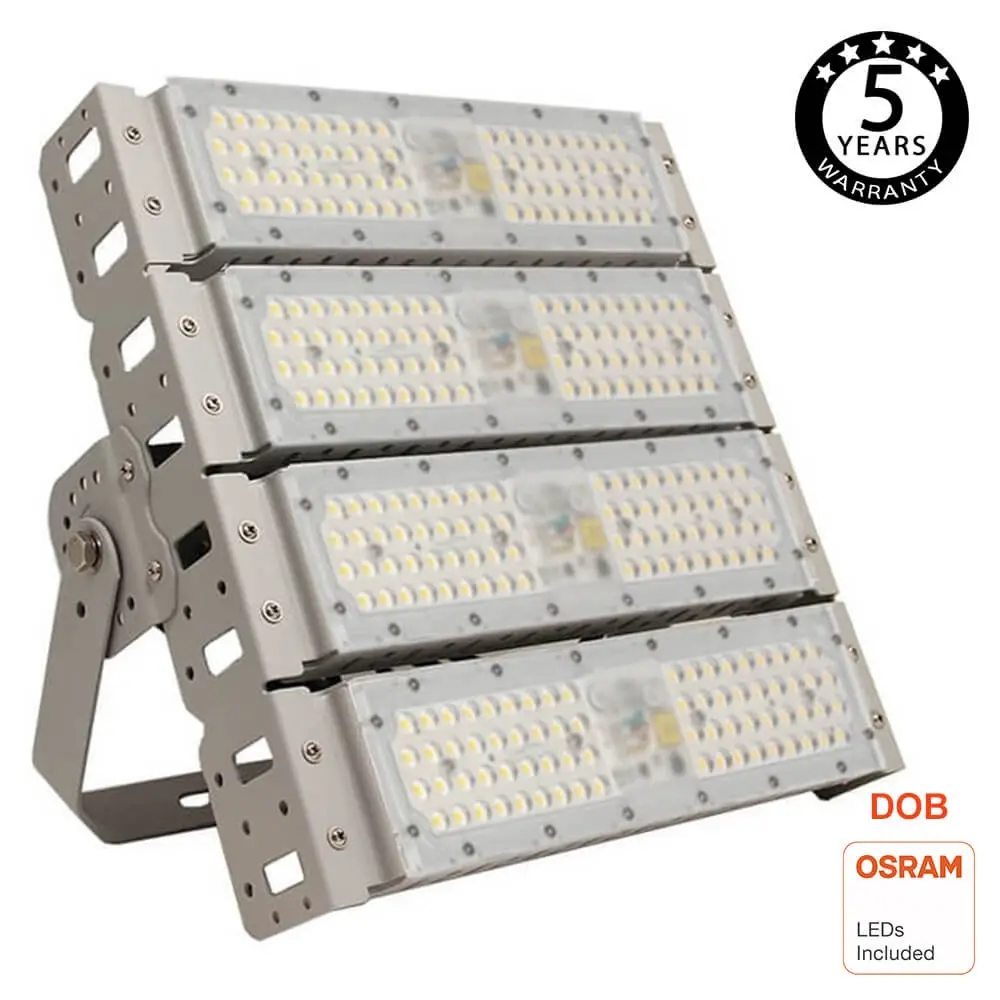
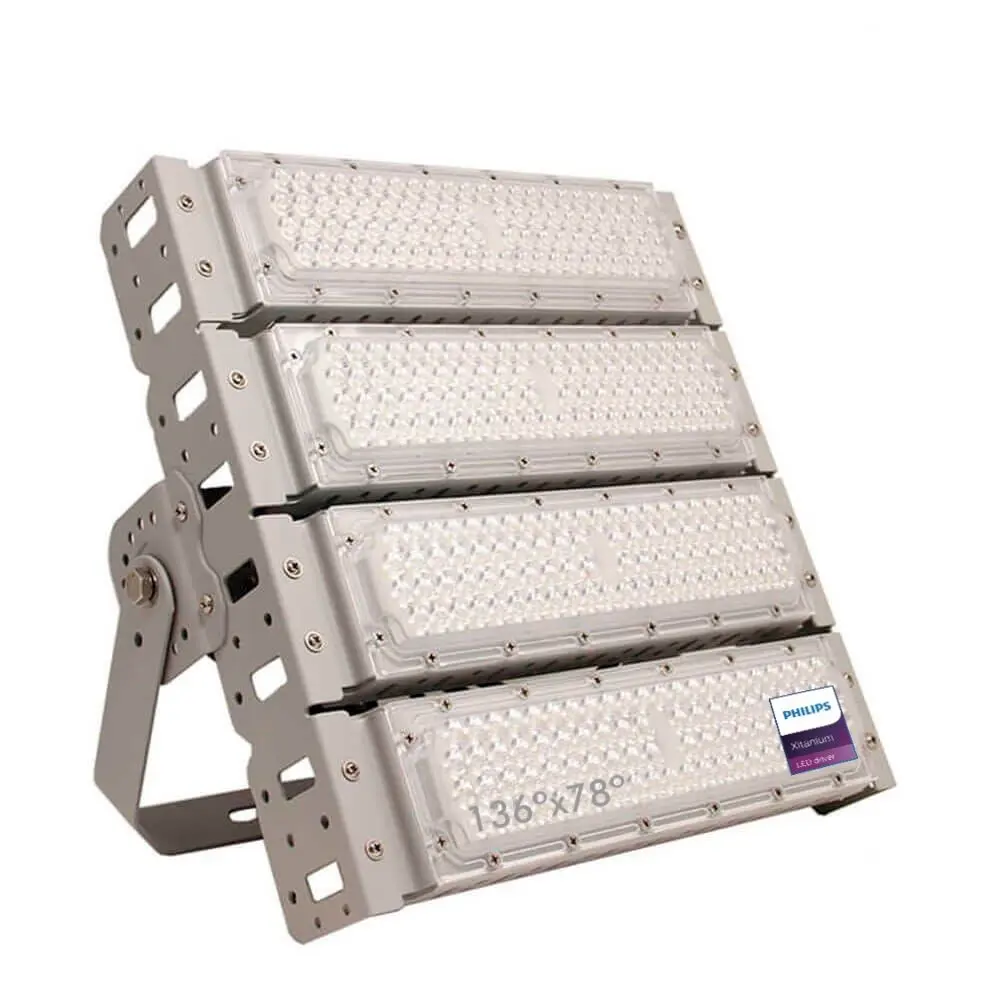
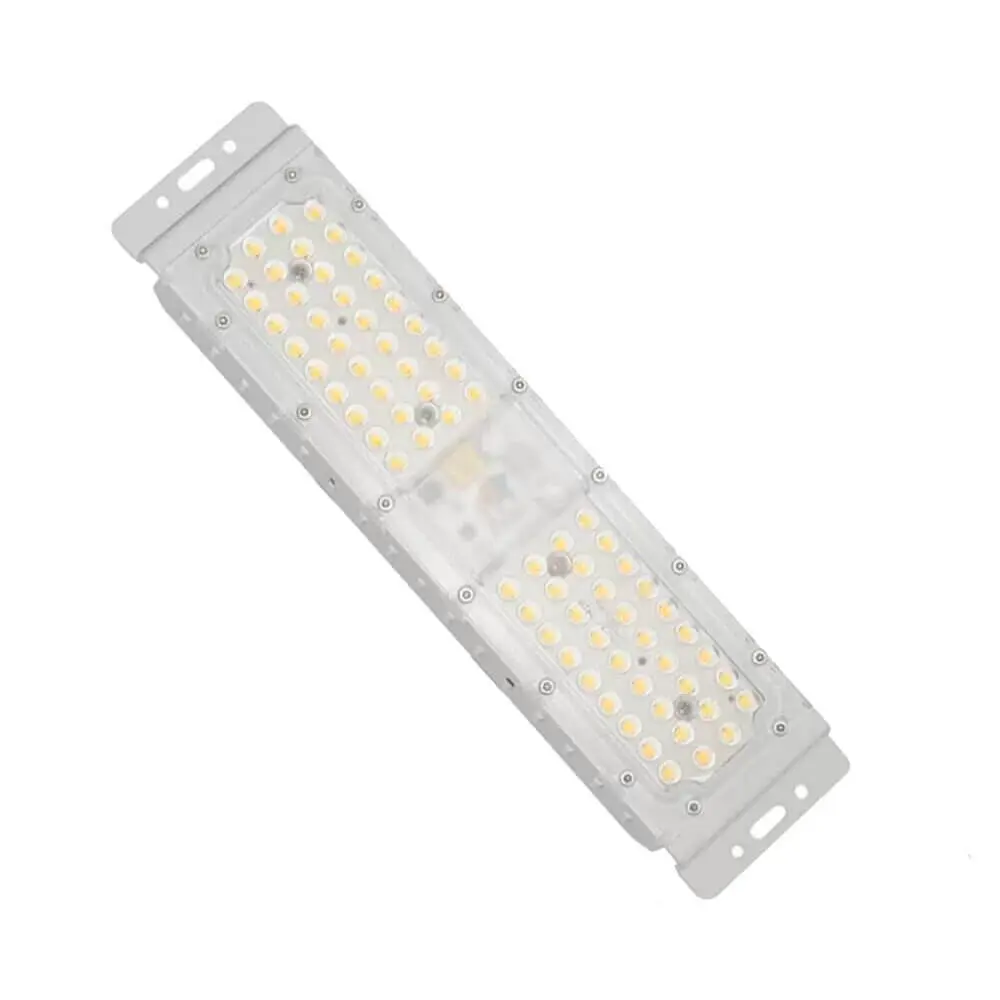
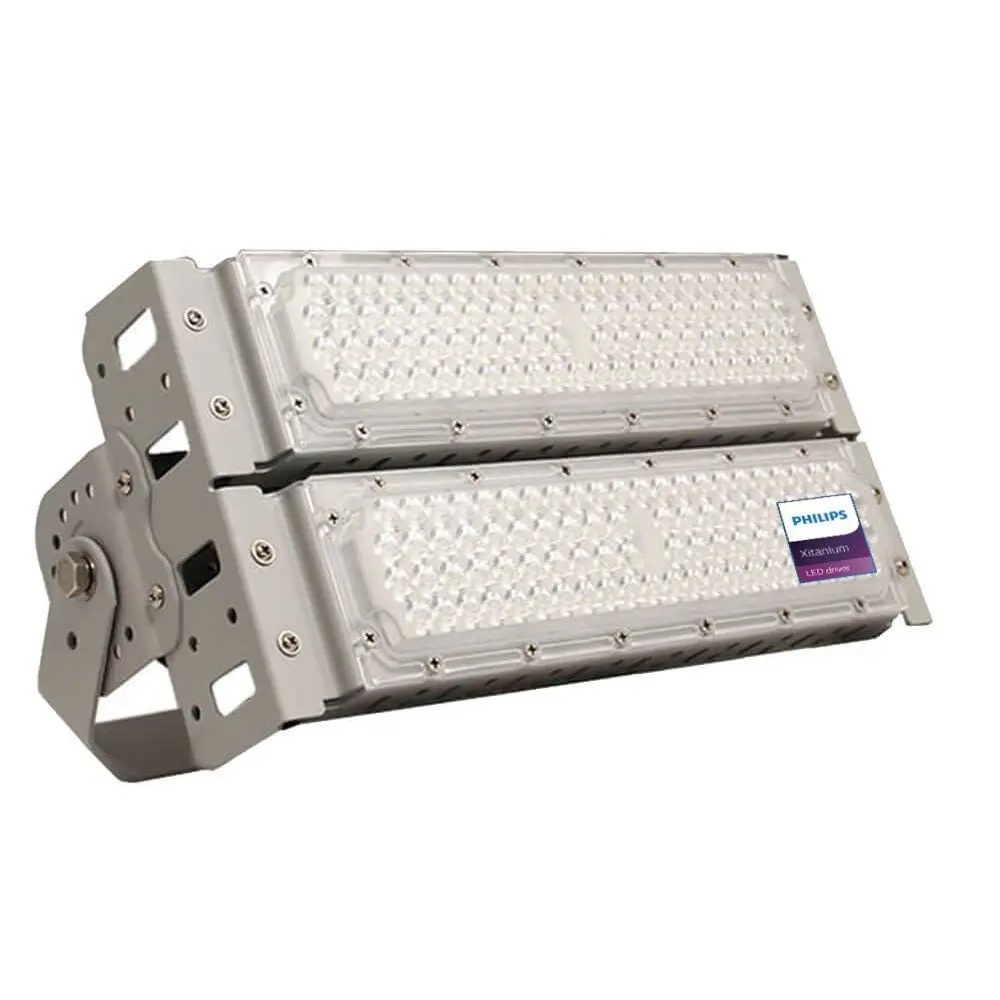
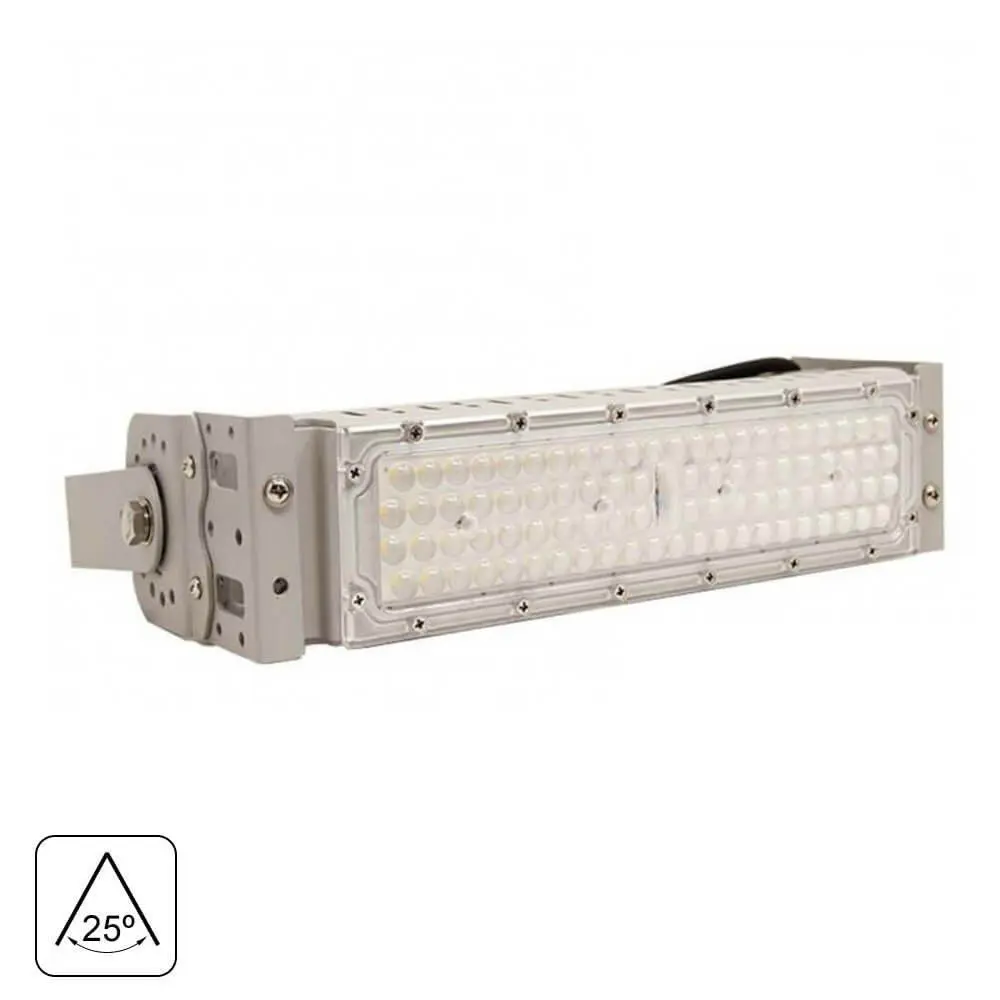
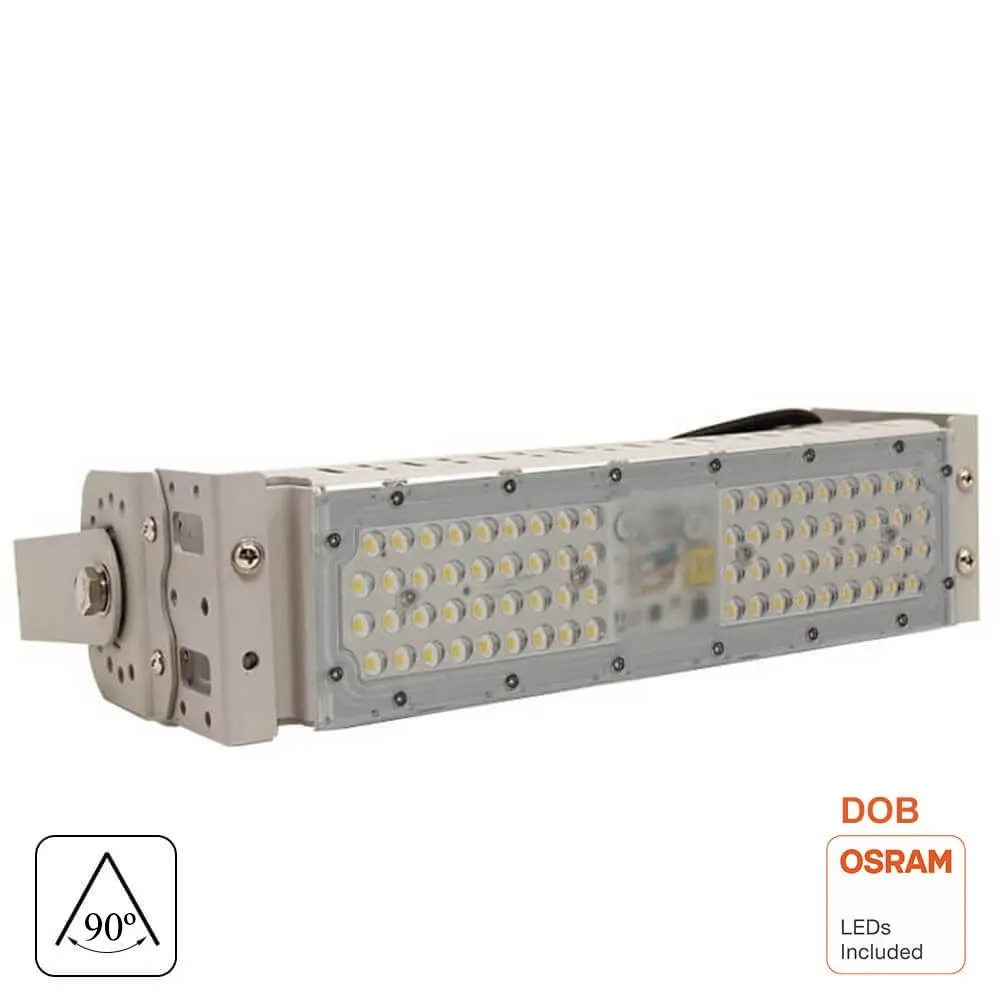
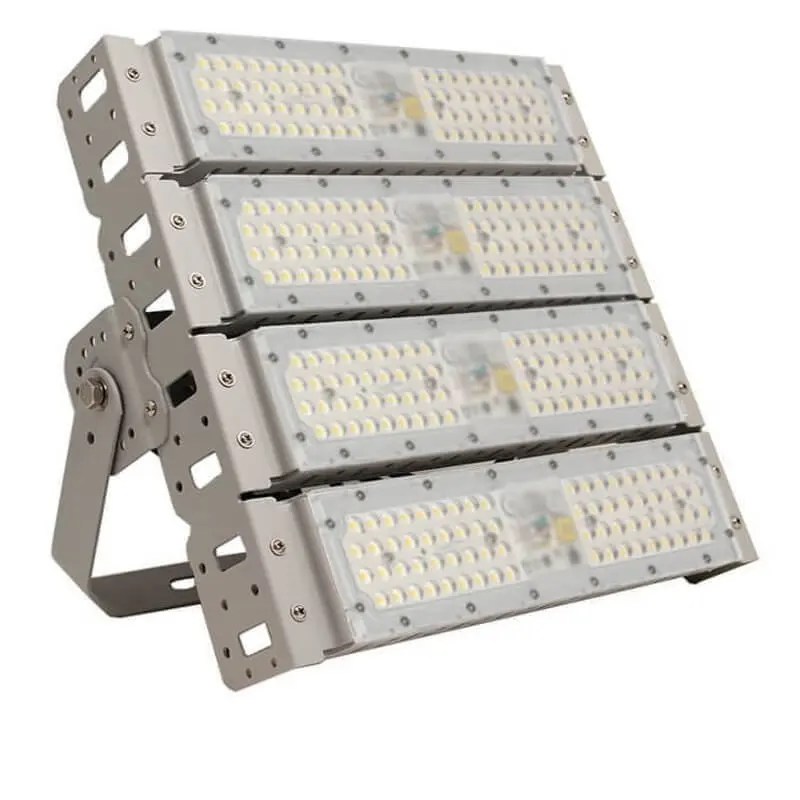
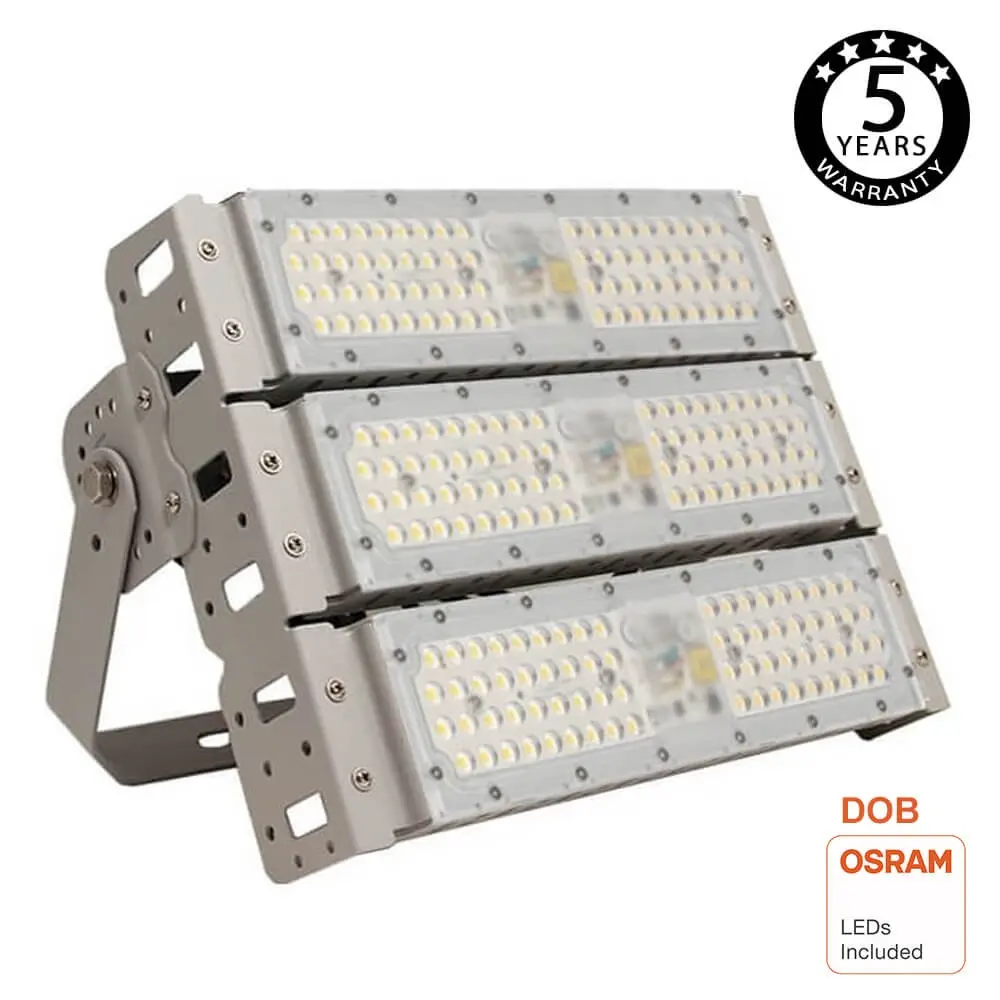
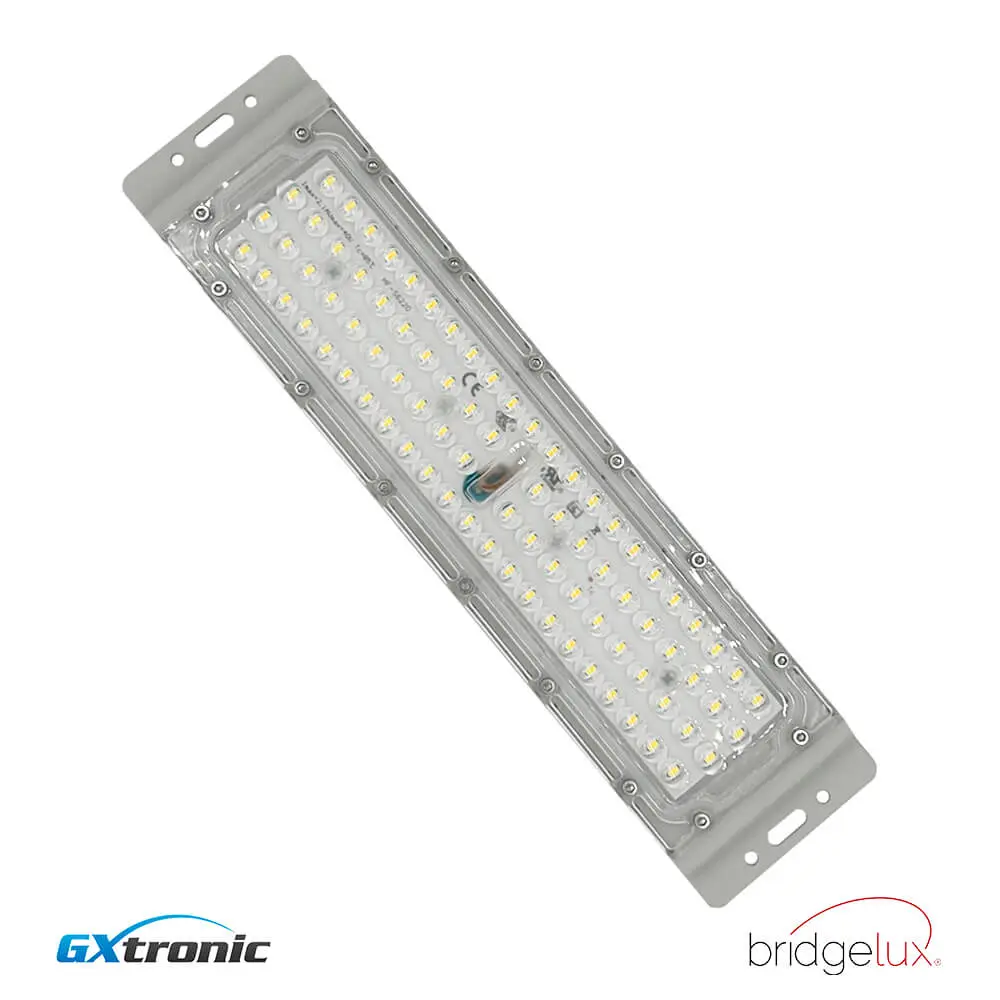
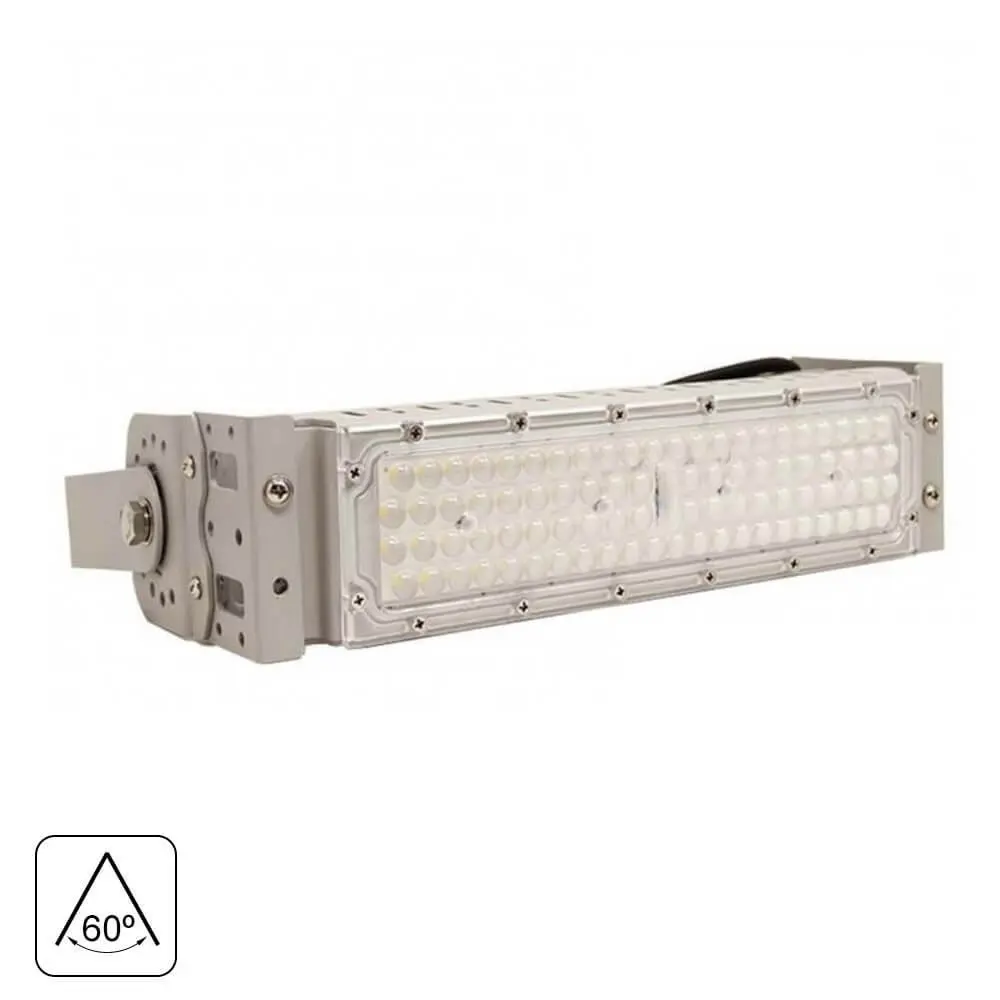
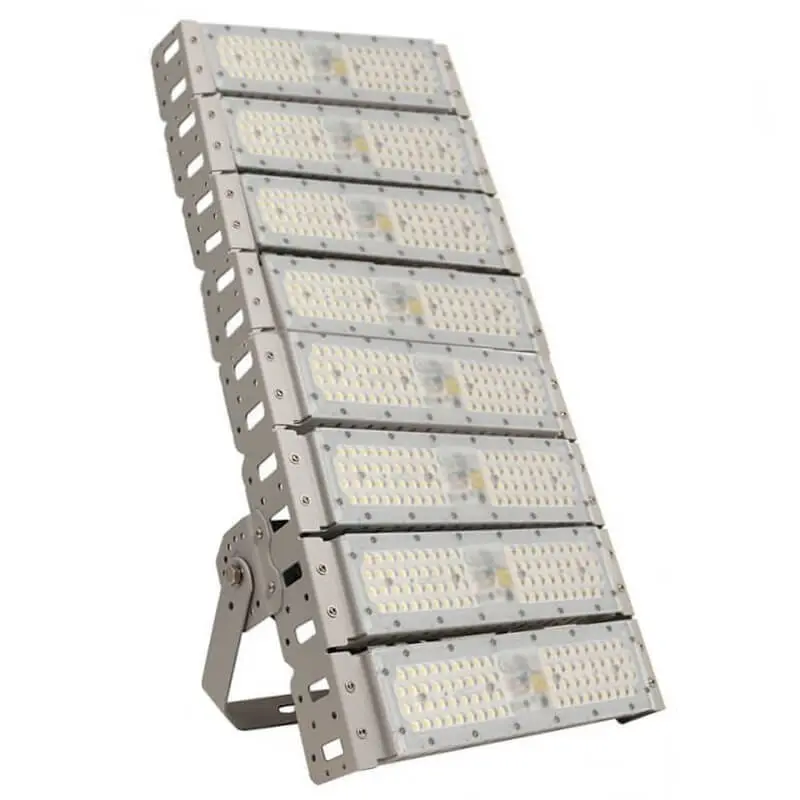
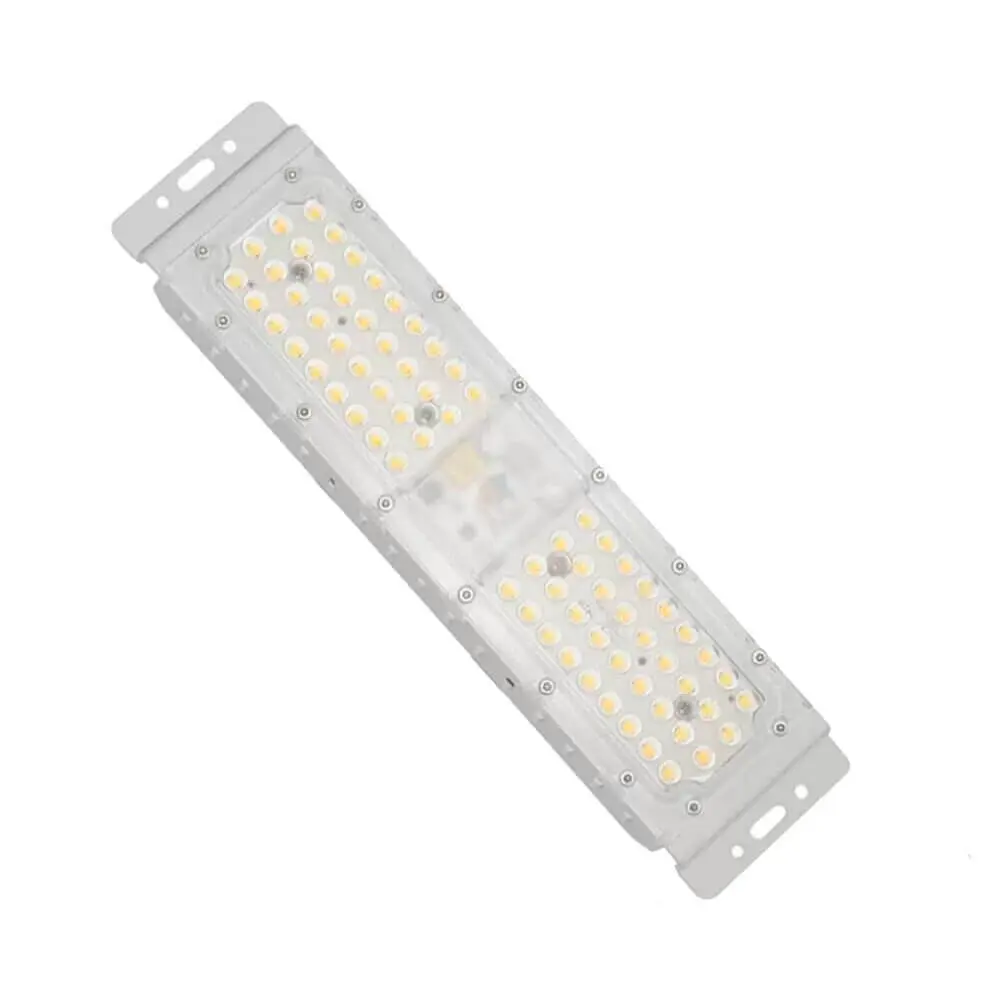
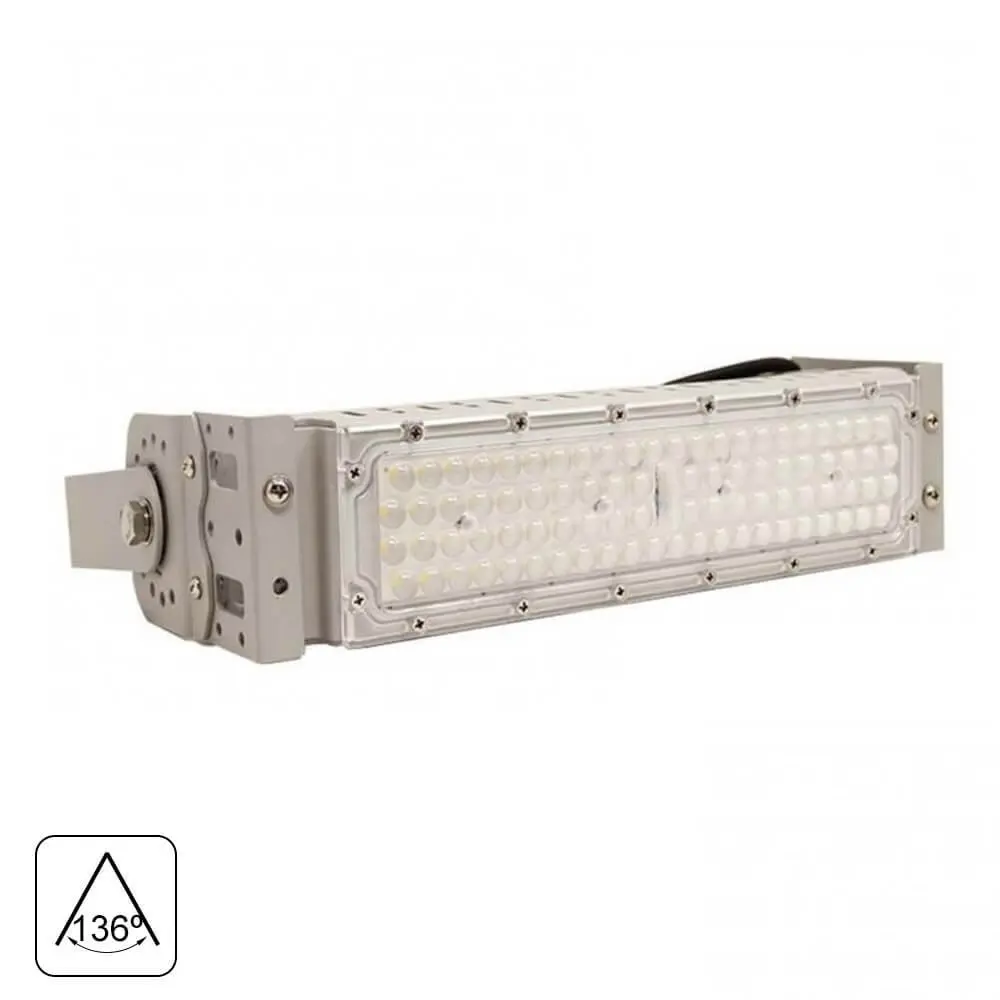
Industrial LED floodlights
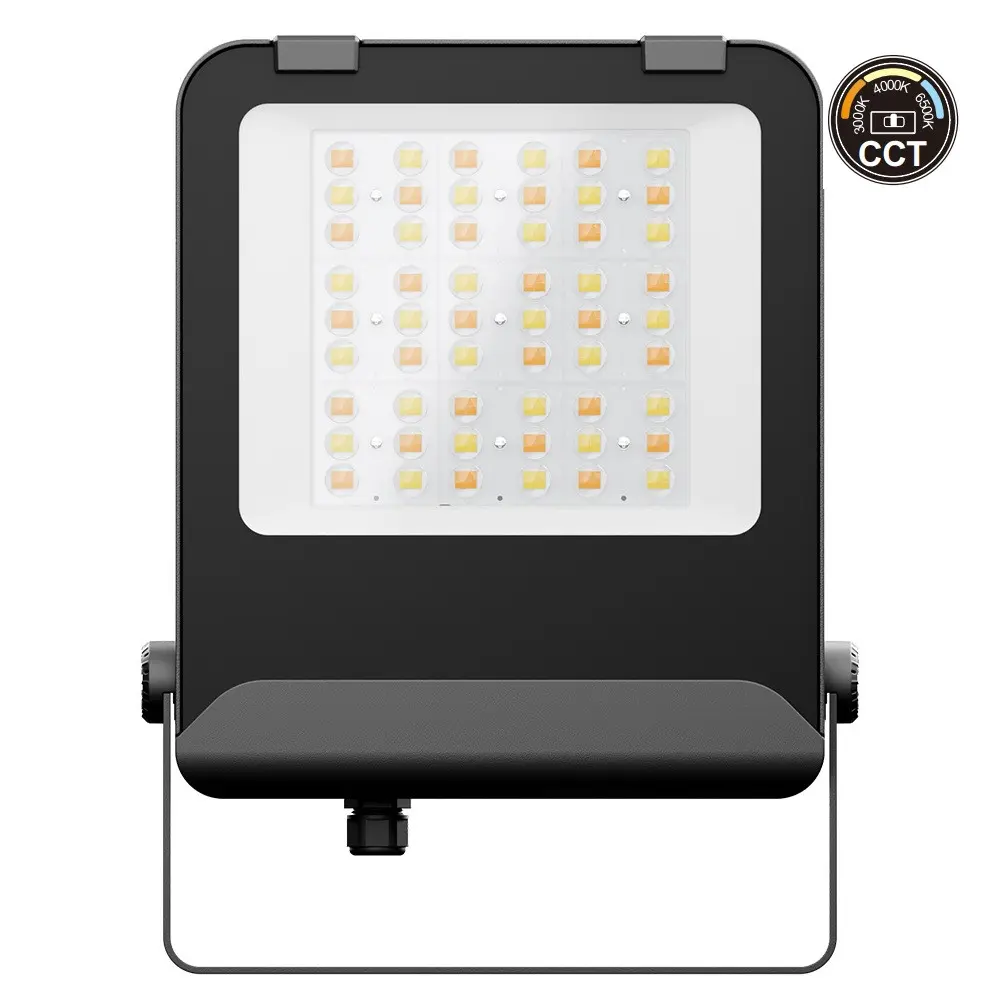
In the professional catalogue, what almost everyone calls a reflector is sold as a floodlight: a directional-beam fitting that washes a surface with light from a high mounting point. It is the answer for yards, façades, loading docks and areas with no ceiling to hang anything from.
We manufacture that range and you will find it under Floodlights, across a wide spread of wattages, with OSRAM and Lumileds chips, adjustable versions and models with motion detection. We work with trade pricing for installers, industry, architects and resellers.
Industrial LED floodlights: which floodlight suits each industrial environment
The first step is to separate two things that get mixed up every day.
The high bay hangs vertically and distributes light downwards; the floodlight is aimed and projects its output onto a surface. Inside an industrial building the former is the right choice; in the manoeuvring yard, on the warehouse façade or over a loading dock, the latter takes over.
In a typical installation the two coexist. The production floor is handled with high-mounted fittings, and everything outside the building envelope — entrances, fleet parking, loading and unloading areas — is handled with adjustable LED floodlights.
There is a third case that causes confusion: industrial buildings with overhead cranes, where the height is so great that suspending fittings is not viable. There, the fitting is mounted on the side of the structure and aimed at the working plane, which is precisely what a ceiling fitting cannot do.
And a catalogue clarification: the reflector in the strict sense also exists as an accessory. On the highest-wattage high bays there are 60º reflectors that narrow the beam to reach further down without increasing the wattage.
Power levels: when an industrial LED lamp calls for high-power LEDs
The wattage range of this family is wide, and it pays not to overdo it.
The catalogue series start at 10W for entrance signage and signs, move through 30W and 50W — the best-selling level for small yards and unloading areas — and go up to 300W for large surfaces and for mounting on tall columns.
The level is chosen by distance, not by square metres. A 50W unit at four metres gives an excellent light level; the same unit at twelve metres falls short, however much the surface area stays the same. That is why the highest level is only needed when the distance justifies it.
Oversizing has a double cost: the bill and the glare. An overpowered unit aimed low dazzles the forklift driver and the neighbours, and in some municipalities it also breaches the light pollution by-law.
That is why we always ask for the mounting height and the distance to the point to be lit before proposing a level. With those two figures, and the design of the light distribution in DIALux, we arrive at the right wattage.
IP65 and IP65 LED floodlights: industrial LED floodlights for outdoor use
There is no middle ground here: an outdoor unit that is not sealed breaks down in its first winter.
The ingress protection rating that outdoor use demands is IP65 at the very least. It means dust-tight and protected against water jets, which is exactly what a fitting mounted on a façade or a column has to withstand. Everything we offer for outdoor use meets that bar, and for immersion or pressure washing there are references rated IP67 or higher.
There is a simple test to tell whether a unit is designed for outdoor use: look at how the cable enters. If the manufacturer has dealt with that entry using a loose rubber grommet, the rest of the data sheet is irrelevant, because water will find that path sooner or later.
Sealing is not just about the housing. The cable gland, the glass gasket and the connector are the three points where water gets into cheap products. We offer IP68 waterproof connectors as an accessory precisely to solve outdoor connections.
In harsh weather conditions — coastal sites with salt spray, freezing cold with ice, areas prone to hail — the body material matters as much as the IP rating. Die-cast aluminium with outdoor-grade paint withstands what plastic cannot.
It is also wise to plan for access. A fitting placed where it can only be reached with an access platform makes any future work more expensive, and some installations are better solved with a mid-height bracket aimed upwards. It is the kind of decision that takes five minutes over the plan and cannot be put right afterwards.
A well-specified unit lasts for years without being touched; a poorly chosen one means bringing up the access platform every season, and that visit costs a good deal more than the fitting being replaced.
Optics, beam angle and types of lighting: LED light that distributes well
The wattage tells you how much; the optic tells you where.
Two philosophies coexist here. A wide beam washes the entire surface and is what a yard or a façade needs; a narrow beam concentrates the light and is what a high mounting point needs to reach a long way. We have series designed for the former, with a wide beam, and accessories to narrow the distribution when required.
The goal is uniform lighting: the ratio between the darkest point and the average must not collapse at the edges. This is achieved by spreading several units rather than placing one huge unit in the centre, which is the most common mistake in yards.
Aiming deserves a paragraph of its own. Tilting the fitting more than necessary sends part of the output into the sky, where nobody benefits from it and where, in quite a few municipalities, it is restricted by by-law. Lowering the angle and bringing the mounting point closer to the area to be covered gives the same result on the ground with less installed power and without bothering the neighbours.
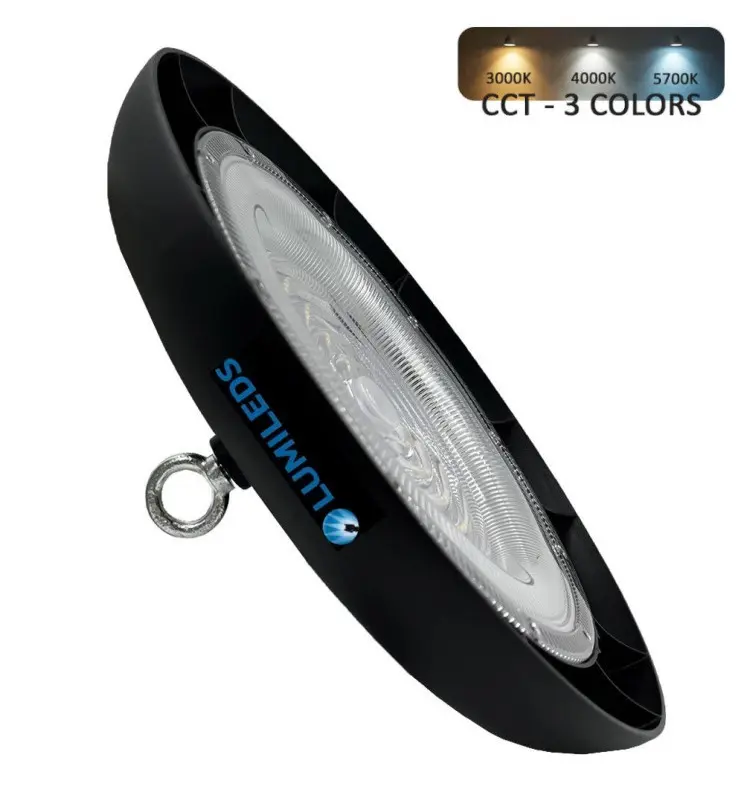
Colour temperature also comes into the calculation. The series are available in 4000K neutral and 5700K cool white, and there are CCT-selectable versions with a switch on the unit. For work and manoeuvring areas, neutral white; for access control and security cameras, cool white helps give the image contrast.
That well-aimed LED light is what determines the real light level on the ground, and that is what we measure when we carry out a lighting study. The brightness a brochure advertises without an angle or a distance means nothing.
High-performance industrial luminaires: chip, driver and durability
The price difference between two units of the same wattage is almost always on the inside.
The chip comes first. We work with OSRAM DURIS E2835 and with Lumileds depending on the series, and the stated efficacy of the range is around 140 lm/W on the sensor models. That efficacy is what allows installed power to be reduced while maintaining the light level.
The driver comes second, and it is where cheap products fail. A stable driver introduces no flicker, rides through the micro-outages of an industrial power supply and does not degrade in the heat of a façade in full August sun.
The body comes third. We manufacture with high-quality materials: heat-dissipating aluminium, tempered glass and gaskets that do not crack, and you notice the difference after three winters. That is what underpins the long service life of the unit and the warranty we give in writing.
With this type of product, maintenance weighs more than the purchase. A fitting that lasts five seasons without intervention works out cheap even if it costs more on day one, because every replacement at height means a platform, an operative and shutting down the area.
And there are accessories that extend the life of the whole system: surge protectors stop a storm from wiping out half the installation, and in industrial areas with an unstable power supply they are practically essential.
Floodlights, industrial lamps and E27 replacements
It is worth giving each item its proper name, because the same term means different things depending on who uses it.
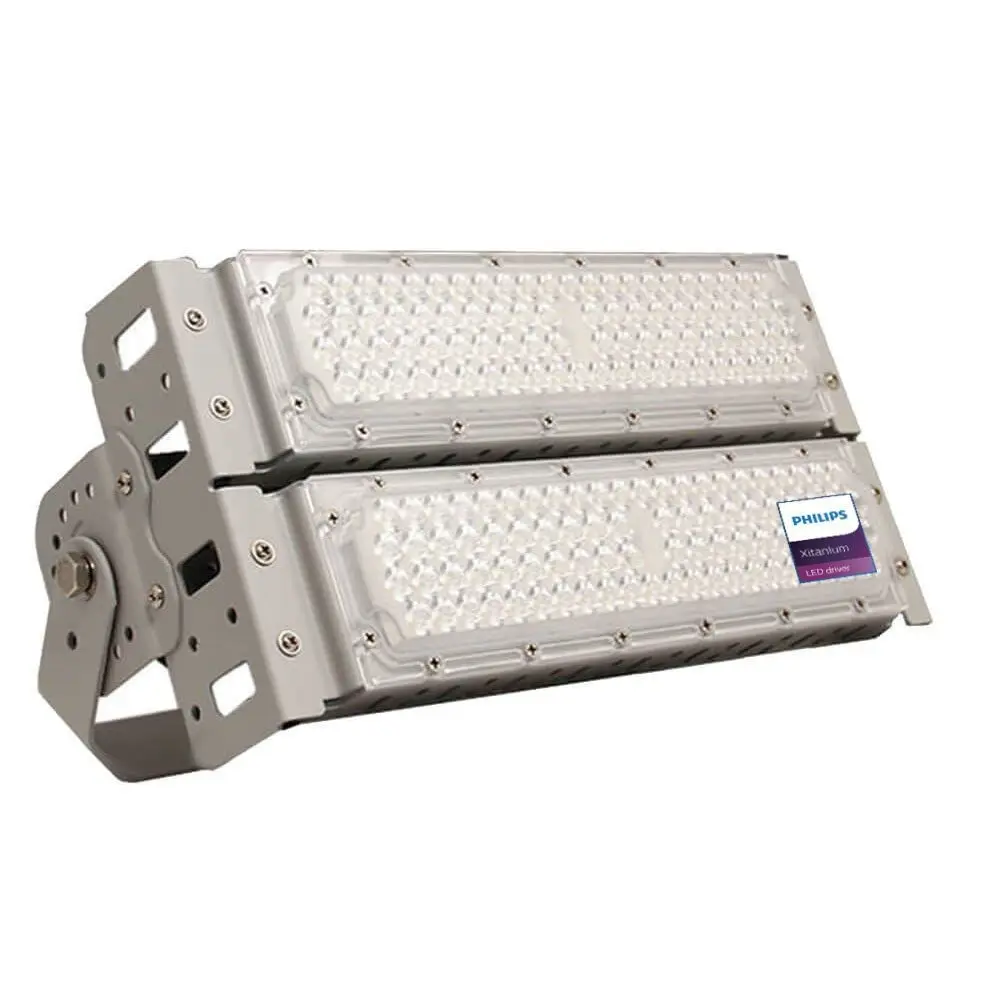
The industrial floodlights in our range are the adjustable ones: aluminium body, mounting bracket and the option of fixing them to a wall, the ground or a column. They are the ones used outdoors and indoors in large spaces.
Industrial LED floodlights with a built-in sensor handle entrances and rear areas where there is no point having lights on all night. The 30W and 50W versions with PIR switch on when they detect presence and switch themselves off, cutting costs without leaving the area in darkness.
The lamp-base replacement is something else: the E27 base directly replaces the old discharge lamp when the fitting is still serviceable. That lamp is the cheapest option when the housing is fine but the gear inside is not.
Beyond this family, the industrial catalogue covers the remaining cases on their own pages. For a high-ceiling industrial building the answer is the high bay: LED high bays and the industrial high bay with sensor handle vertical lighting beyond dispute. For damp corridors and cold rooms there are Weatherproof Battens, because these LED weatherproof battens withstand pressurised water better than any other format. For roads, car parks and vehicle access routes, LED Street Lights. And when the existing fitting is still serviceable and it is the inside that has failed, simply change the bulb: E27 industrial bulbs are the direct replacement and the cheapest way to make the switch without touching the luminaire.
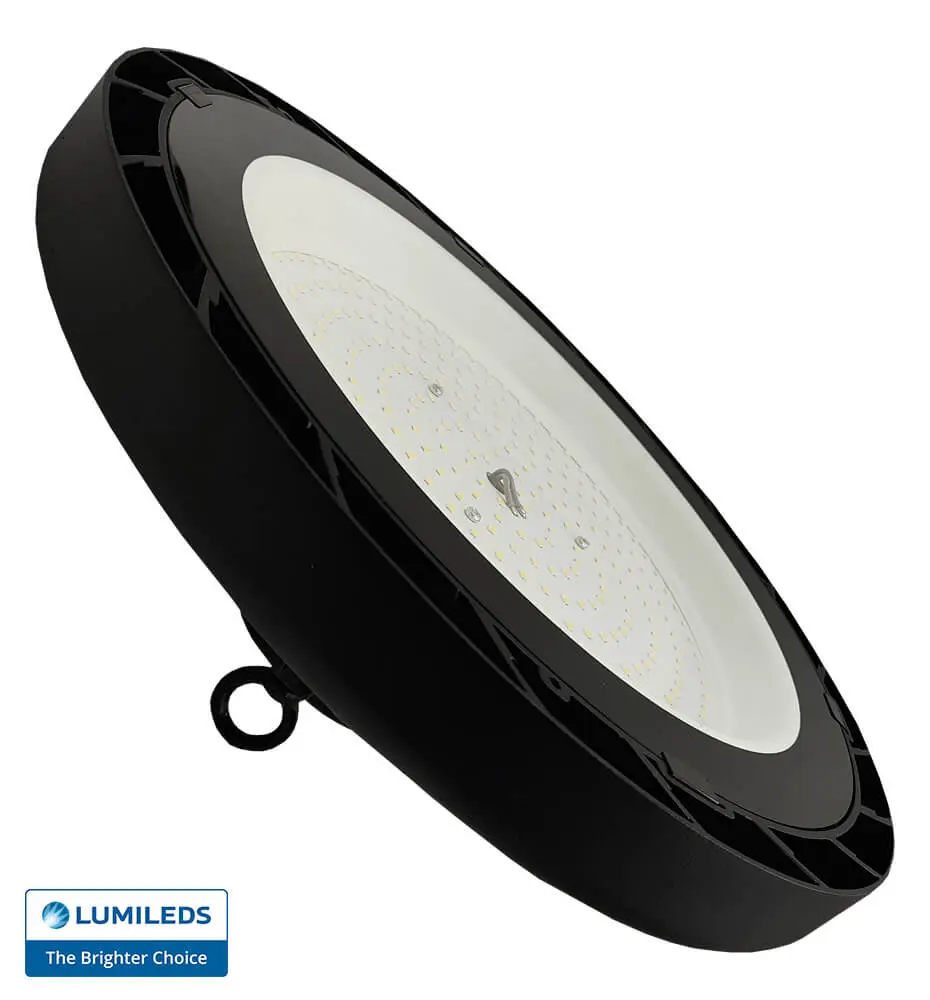
Between these families, almost any industrial application other than a high-ceiling building is covered. For that there is the UFO LED High Bay, which is where the industrial LED high bay with 60º, 90º and 120º optics fits in.
In complete logistics installations all four end up being combined: high bays inside, floodlights outside, linear fittings in aisles and replacement lamps in what is already there.
Buying industrial LED floodlights: energy efficiency and LED technology
This is where the purchase is decided.
We have been a manufacturer since 2015, based in Pinto (Madrid), and we specify the LED technology we fit ourselves rather than buying it off the shelf. That is what sustains the standard of the range and what lets you restock two years from now with the same colour tone and the same finish.
These units are sold on business terms. With trade pricing activated you buy at wholesale level: automatic volume discounts, a personalised catalogue with your details, blind shipping if you resell and dropshipping connected to your shop. You apply for an account with your company or self-employed documentation.
As for payback, the maths is simple. Replacing old metal halide with LED in a yard cuts the electricity bill from the first cycle, and the overall energy efficiency improves if detection is added. That low energy consumption is the argument that convinces a finance department, long before any brochure.
In a complete installation the families are bought together: floodlights for outdoor areas, high bays for the building and linear fittings for aisles. You will find the indoor range under Indoor Industrial Lighting and the outdoor lighting solutions under Outdoor and Garden. These lighting products come from the same manufacturer, so they match in colour tone and in warranty.
In large industrial spaces and open-plan large spaces, the project is divided into zones, and that lighting for industrial buildings is calculated with the plan in front of you, not by eye. Our units and the replacement industrial LED lamps come from the same catalogue, so complete industrial LED lighting arrives in a single shipment, which is exactly what a project with deadlines needs. We prepare that project LED industrial lighting with the plan in front of us. And it is worth remembering: well-designed industrial lighting is not about buying the most powerful fitting, but about distributing the ones you need properly.
If you want optimum performance for your lighting needs, send us the yard plan with the available mounting height. We prepare the lighting installation on paper, with area lighting distributed point by point, and send you back the bill of materials. Email us at uk@factorled.com or call 91 805 67 67.
Frequently asked questions
How many units do I need for a manoeuvring yard?
It depends on the mounting height and the distance to the furthest point, not on the square metres. With the plan and the available height, we send you back the layout and the wattage for each point.
Can I mount them on the façade of the industrial building?
Yes, it is the most common installation, using an adjustable wall bracket. Take care with the angle so as not to dazzle forklift drivers or send light into the sky, which is regulated in many municipalities.
What is the difference between a model with a sensor and one without?
The sensor model has integrated PIR detection and only switches on when presence is detected. It pays off at entrances, rear areas and walkways; in a yard with continuous activity, it adds nothing.
Do they hold up in coastal areas?
The most demanding conditions are handled with an aluminium body with outdoor-grade paint and a gasket in good condition. In salty environments, it is advisable to check the sealing once a year and use a waterproof connector at the joint.
Are they also suitable for indoor use?
Yes, as long as they are side-mounted or aimed. Inside a high-ceiling industrial building, a high bay is the logical choice, but in buildings with overhead cranes or an exposed structure, a floodlight mounted on the side solves what a suspended fitting cannot.
How are they fixed to a column?
With an adjustable bracket and clamp, or with an arm if they need to stand off from the mast to gain angle. The key is that the fixing withstands wind: a fitting with a large surface acts like a sail, and that load is transmitted in full to the support.
Can you supply large quantities in one go?
Yes. We manufacture a large part of the range and keep stock of the project series, so we can supply volume and guarantee subsequent restocking.
Send us the mounting height and the area to be covered, and we will send you back the point layout, the wattage of each of the industrial LED floodlights required and the quote with your pricing already applied.
Más en Industrial LED Lighting