

Private Office Lamp
121 productos
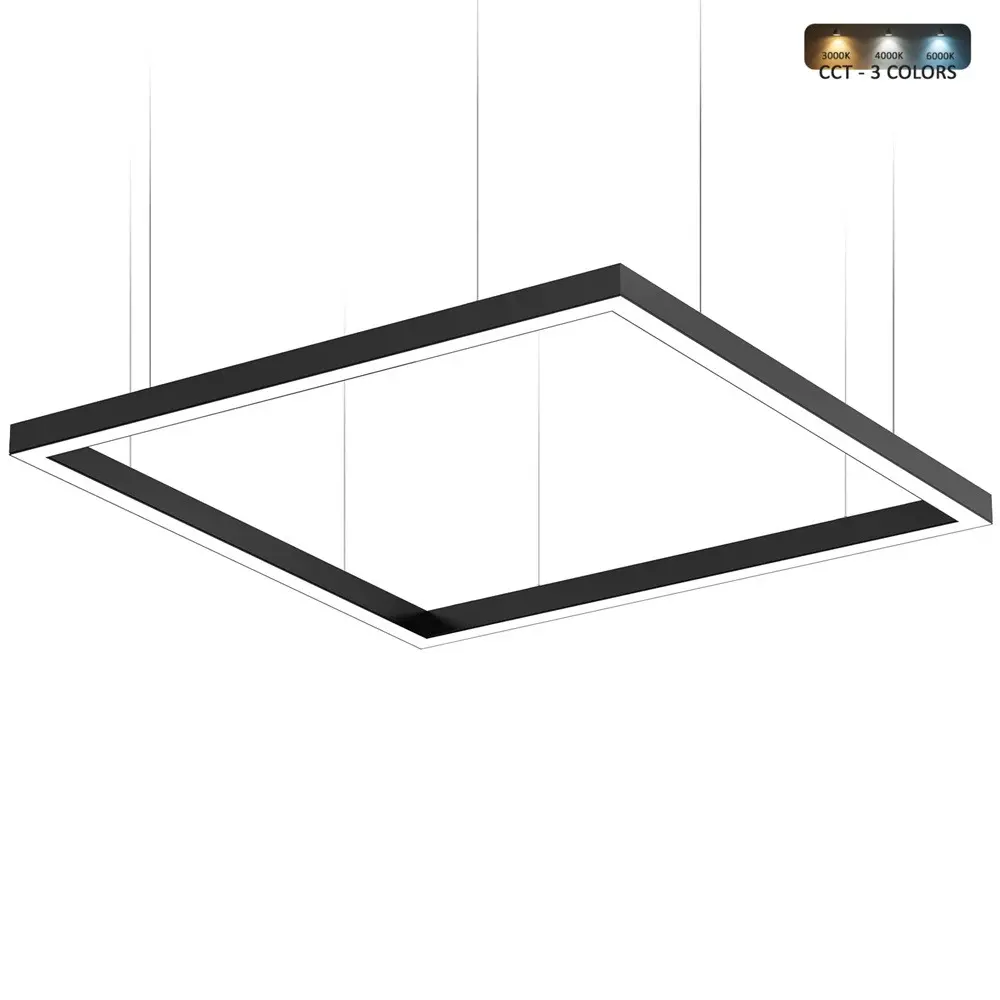
Square LED Pendant Lamp 200W POLARIS | 3CCT | 150x150cm
321,90 €
VAT included
Ref: LN200W-3CCT
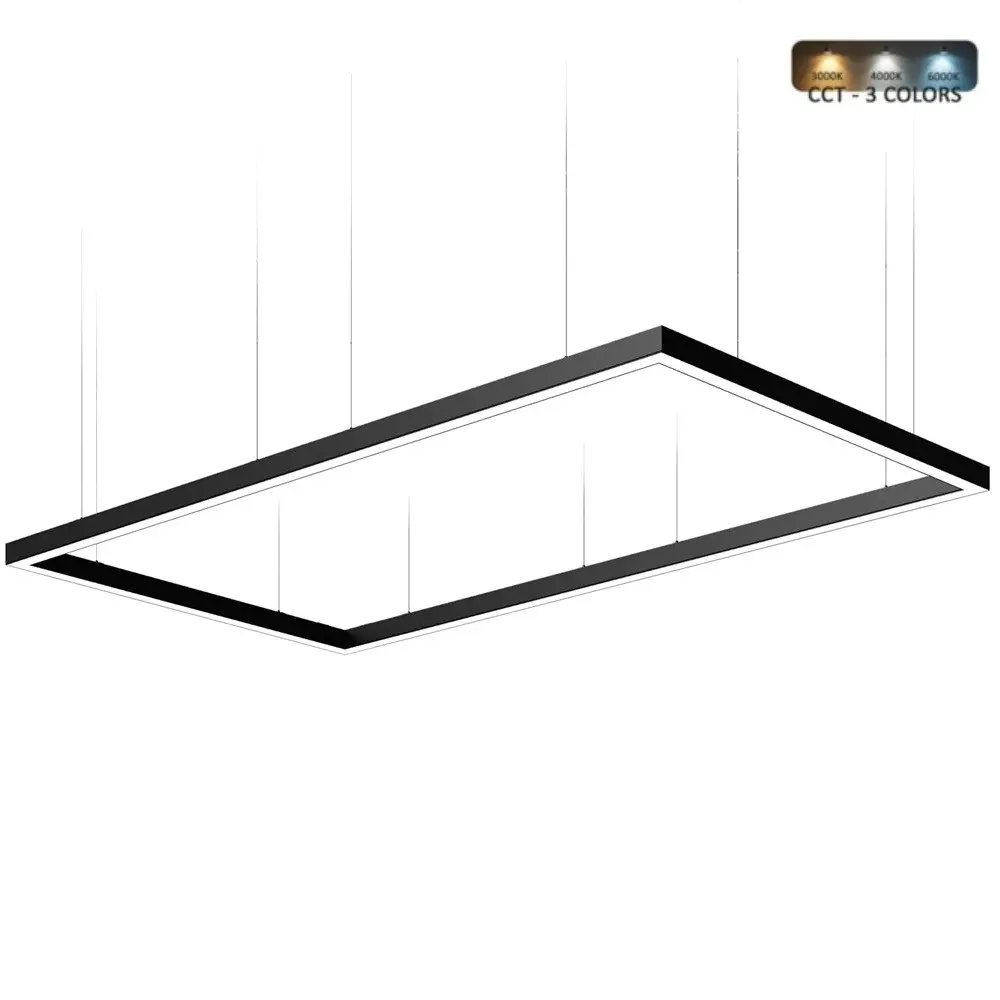
Rectangular LED Pendant Lamp 220W POLARIS | 3CCT | 180x150cm
345,73 €
VAT included
Ref: LN220W-3CCT
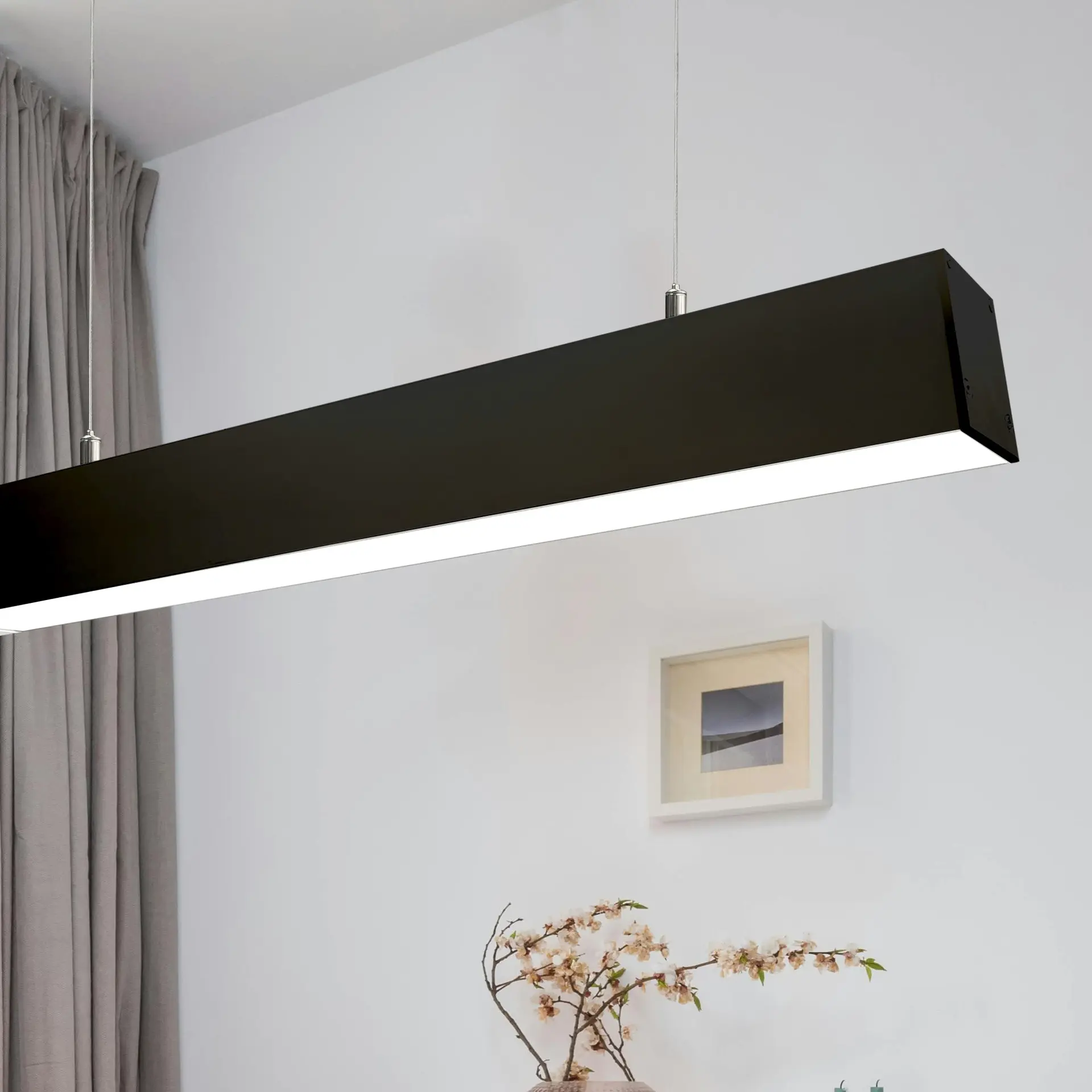
Linear LED Pendant Lamp | NEXUS LINE | Osram Driver ON/OFF - DALI - 0-10V - TRIAC | Black
153,98 €
VAT included
Ref: LNOSR-BK
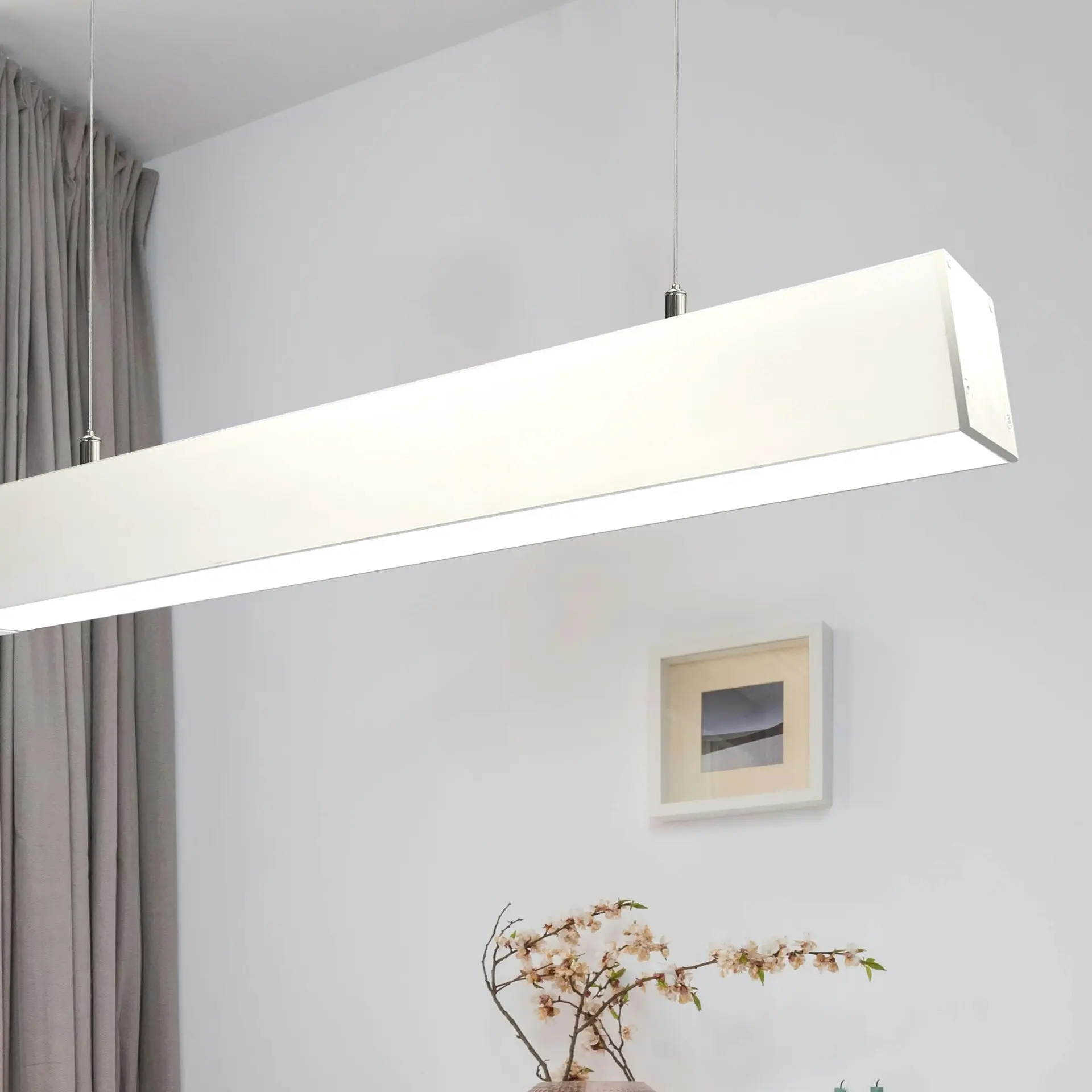
Linear LED Pendant Lamp | NEXUS LINE | Osram Driver ON/OFF - DALI - 0-10V - TRIAC | White
153,98 €
VAT included
Ref: LNOSR-WH
Linear LED Pendant Lamp | NEXUS LINE | Osram Driver ON/OFF - DALI - 0-10V - TRIAC | Anodized
153,98 €
VAT included
Ref: LNOSR-AD
Linear LED Pendant Lamp 40W | POLARIS | Linear Interconnection | 3CCT | 120cm
68,50 €
VAT included
Ref: LN40W-3CCT-92087
Linear LED Pendant & Surface Lamp 20W | POLARIS | Linear Interconnection | 3CCT | 60cm
49,90 €
VAT included
Ref: LN20W-3CCT-91431
Linear LED Pendant & Surface Lamp 20W | POLARIS WHITE | Linear Interconnection | 3CCT | 60cm
46,49 €
VAT included
Ref: LN20W-WH-91418
Linear LED Pendant & Surface Lamp 50W | POLARIS WHITE | Linear Interconnection | 3CCT | 150cm
69,90 €
VAT included
Ref: LN50W-WH-91417
Linear LED Pendant & Surface Lamp 40W | POLARIS WHITE | Linear Interconnection | 3CCT | 120cm
68,50 €
VAT included
Ref: LN40W-WH-91416
Linear LED Luminaire | EASY CONNECT | 2 Meters | 26W 12V | Professional Custom Solution
39,91 €
VAT included
Ref: EC26W
Linear LED Pendant Lamp 40W VISION | 350º Adjustable Ends | PIR Sensor | 1-10V Dimmable | 150cm
169,90 €
VAT included
Ref: LNA40W-NW-92090
Linear LED Pendant & Surface Lamp 50W | POLARIS | Linear Interconnection | 3CCT | 150cm
69,90 €
VAT included
Ref: LN50W-3CCT-92088
LED Linear Fixture - ARTISTIC - 12W - OSRAM CHIP - Exclusive Customizable Ceilings - 60cm
14,99 €
VAT included
Ref: SBOSR12W
Linear LED Fixture 24W - STELLAR - Interconnectable - 60cm
24,14 €
VAT included
Ref: LN24W
Linear LED Fixture - RICARDO Azure Blue - 0.5m - 1m - 1.5m - 2m
96,65 €
VAT included
Ref: R-17052
Linear LED Fixture - RICARDO Ivory - 0.5m - 1m - 1.5m - 2m
96,65 €
VAT included
Ref: R-17059
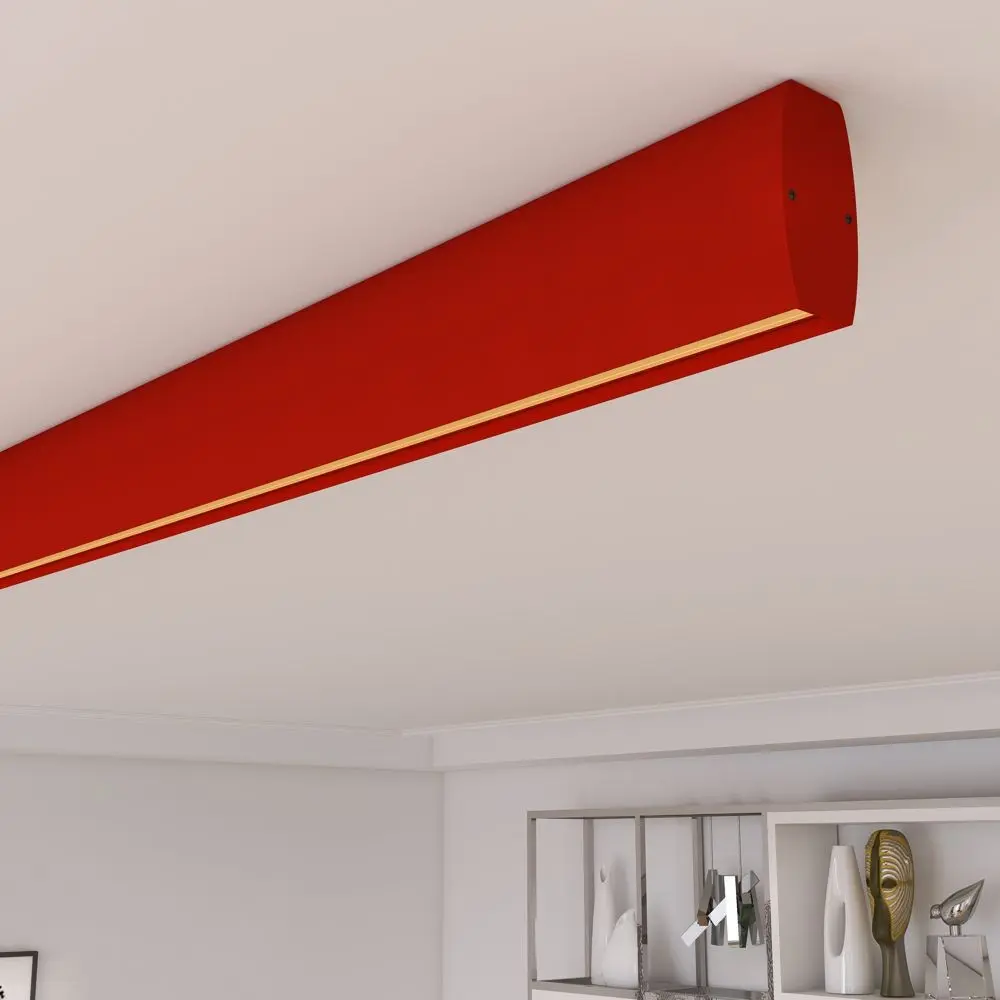
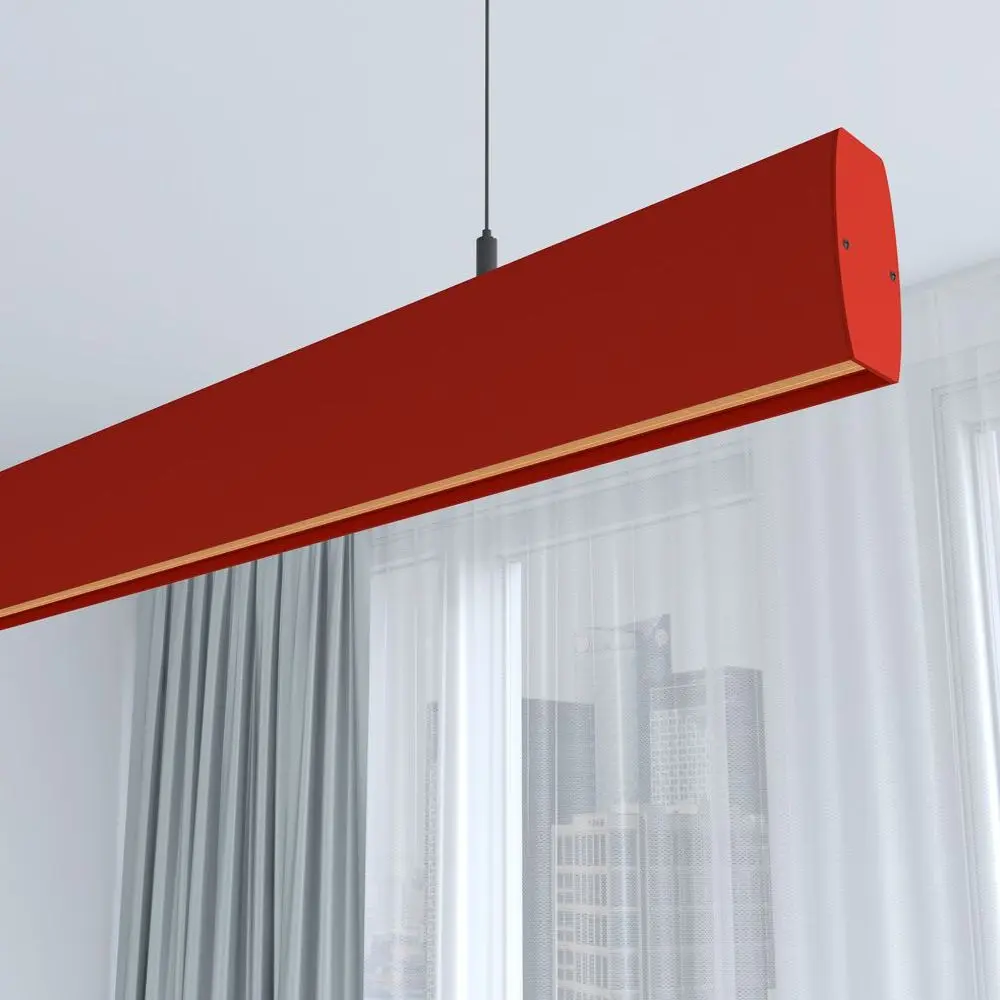
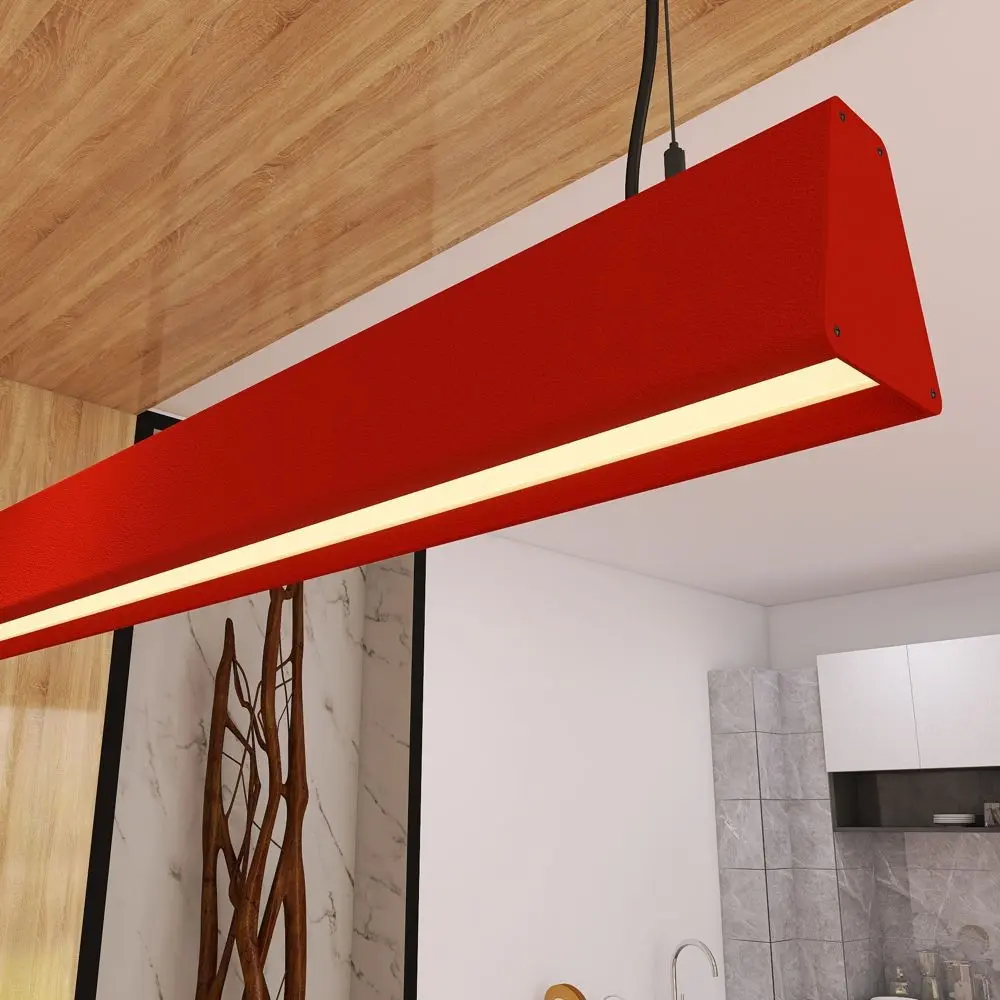
Linear LED Fixture - RICARDO Tomato Red - 0.5m - 1m - 1.5m - 2m
96,65 €
VAT included
Ref: R-17058
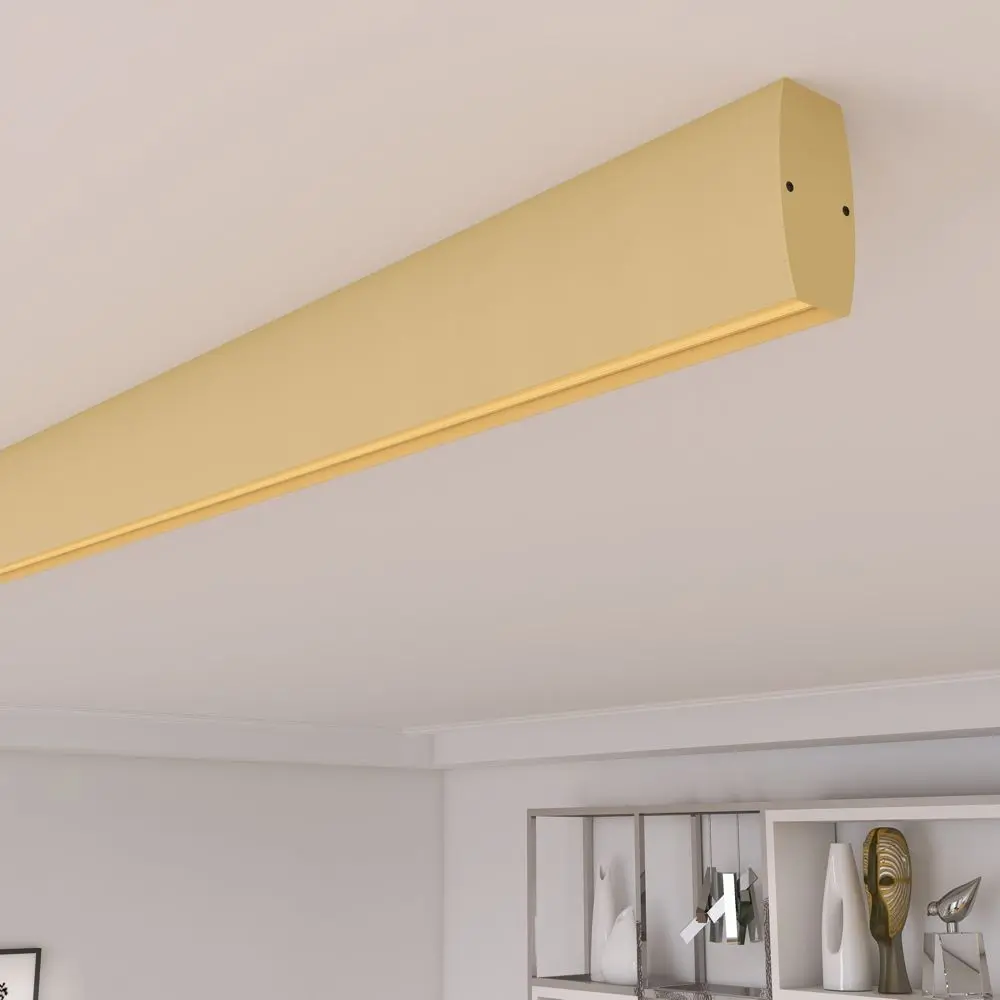
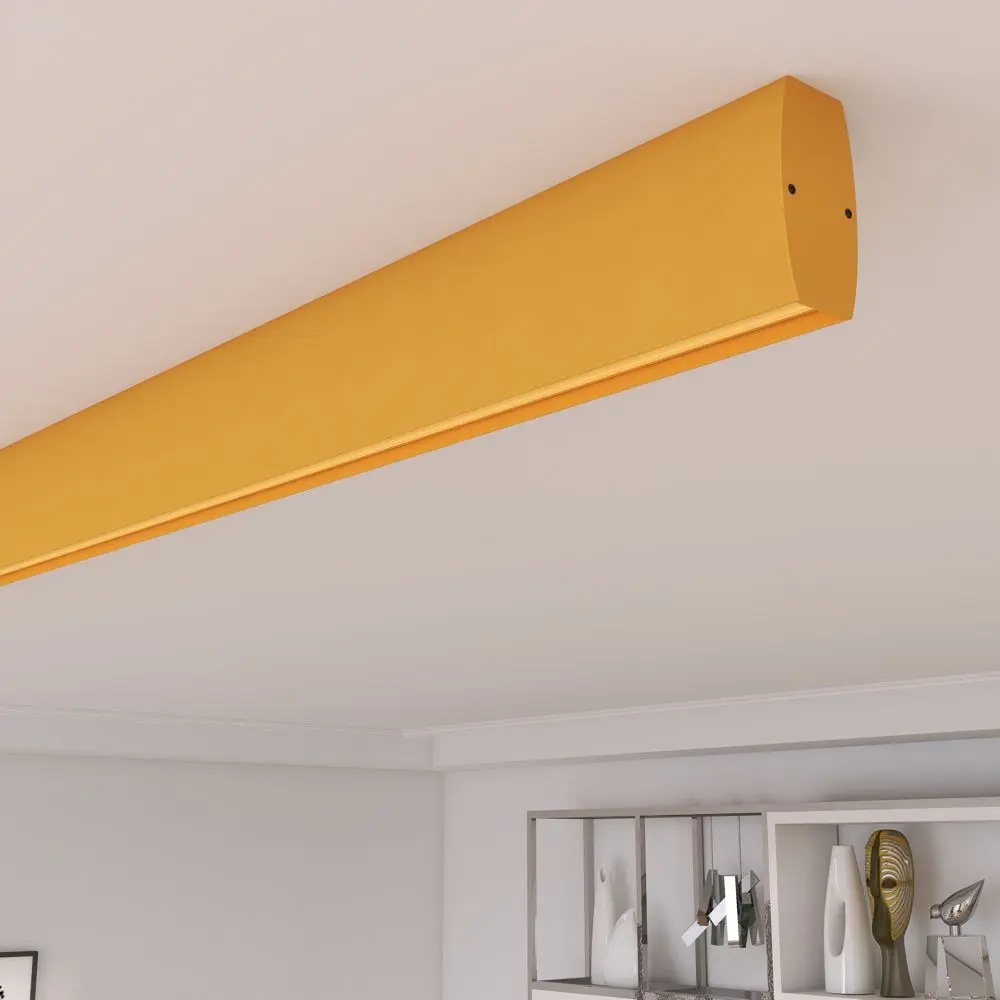
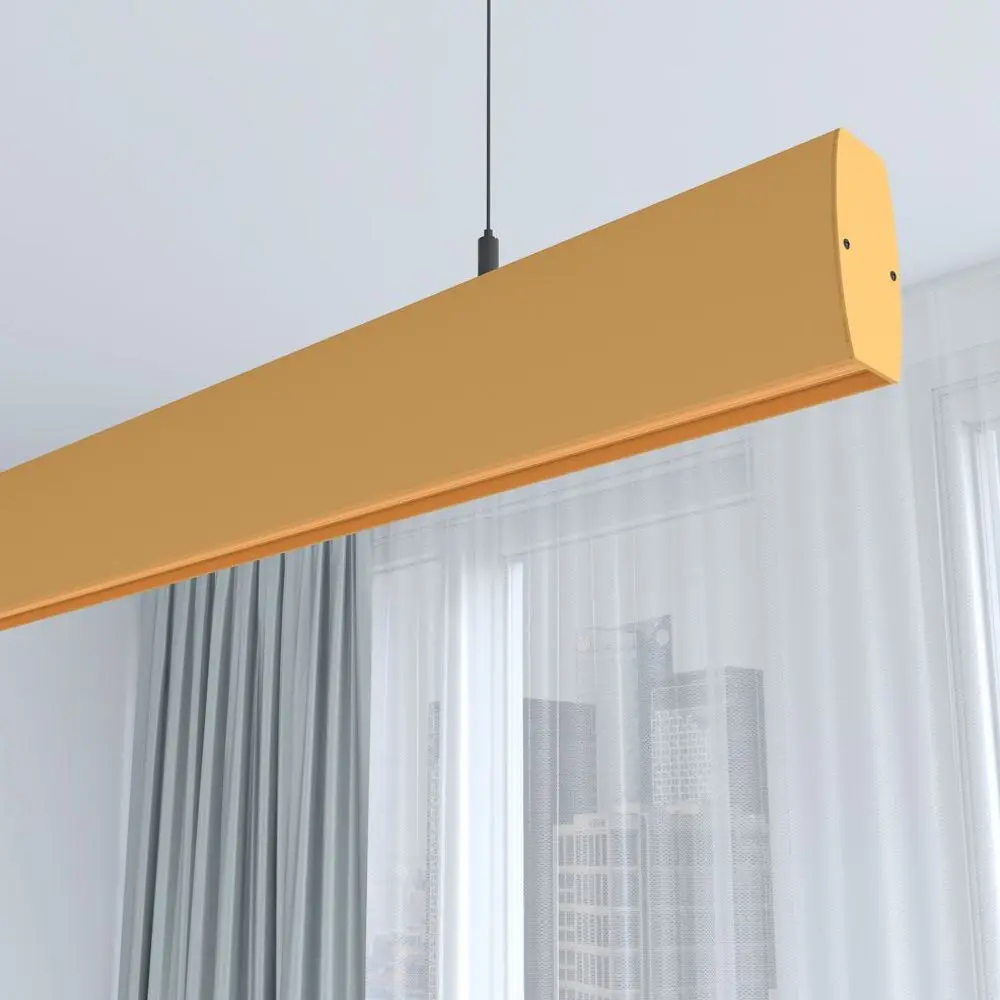
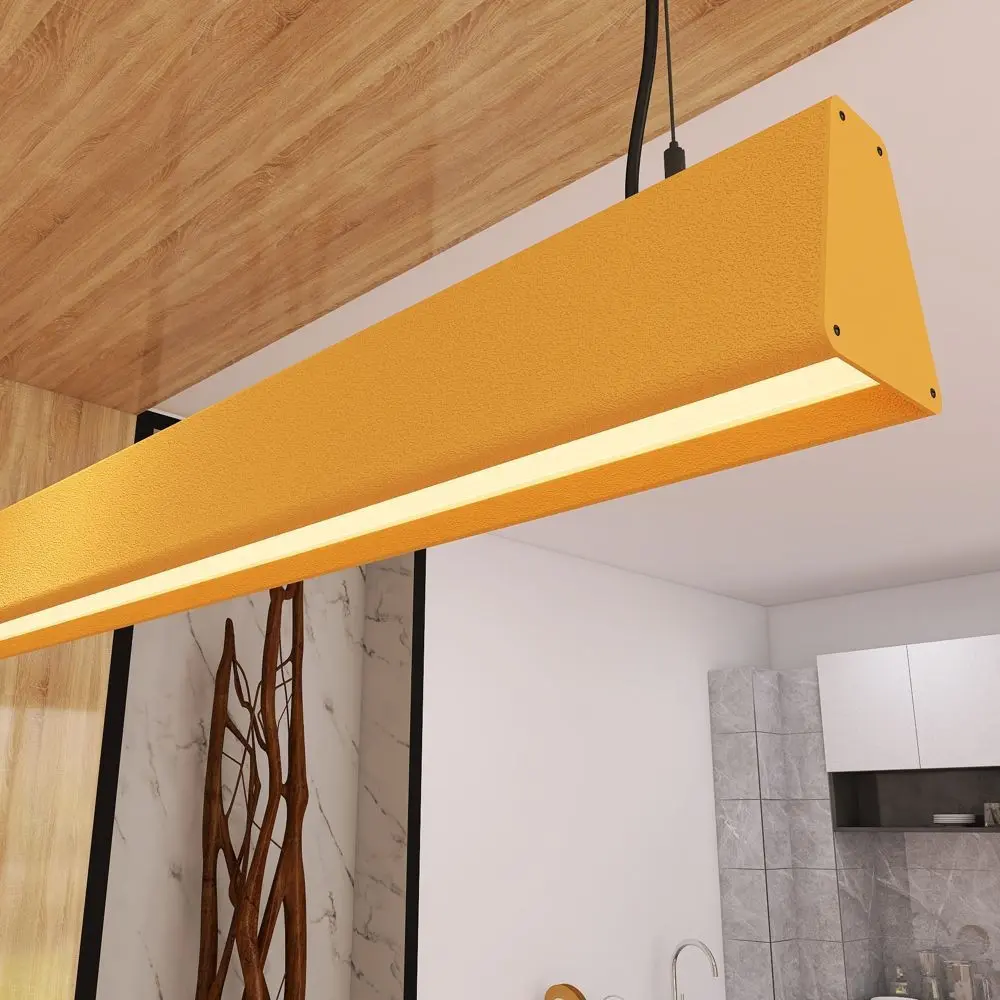
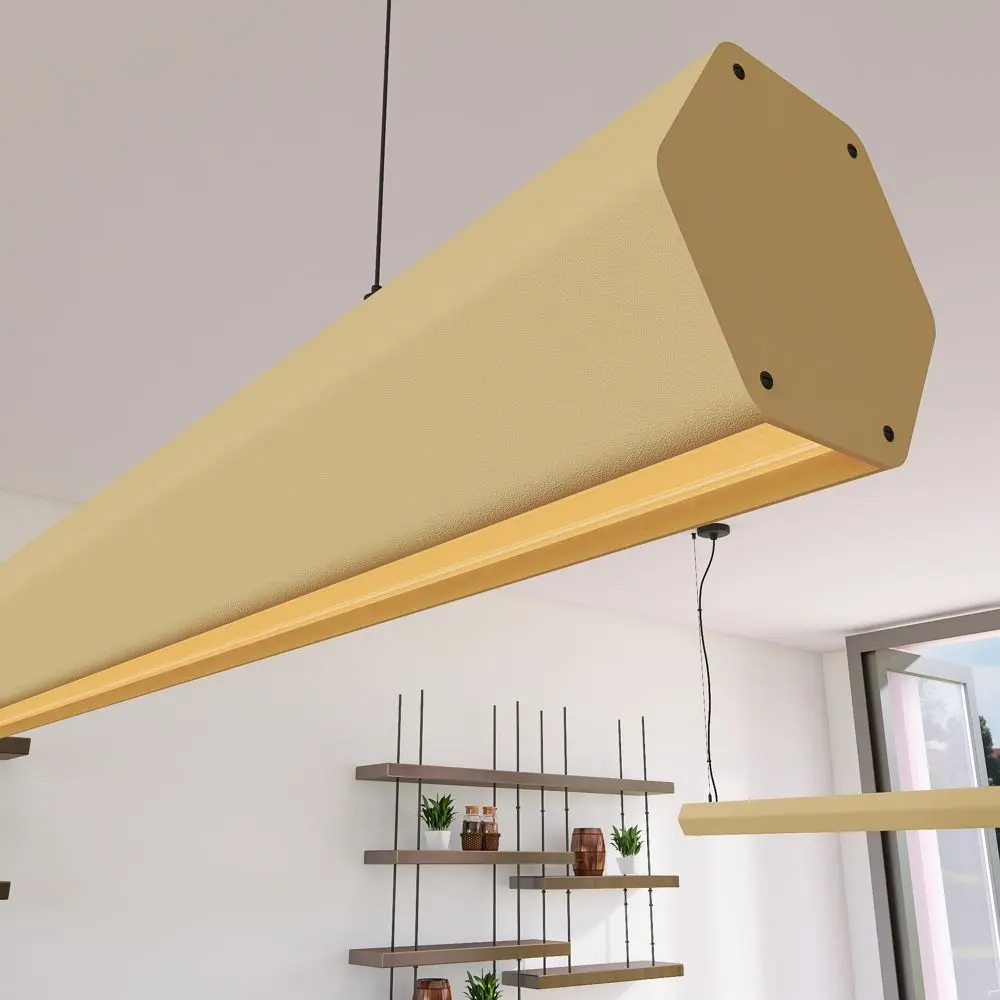
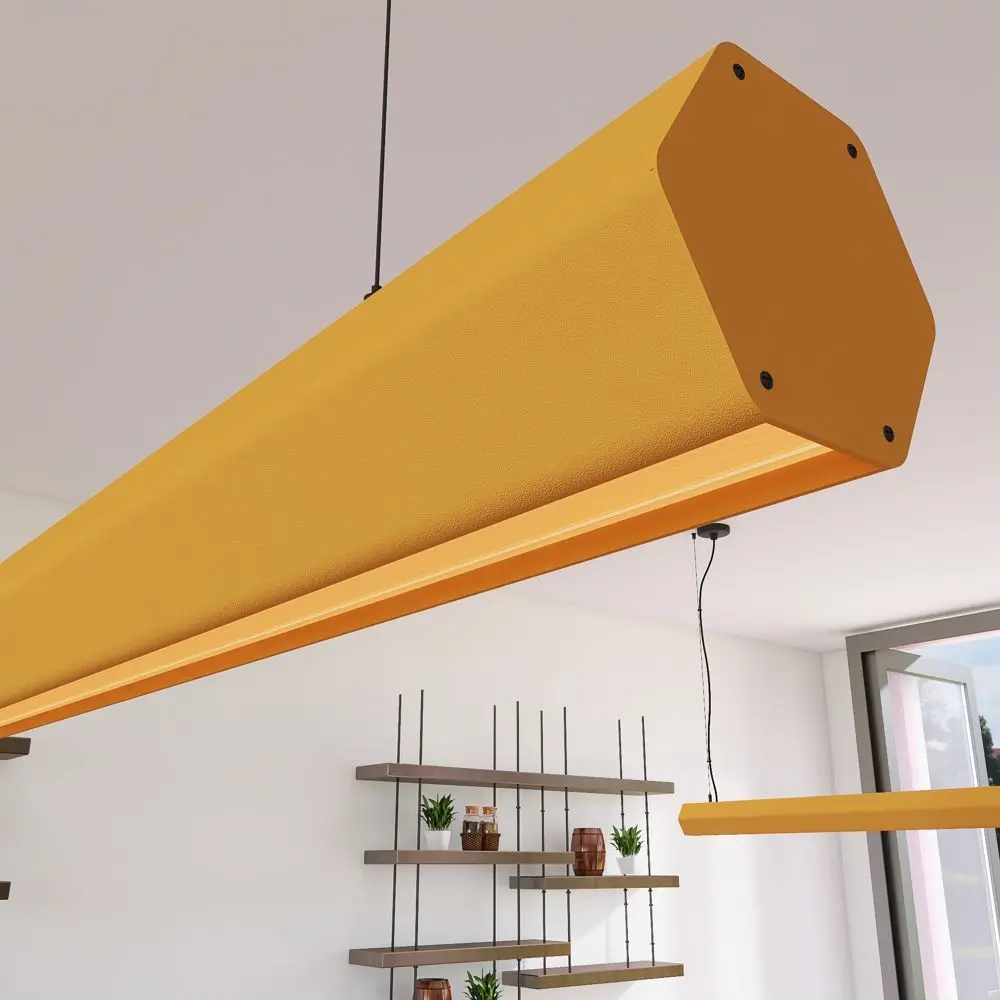
Linear LED Fixture - RICARDO Pastel Yellow - 0.5m - 1m - 1.5m - 2m
96,65 €
VAT included
Ref: R-17057
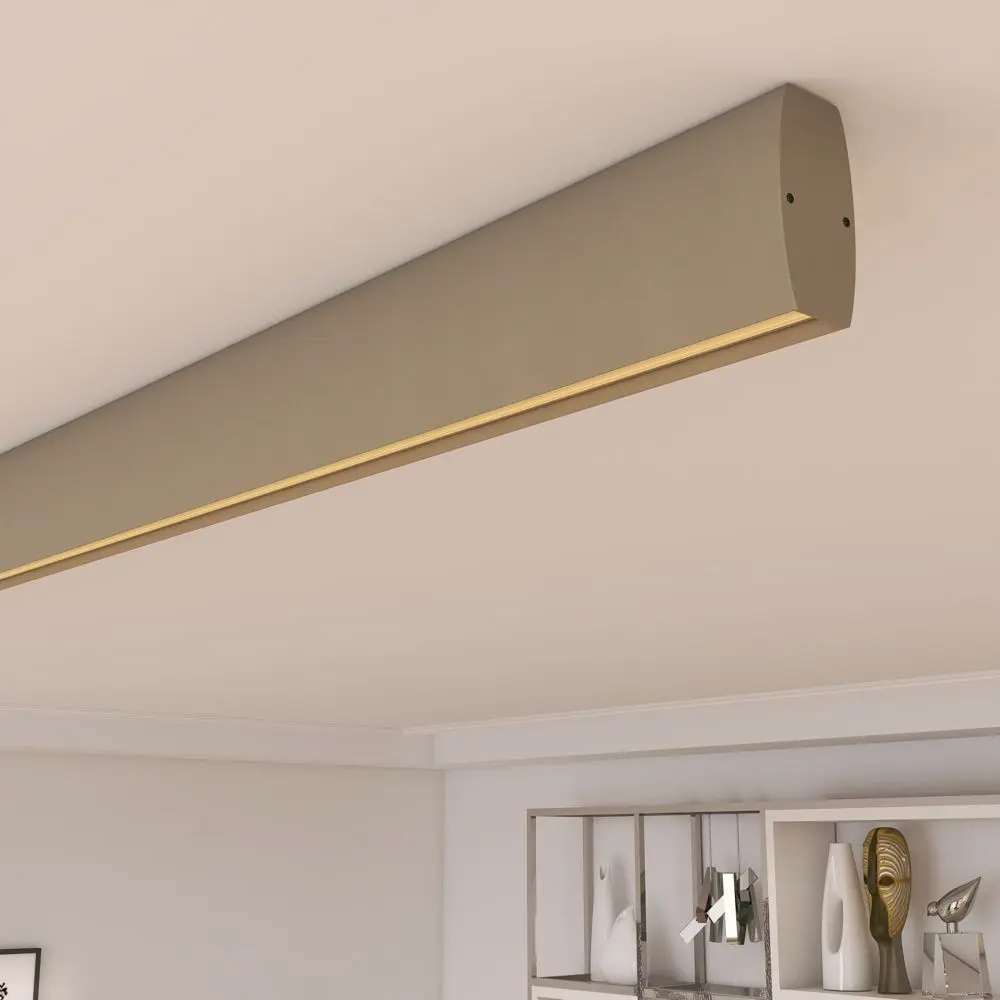
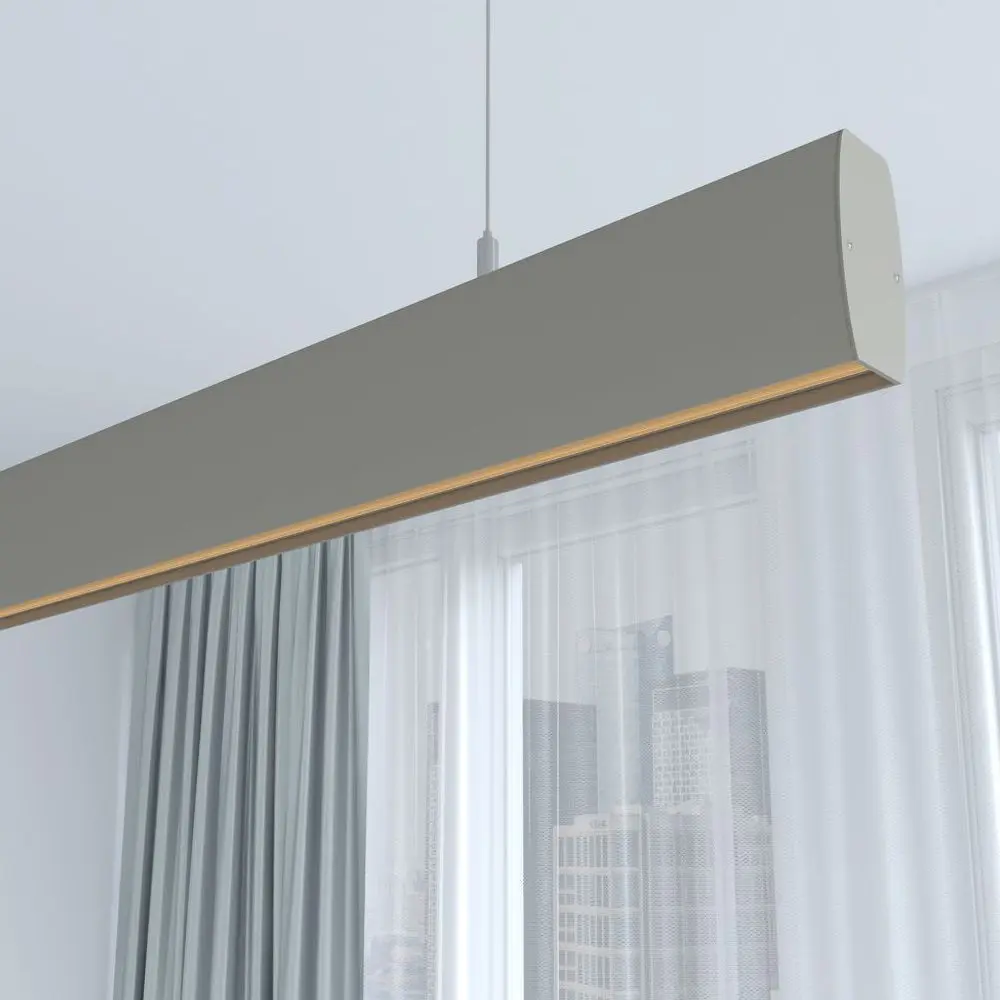
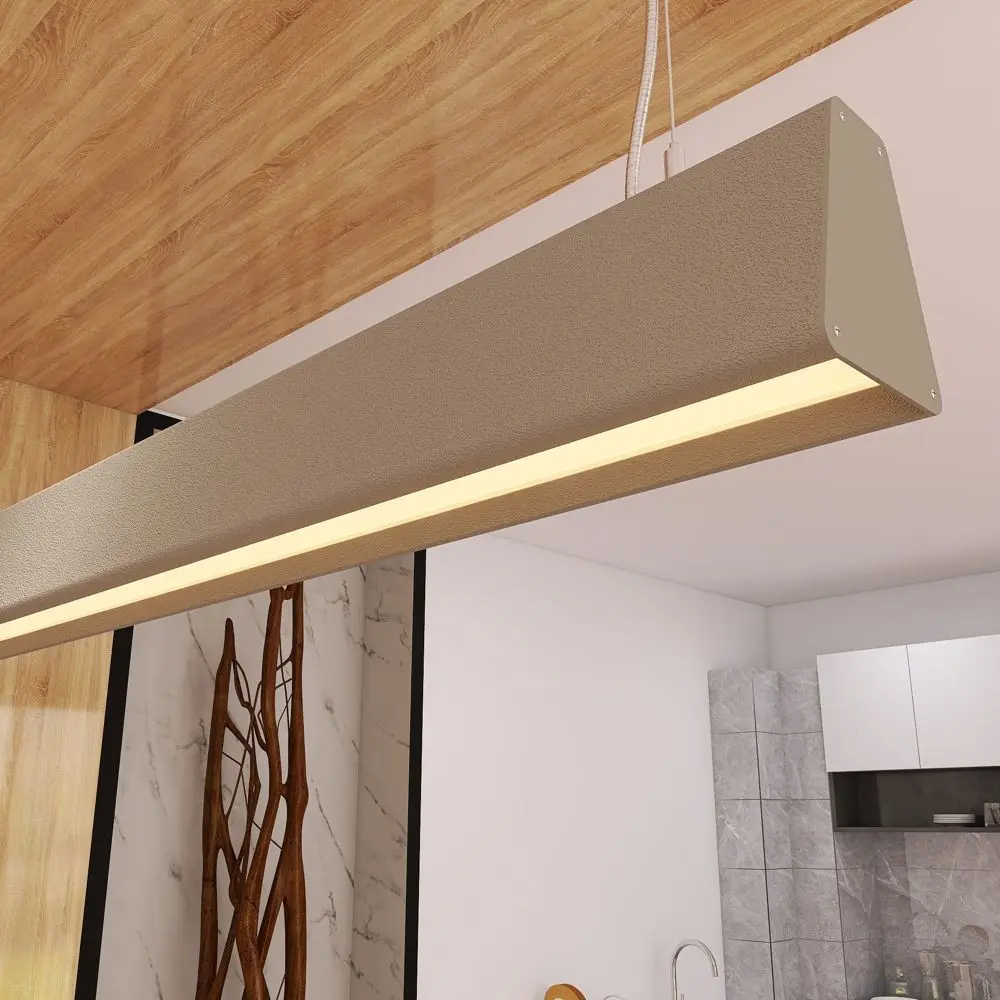
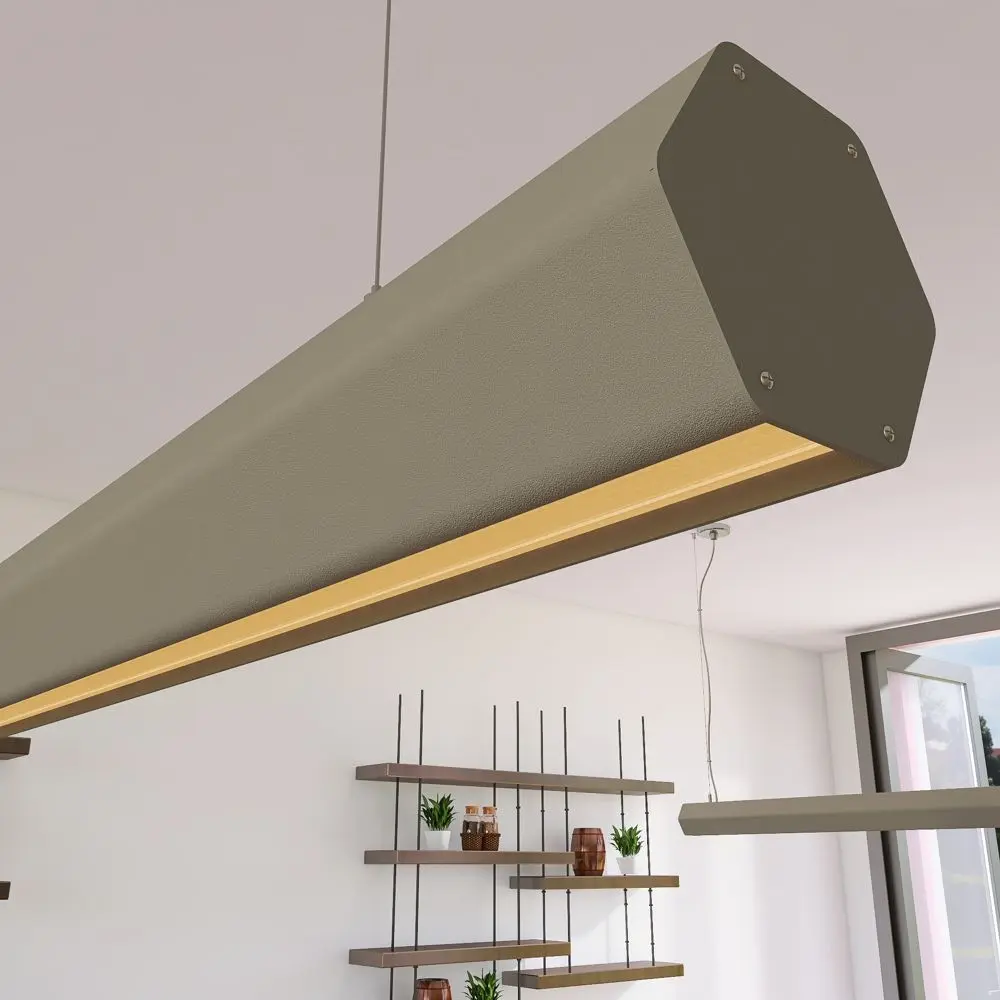
Linear LED Fixture - RICARDO Stone Gray - 0.5m - 1m - 1.5m - 2m
96,65 €
VAT included
Ref: R-17056
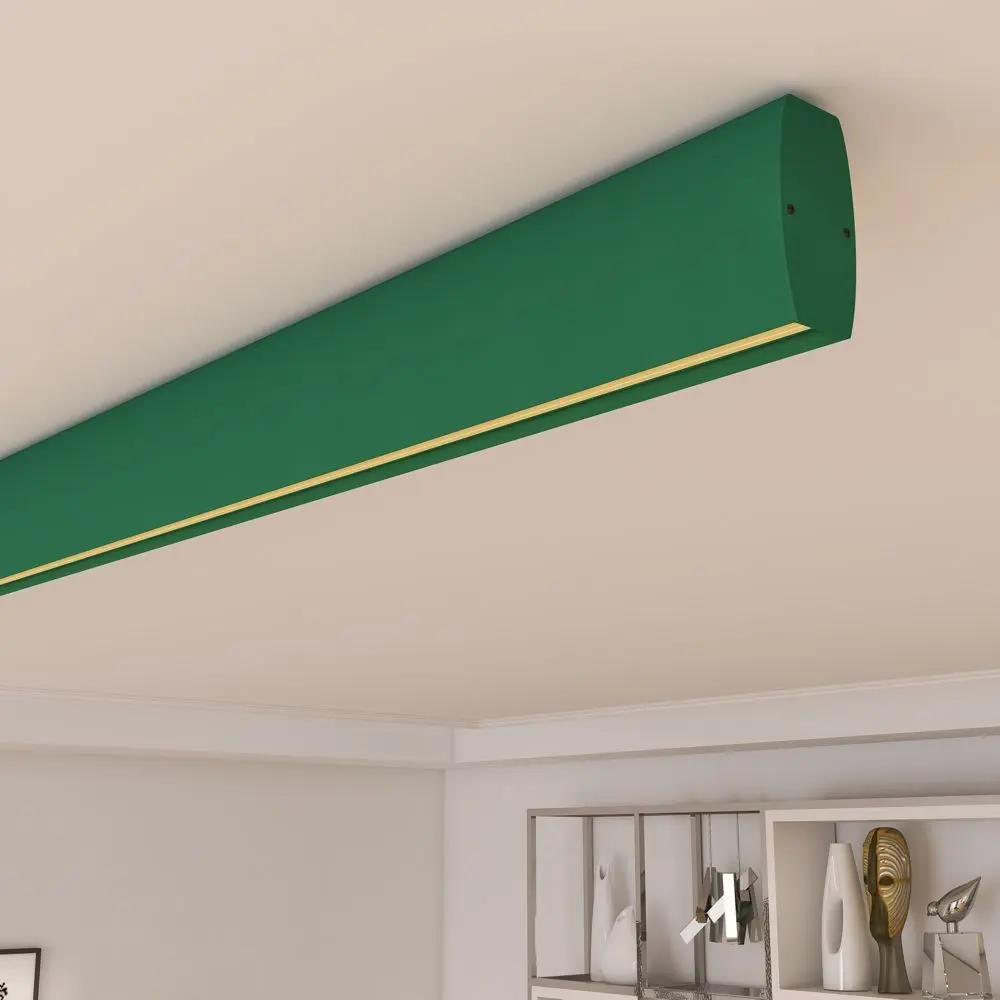
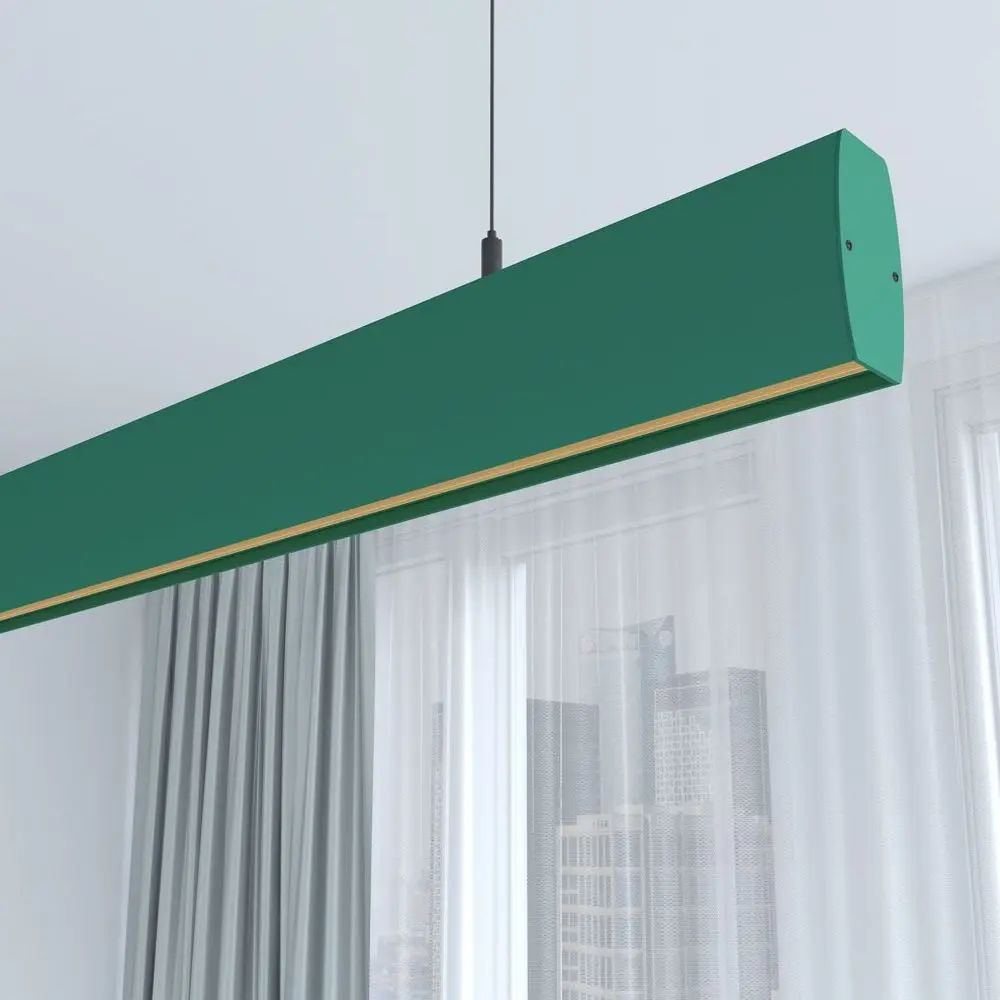
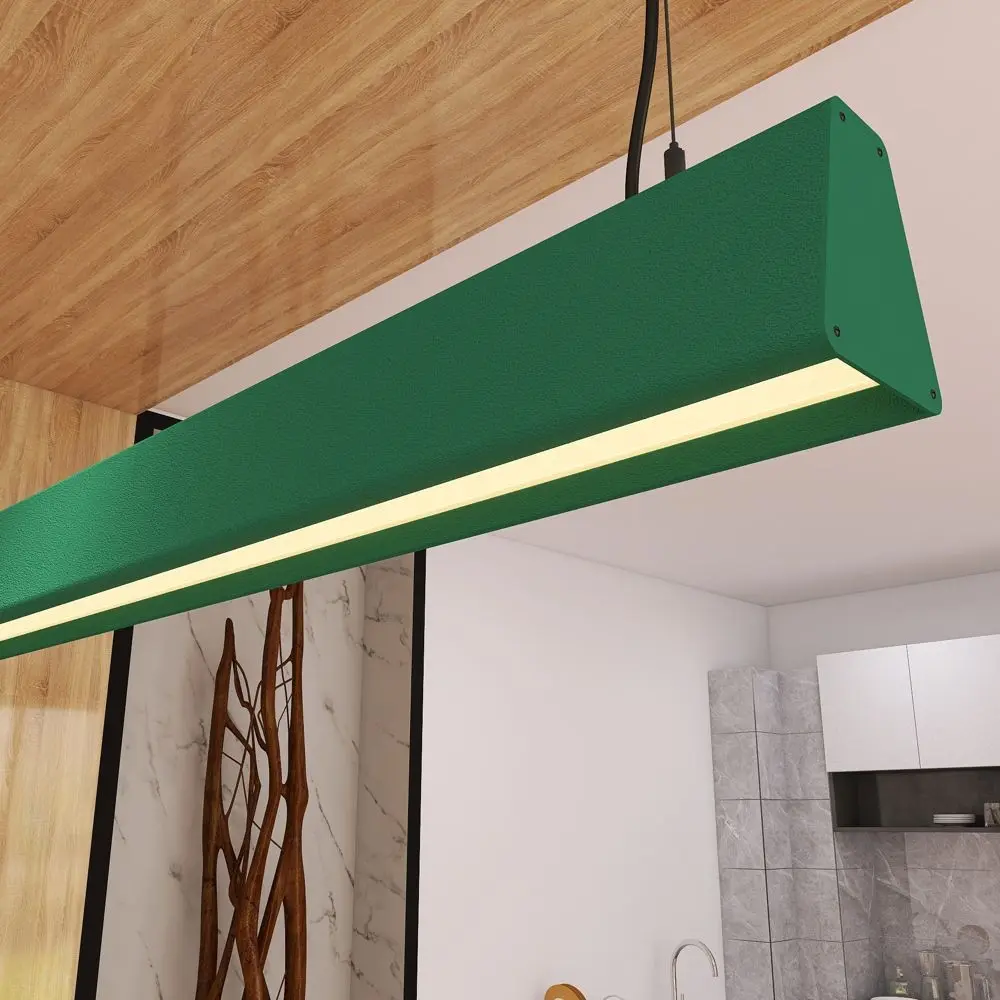
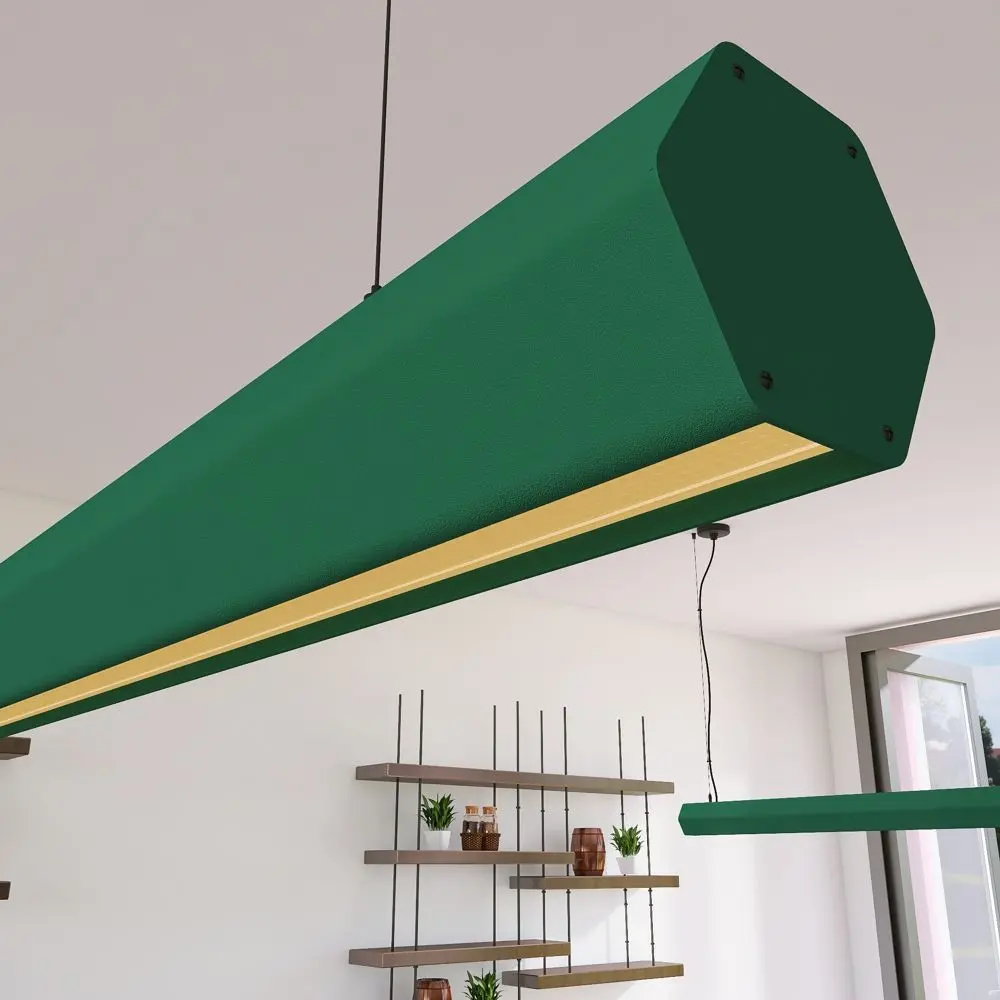
Linear LED Fixture - RICARDO Patina Green - 0.5m - 1m - 1.5m - 2m
96,65 €
VAT included
Ref: R-17055
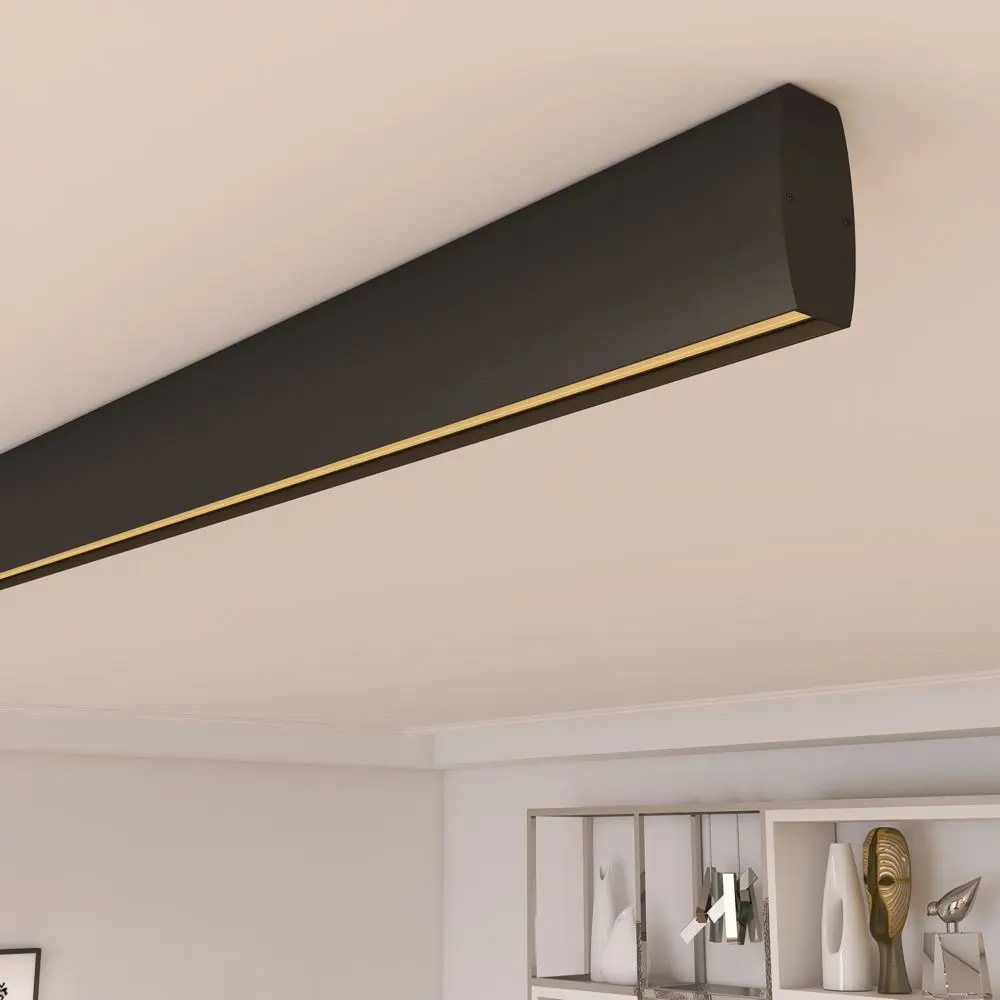
Linear LED Fixture - RICARDO Black - 0.5m - 1m - 1.5m - 2m
96,65 €
VAT included
Ref: R-17054
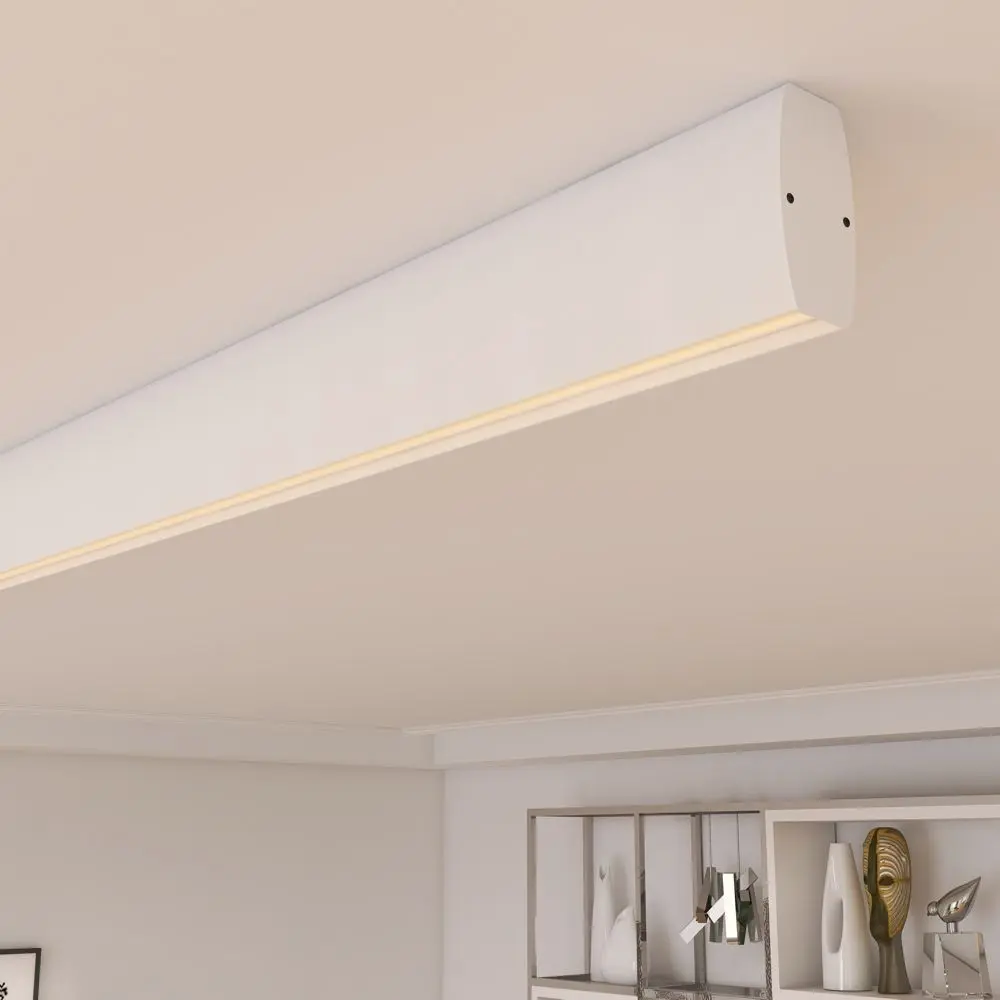
Linear LED Fixture - RICARDO White - 0.5m - 1m - 1.5m - 2m
96,65 €
VAT included
Ref: R-17053
Linear LED Pendant Lamp - RICARDO Ivory - 0.5m - 1m - 1.5m - 2m
112,94 €
VAT included
Ref: 1-10V-17059
Linear LED Pendant Lamp - RICARDO Tomato Red - 0.5m - 1m - 1.5m - 2m
112,94 €
VAT included
Ref: 1-10V-17058
Linear LED Pendant Lamp - RICARDO Pastel Yellow - 0.5m - 1m - 1.5m - 2m
112,94 €
VAT included
Ref: 1-10V-17057
Linear LED Pendant Lamp - RICARDO Gray - 0.5m - 1m - 1.5m - 2m
112,94 €
VAT included
Ref: 1-10V-17056
Linear LED Pendant Lamp - RICARDO Green - 0.5m - 1m - 1.5m - 2m
112,94 €
VAT included
Ref: 1-10V-17055
Linear LED Pendant Lamp - RICARDO Azure Blue - 0.5m - 1m - 1.5m - 2m
112,94 €
VAT included
Ref: 1-10V-17052
Linear LED Pendant Lamp - RICARDO Black - 0.5m - 1m - 1.5m - 2m
112,94 €
VAT included
Ref: 1-10V-17054
Linear LED Pendant Lamp - RICARDO White - 0.5m - 1m - 1.5m - 2m
112,94 €
VAT included
Ref: 1-10V-17053
Linear LED Pendant Lamp - CARMEN Ivory - 0.5m - 1m - 1.5m - 2m
132,65 €
VAT included
Ref: 1-10V-17051
Linear LED Pendant Lamp - CARMEN Tomato Red - 0.5m - 1m - 1.5m - 2m
132,65 €
VAT included
Ref: 1-10V-17050
Linear LED Pendant Lamp - CARMEN Pastel Yellow - 0.5m - 1m - 1.5m - 2m
132,65 €
VAT included
Ref: 1-10V-17049
Linear LED Pendant Lamp - CARMEN Stone Gray - 0.5m - 1m - 1.5m - 2m
132,65 €
VAT included
Ref: 1-10V-17048
Linear LED Pendant Lamp - CARMEN Patina Green - 0.5m - 1m - 1.5m - 2m
132,65 €
VAT included
Ref: 1-10V-17047
Linear LED Pendant Lamp - CARMEN Black - 0.5m - 1m - 1.5m - 2m
132,65 €
VAT included
Ref: 1-10V-17046
Linear LED Pendant Lamp - CARMEN Azure Blue - 0.5m - 1m - 1.5m - 2m
132,65 €
VAT included
Ref: 1-10V-17044
Linear LED Pendant Lamp - CARMEN White - 0.5m - 1m - 1.5m - 2m
132,65 €
VAT included
Ref: 1-10V-17045
Linear LED Pendant Lamp - PACO Tomato Red - 0.5m - 1m - 1.5m - 2m
130,08 €
VAT included
Ref: 1-10V-17042
Linear LED Pendant Lamp - PACO Ivory - 0.5m - 1m - 1.5m - 2m
130,08 €
VAT included
Ref: 1-10V-17043
Linear LED Pendant Lamp - PACO Pastel Yellow - 0.5m - 1m - 1.5m - 2m
130,08 €
VAT included
Ref: 1-10V-17041
Linear LED Pendant Lamp - PACO Stone Gray - 0.5m - 1m - 1.5m - 2m
130,08 €
VAT included
Ref: 1-10V-17040
Linear LED Pendant Lamp - PACO Patina Green - 0.5m - 1m - 1.5m - 2m
130,08 €
VAT included
Ref: 1-10V-17039
Linear LED Pendant Lamp - PACO Azure Blue - 0.5m - 1m - 1.5m - 2m
130,08 €
VAT included
Ref: 1-10V-17036
Linear LED Pendant Lamp - PACO Black - 0.5m - 1m - 1.5m - 2m
130,08 €
VAT included
Ref: 1-10V-17038
Linear LED Pendant Lamp - PACO White - 0.5m - 1m - 1.5m - 2m
130,08 €
VAT included
Ref: 1-10V-17037
Linear LED Pendant Lamp - LOLA Ivory - 0.5m - 1m - 1.5m - 2m
113,36 €
VAT included
Ref: 1-10V-17020
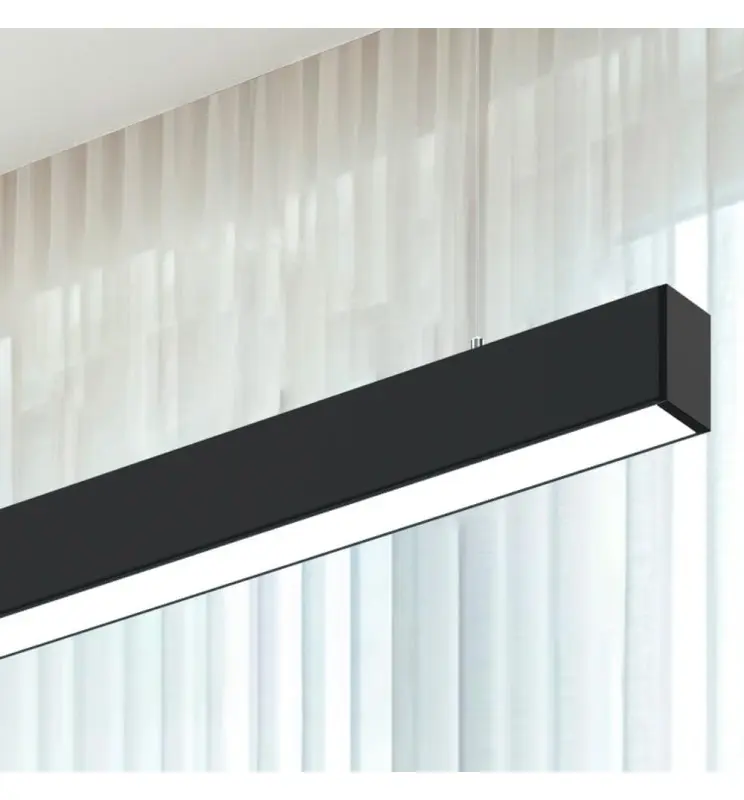
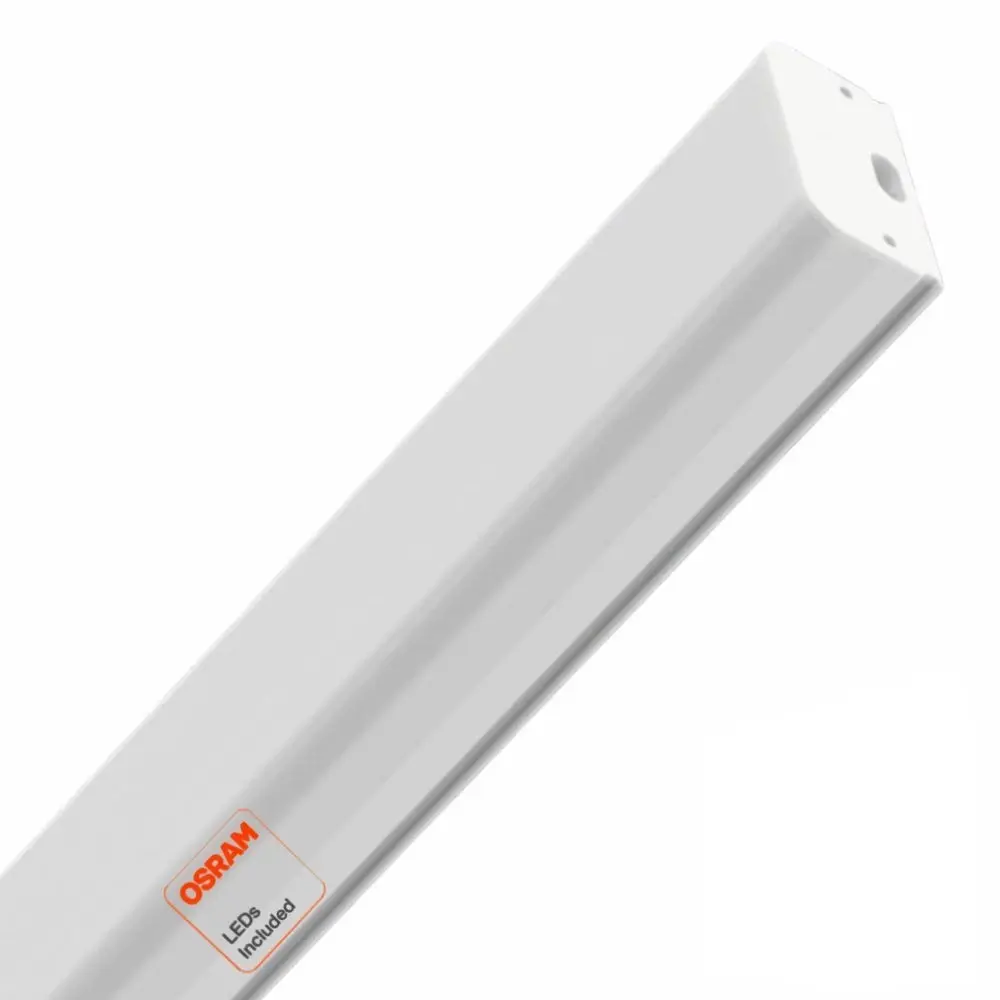
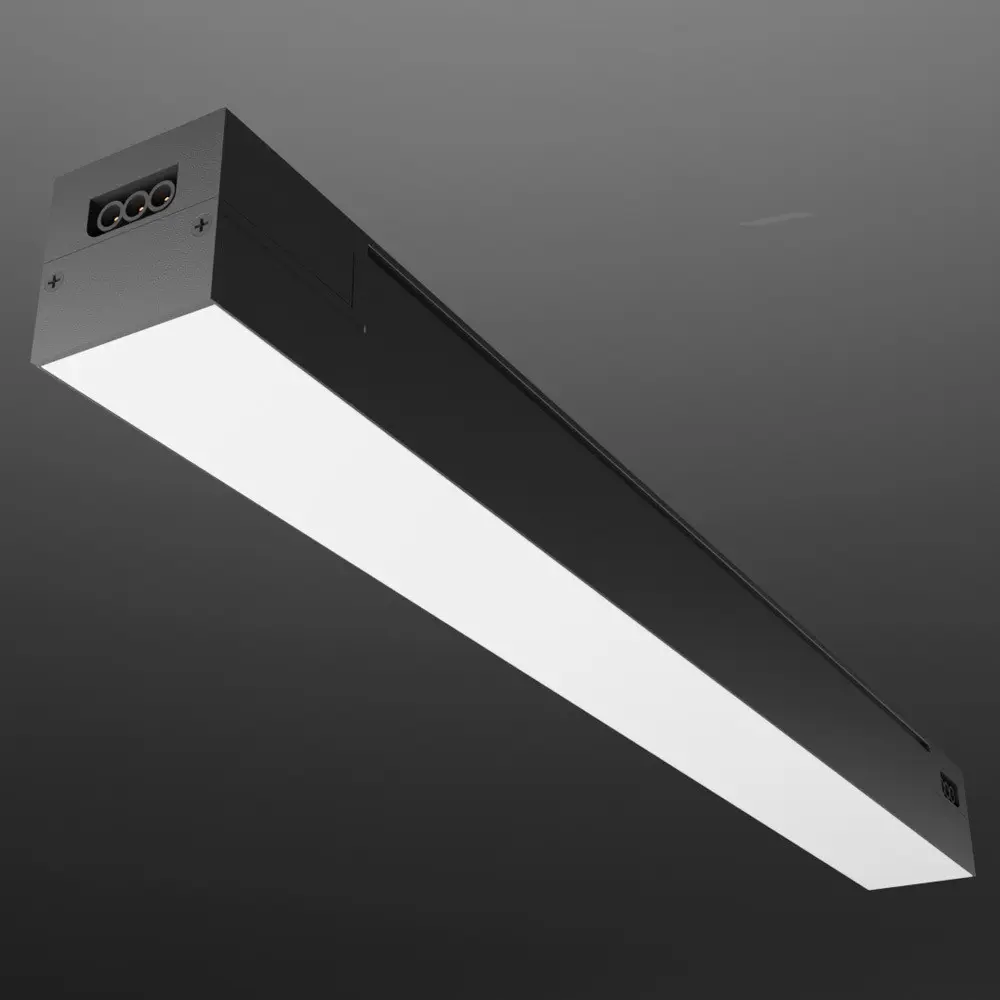
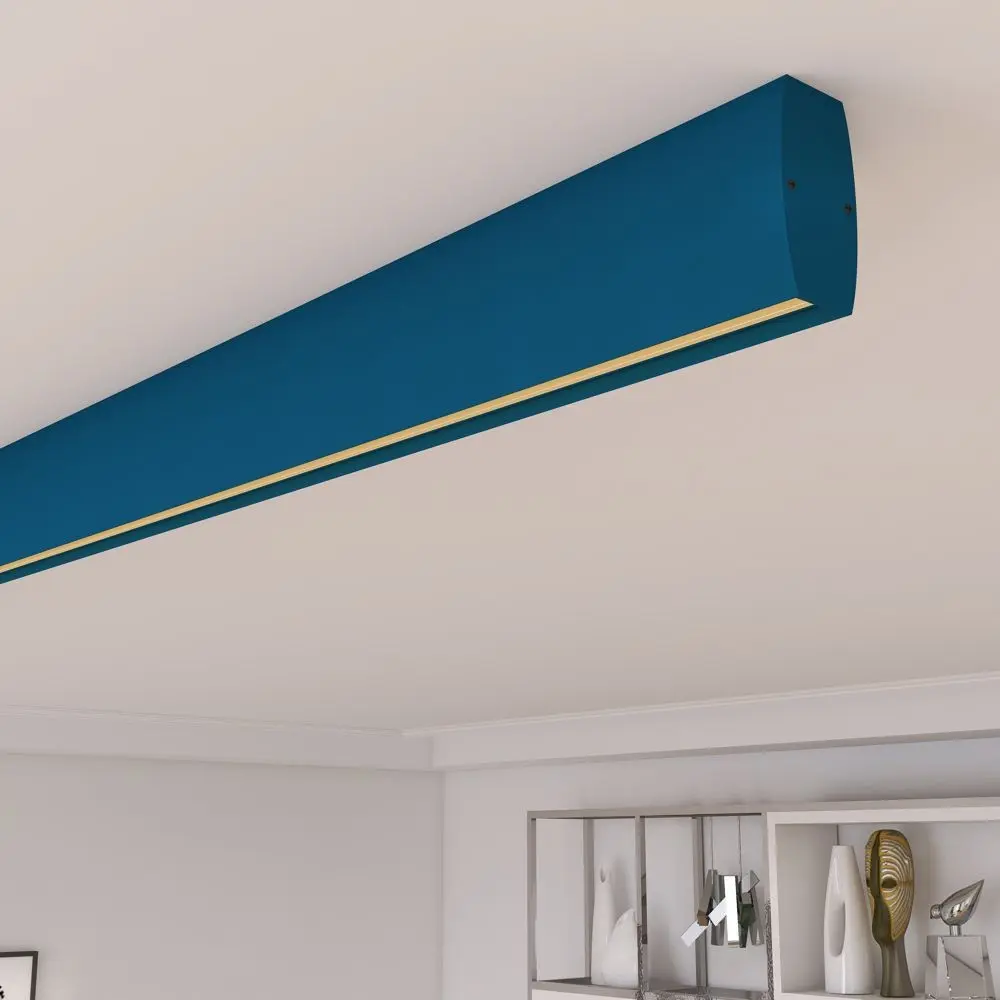
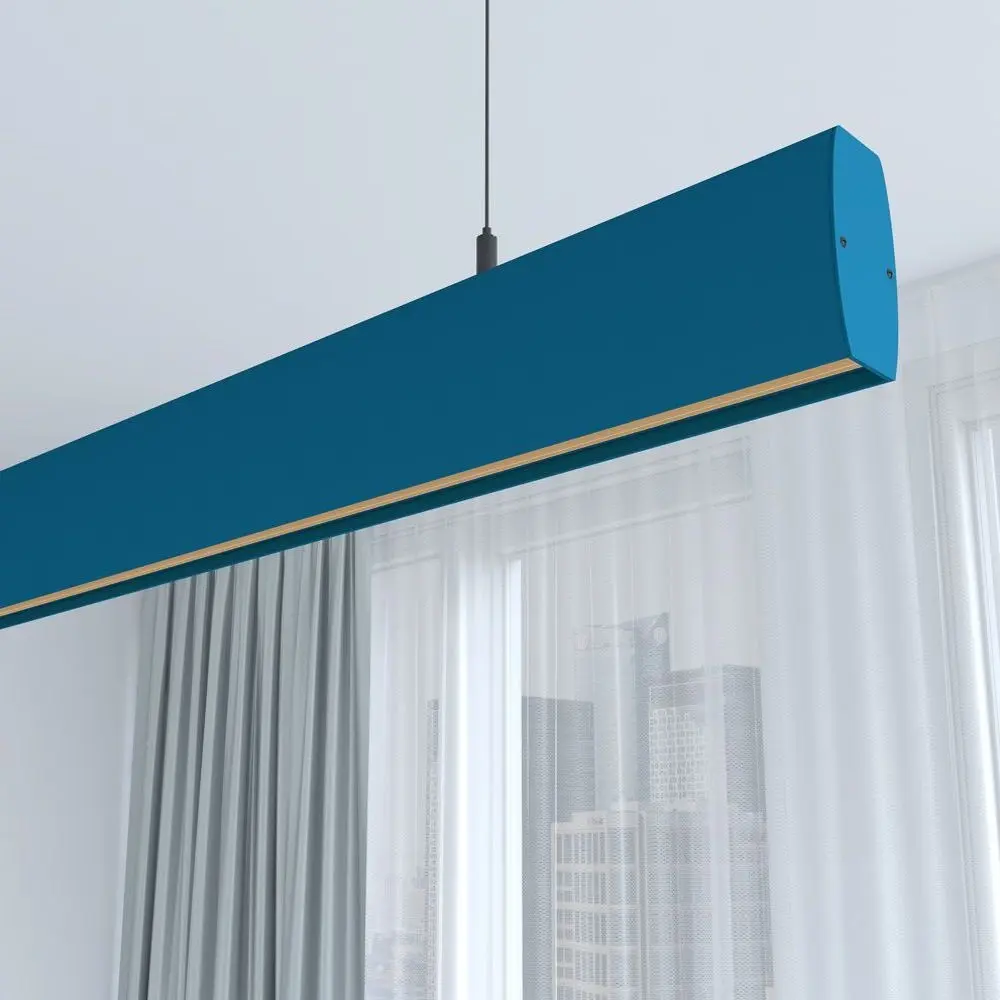
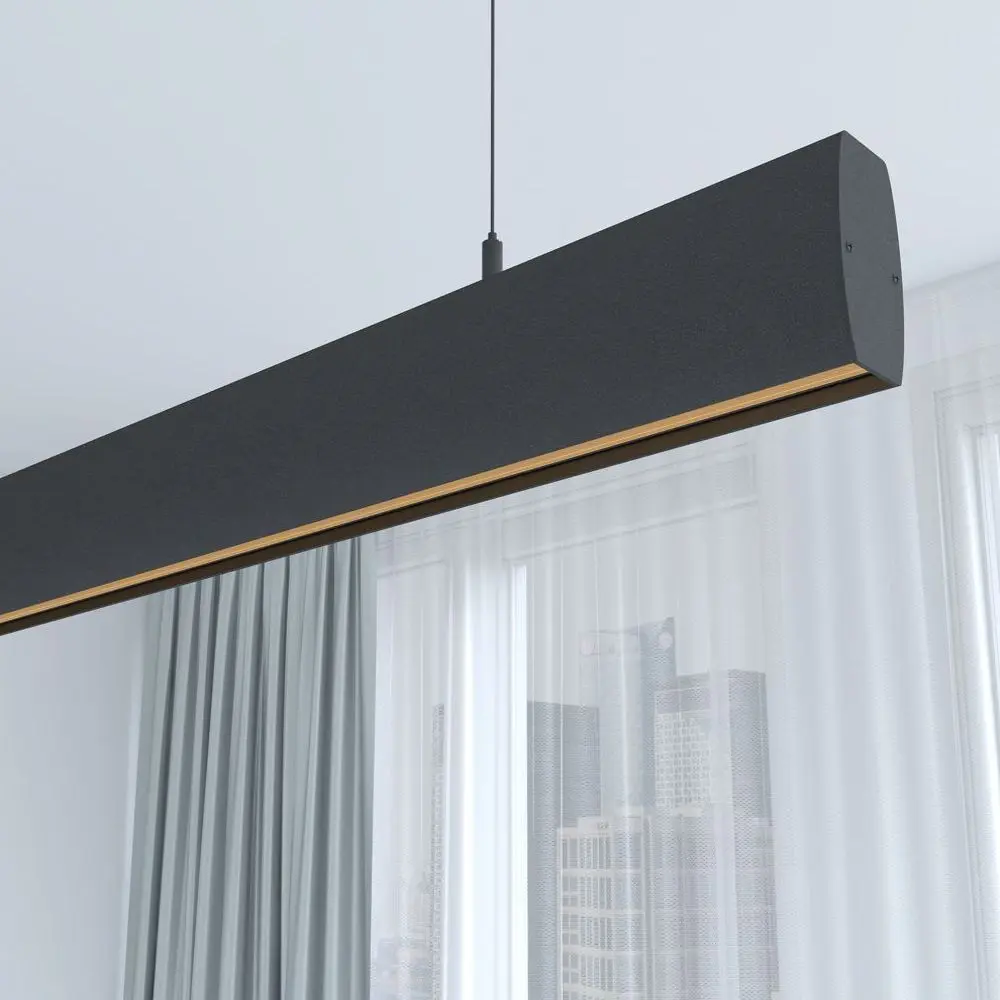
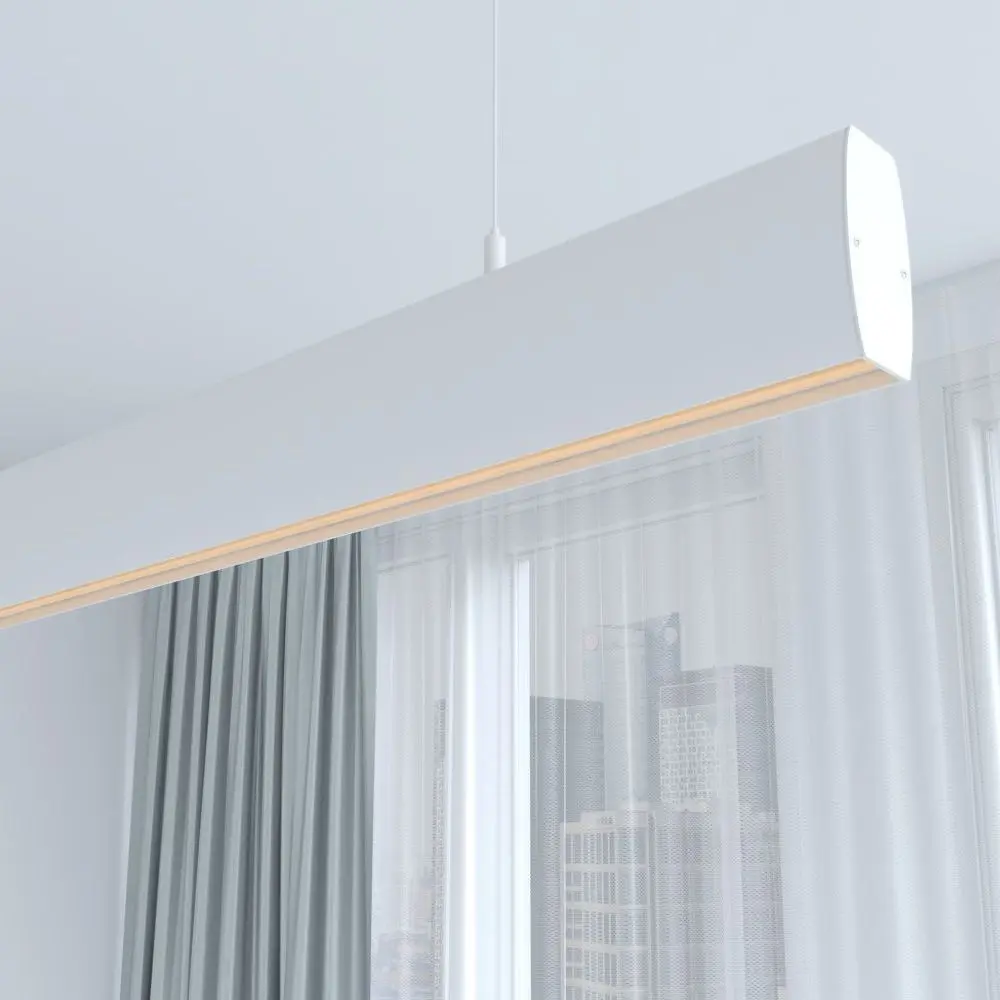
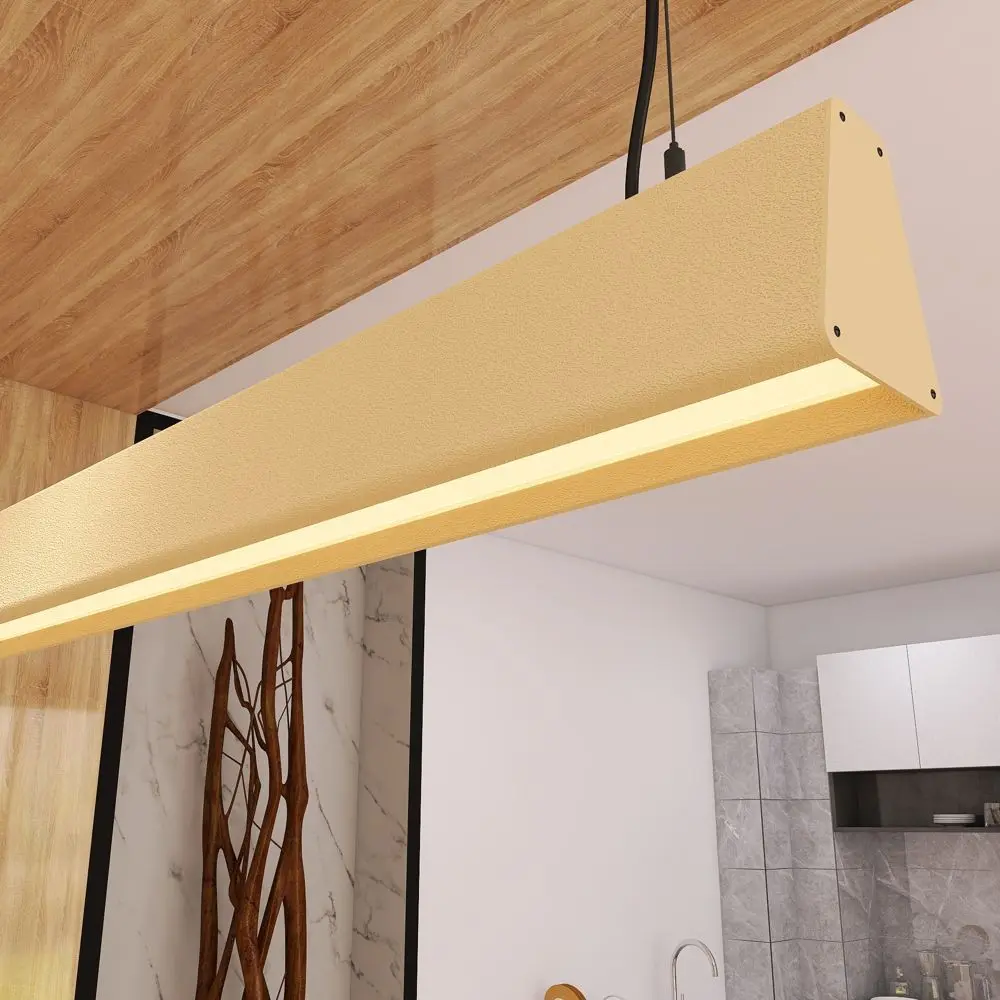
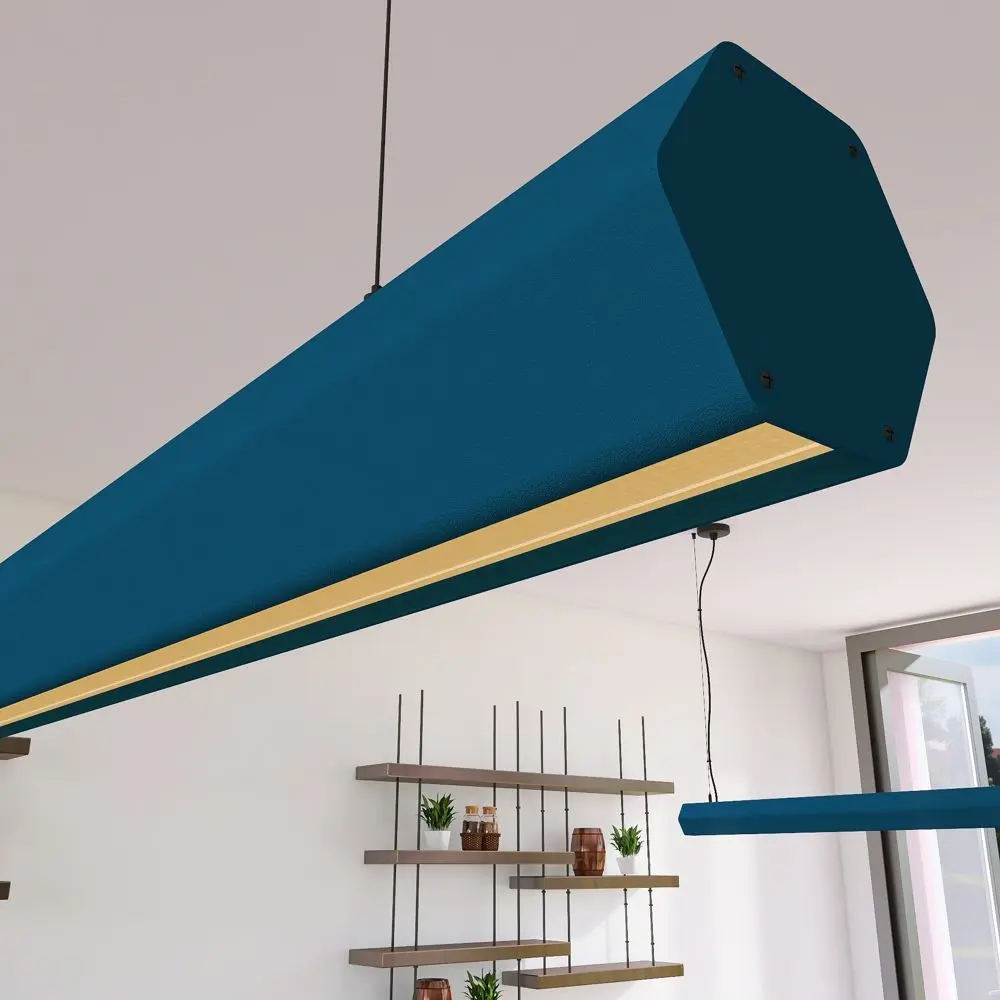
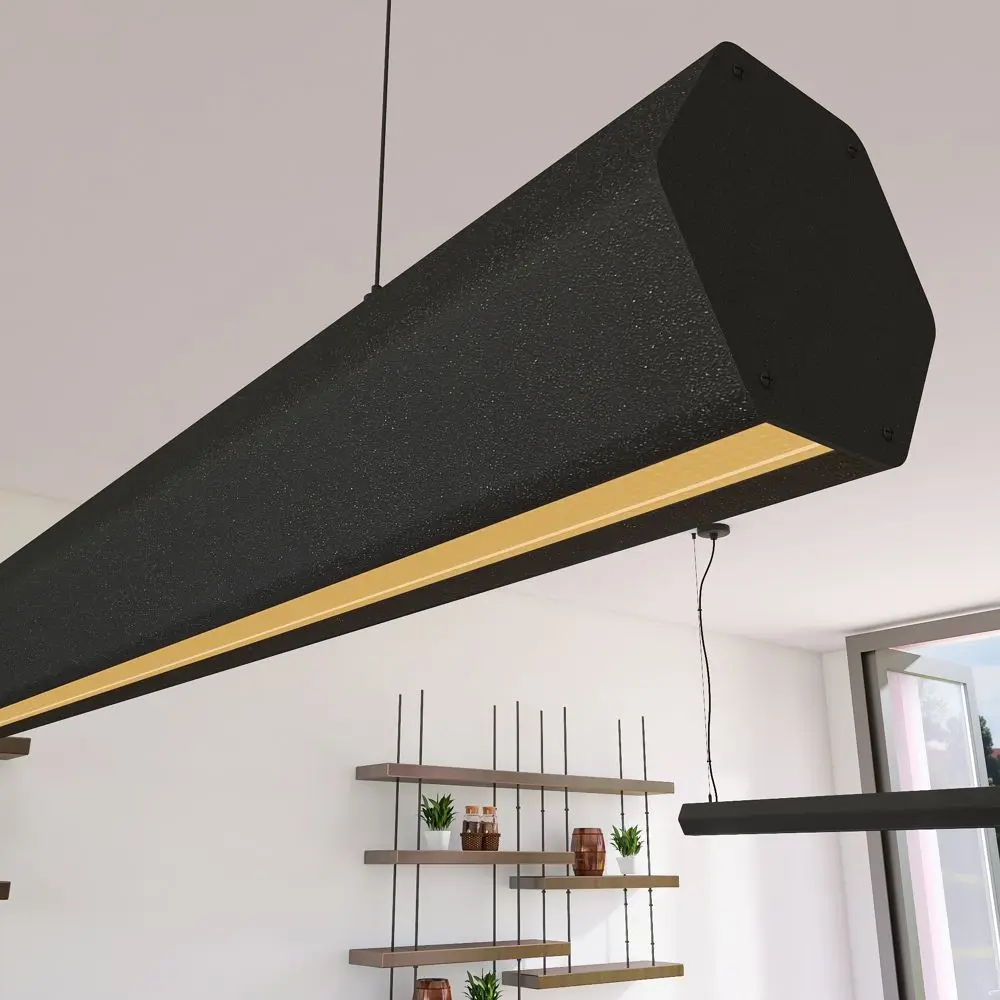
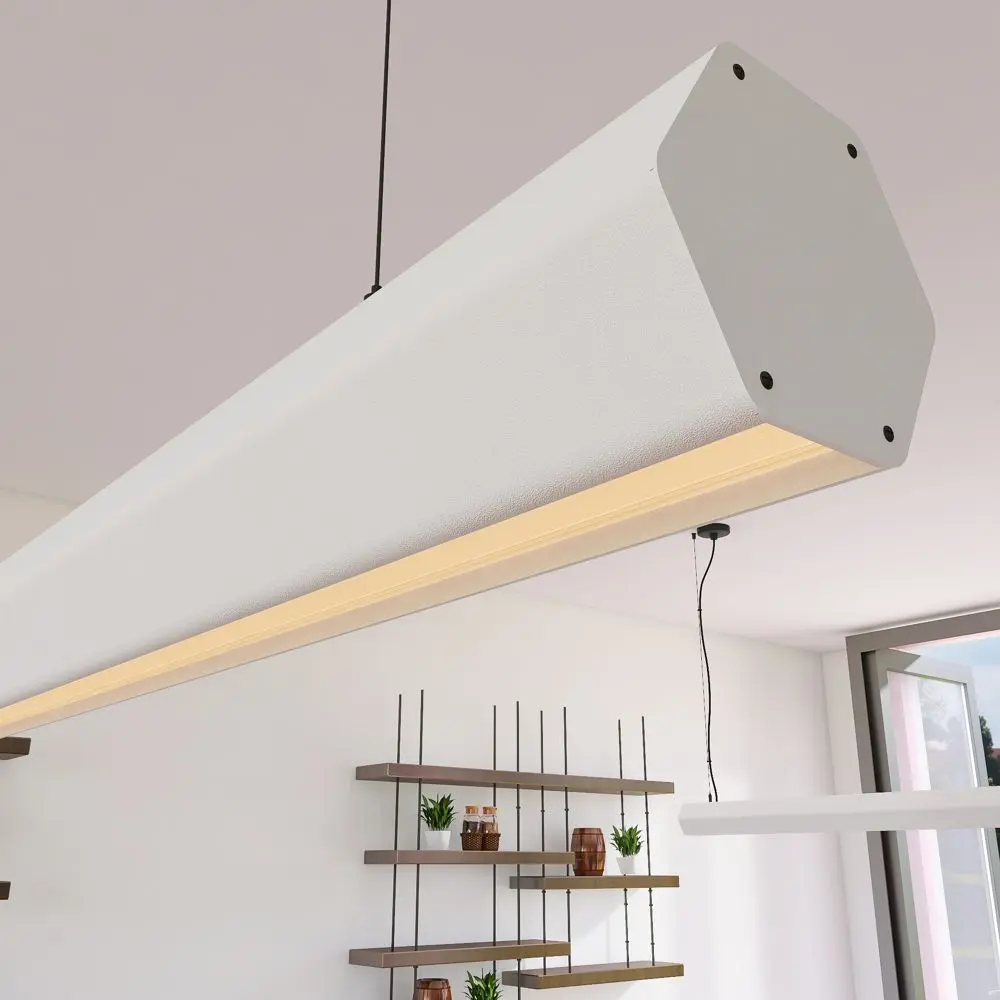
Office lamps for private offices
There is one complaint you hear in every building with enclosed offices: the room is lit, and yet reading a document on the desk is still a strain. It is not a question of installed wattage. A layer of light is missing.
The ceiling takes care of the general level; the desk needs something else. This page explains which office lamp covers each function, when the fitting overhead is enough and when task lighting needs to be added.
We write for the people who buy the material: installers, refurbishment contractors, design practices and the purchasing managers of companies fitting out their offices. We work with trade accounts, volume discounts and a personalised catalogue, and we prepare a DIALux lighting calculation before you order. The full range sits under Indoor Lighting, and you can open an account through our Contact page.
The office lamp that is missing when there is only a ceiling light
General lighting spreads an even level across the whole room. That is its job, and it does it well. The problem starts when someone leans over a sheet of paper and their own body casts a shadow exactly where they are looking.
That is where the desk lamp comes in: it is the other half of the job. It does not replace the general lighting, it complements it, which is why it is calculated differently. While the ceiling lamp serves the whole workspace, the desk lamp looks after a circle half a metre across where the real task happens.
In that particular workspace, focused work such as reviewing a contract, checking figures or drawing by hand needs a considerably higher level than the rest of the room. Raising it from the ceiling would make no sense: you would have to light the whole floor as if everyone were reading small print. Direct light on the desk surface solves it for a fraction of the energy.
A nearby light source has another advantage that tends to be forgotten: it can be switched on by itself, without lighting the whole room, and in an office that is only used now and then, that changes the annual consumption.
This two-layer functional lighting is also what best meets individual needs. In a shared office, the person looking at a screen and the person reading paper do not need the same thing, and with a single layer someone always loses out.
Adjustable desk lamp, table lamp or wall light: three ways to provide task lighting
The adjustable desk lamp is the classic piece and is still the most effective when the task demands precision. Our models feature an integrated LED, a rechargeable battery in some ranges and a tilting head to direct the beam of light exactly where it is needed.
The fixed-body table lamp covers another case: the office where the supplementary light always has to be in the same place and form part of the look of the room. There are models with a lamp holder in E27 and E14 that take whichever bulb you prefer, as well as versions with their own built-in module. This family is in LED Table Lamps, alongside the rechargeable models.
Wall lights solve the office where there is no room to spare on the desk. Mounted at the right height, they light the work surface without taking up space, and in the indirect wall light version they bounce the light up towards the ceiling to raise the general level without dazzling anyone.
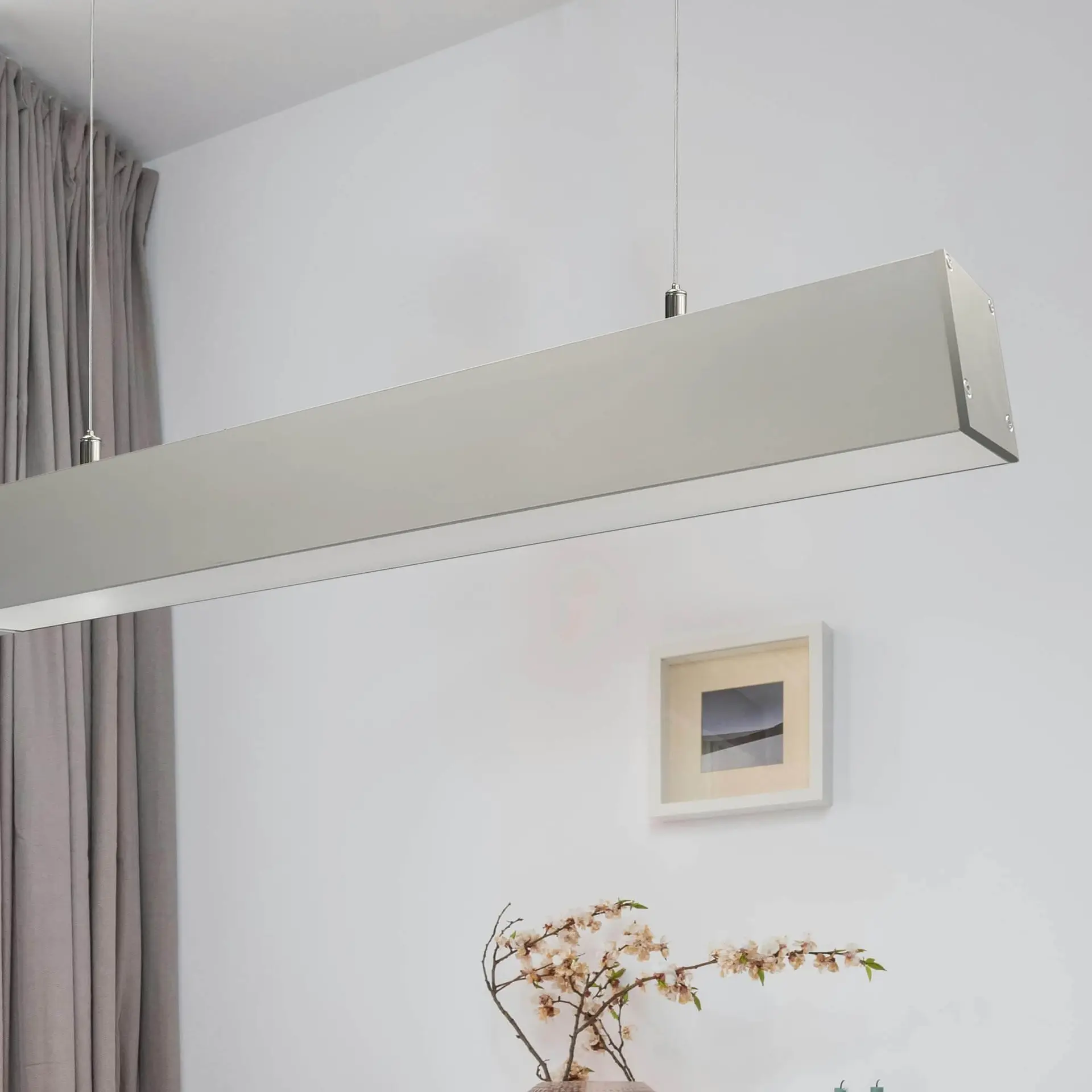
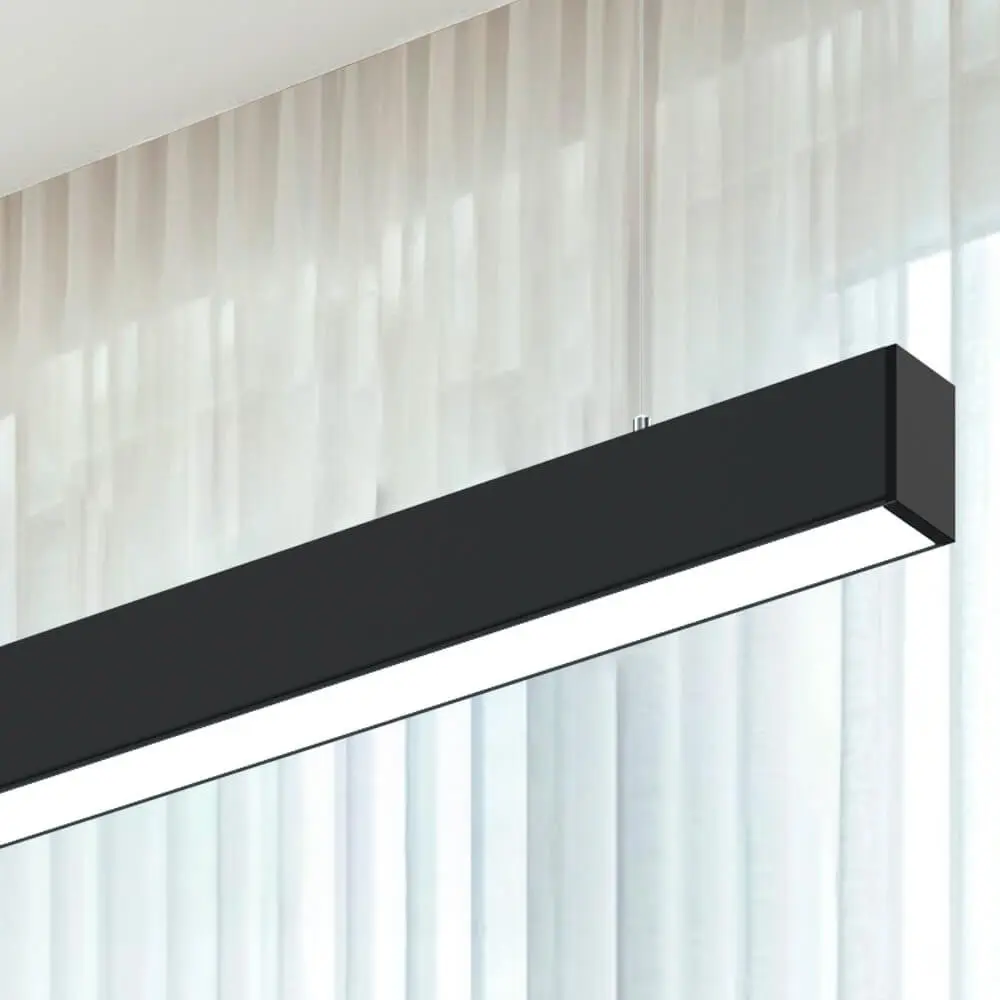
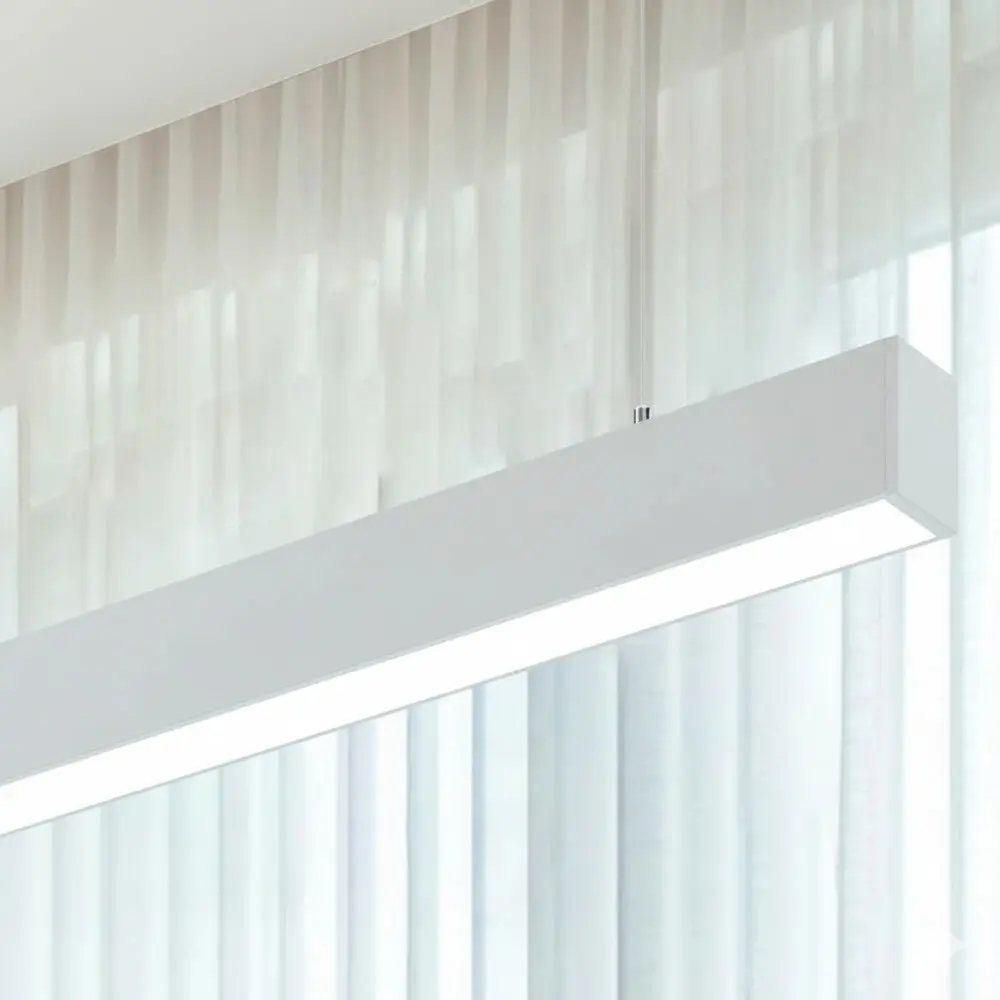
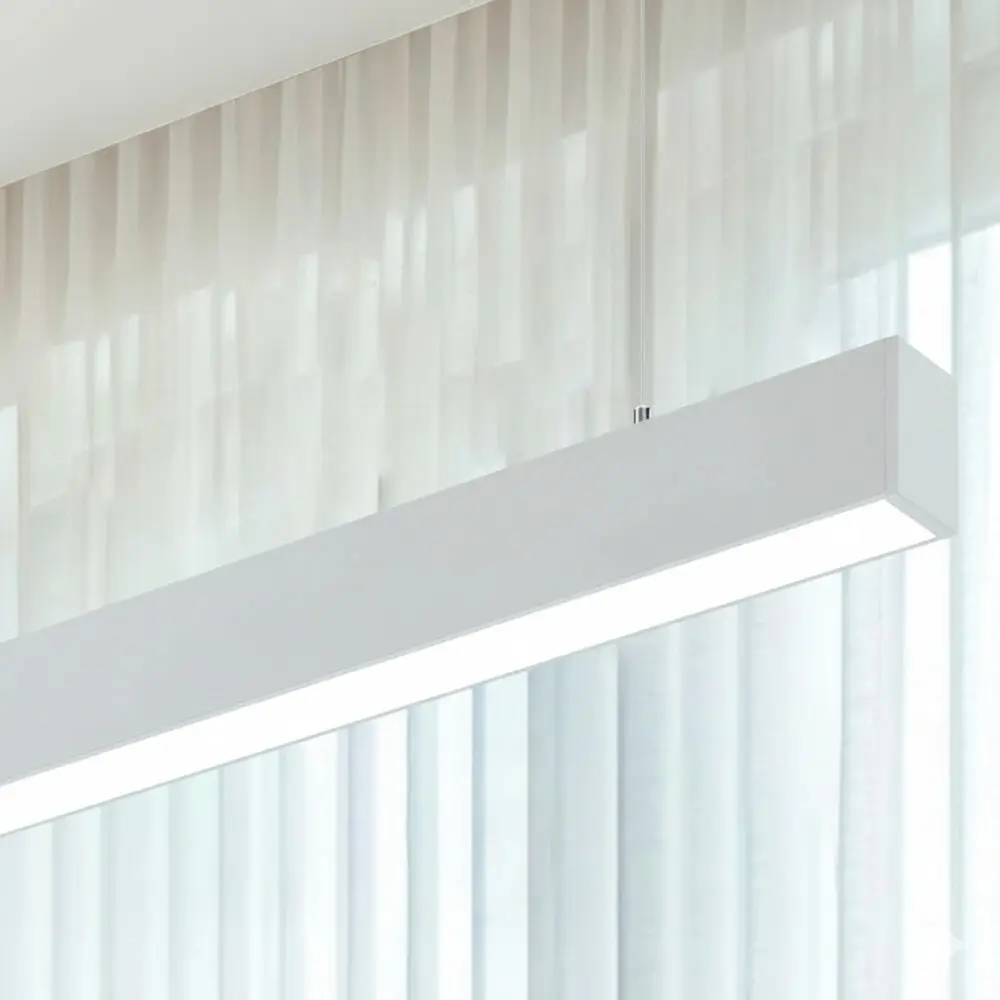
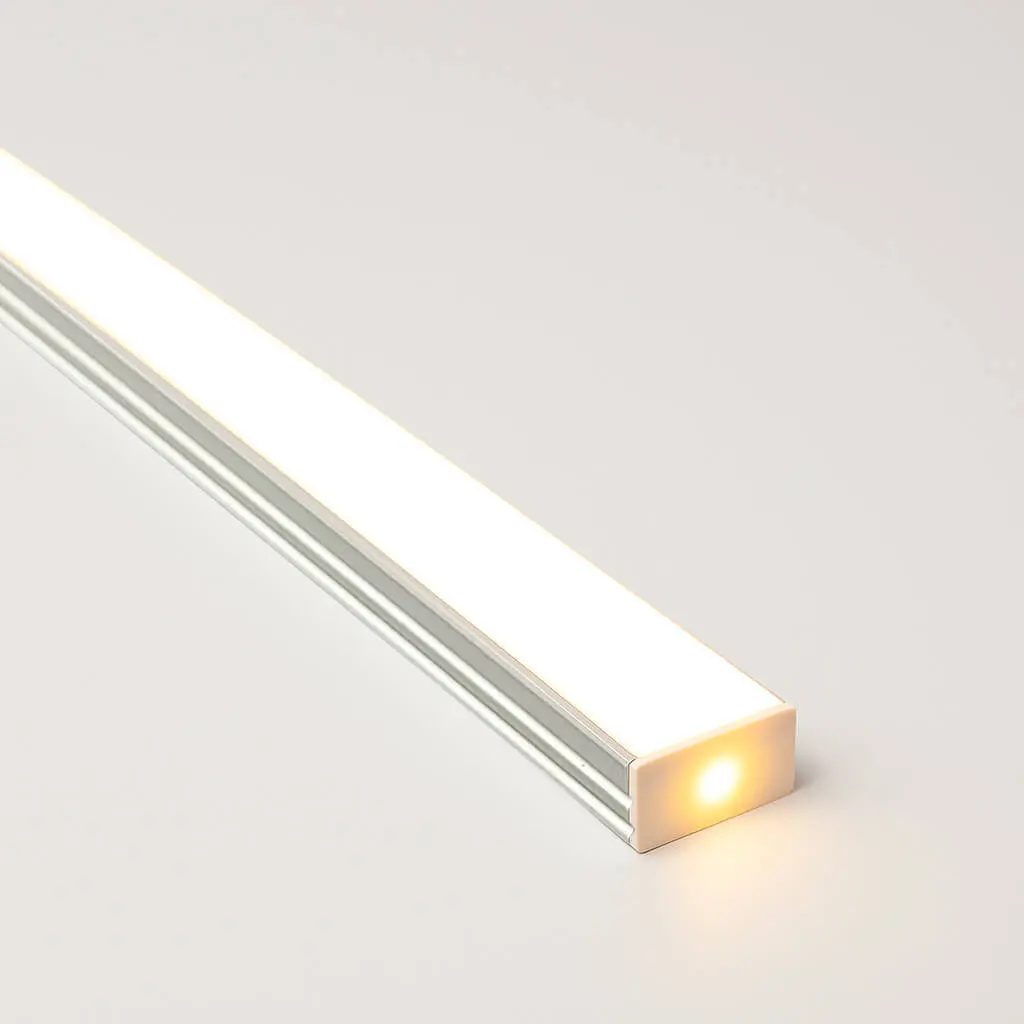
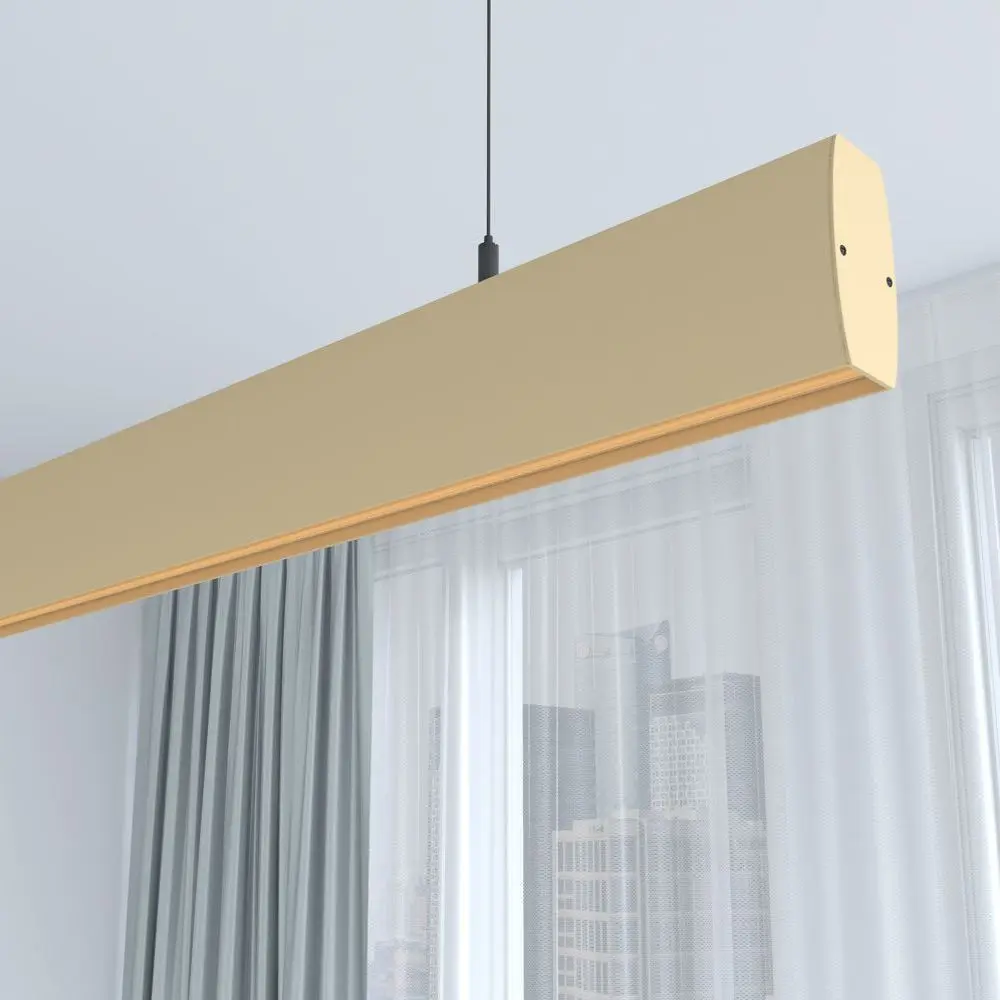
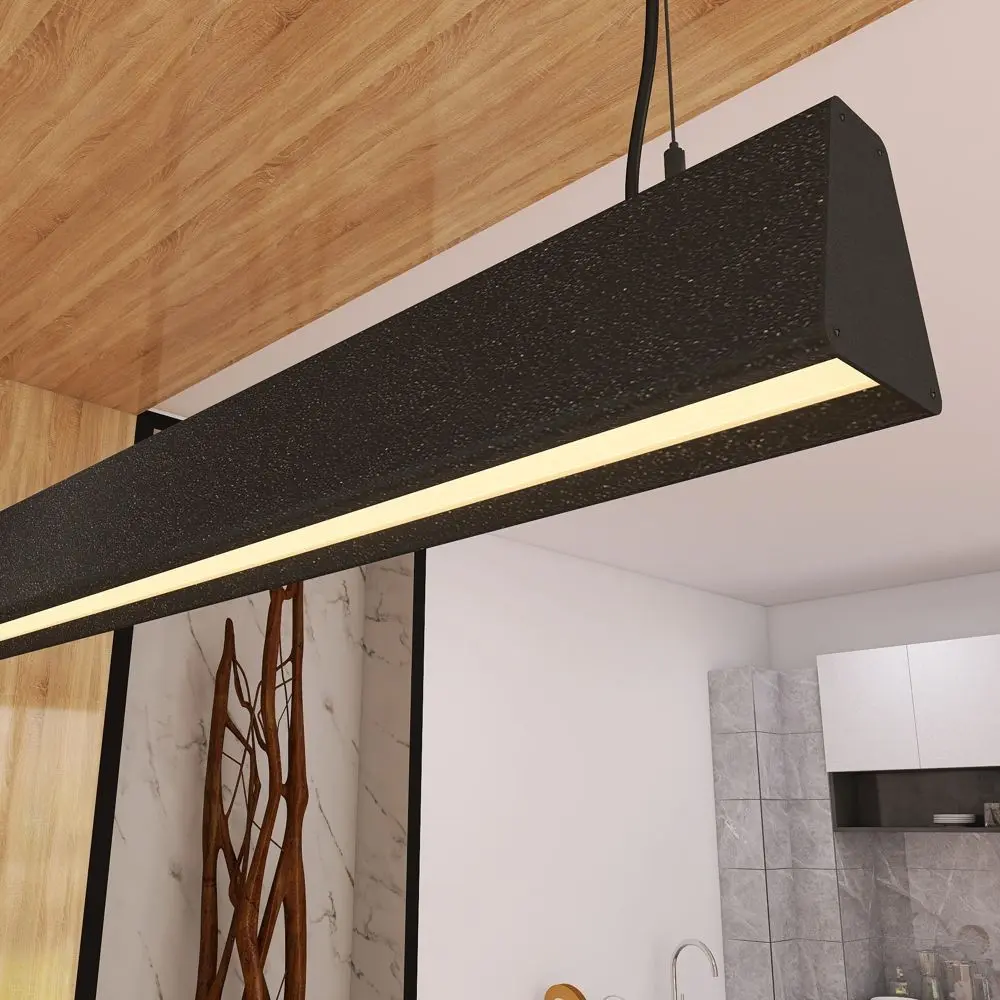
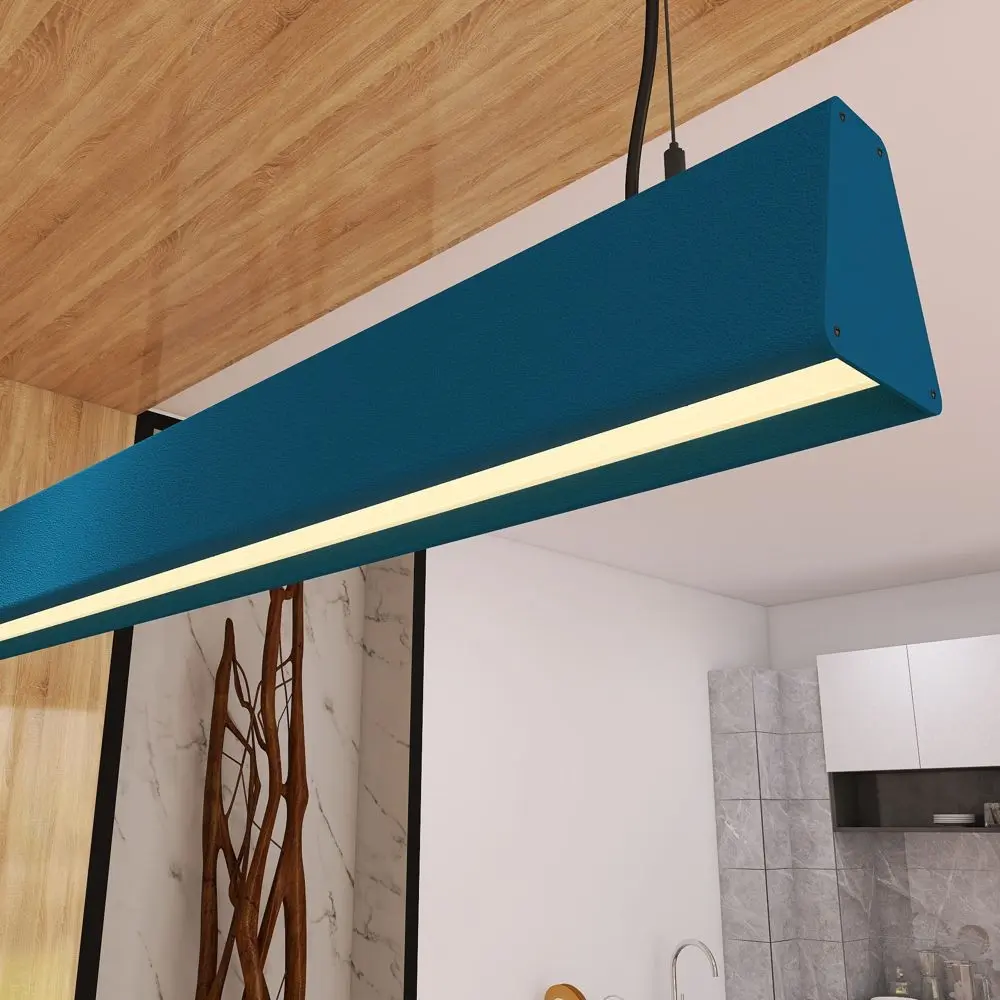
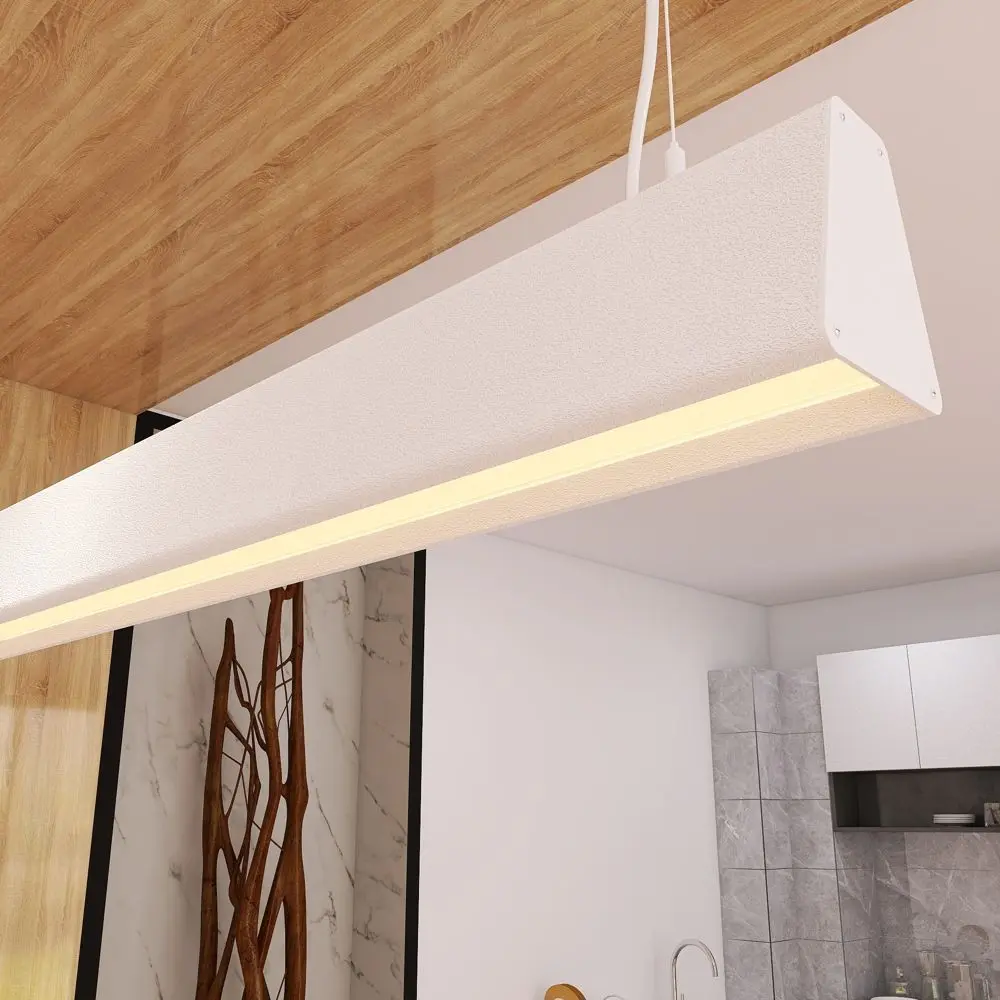
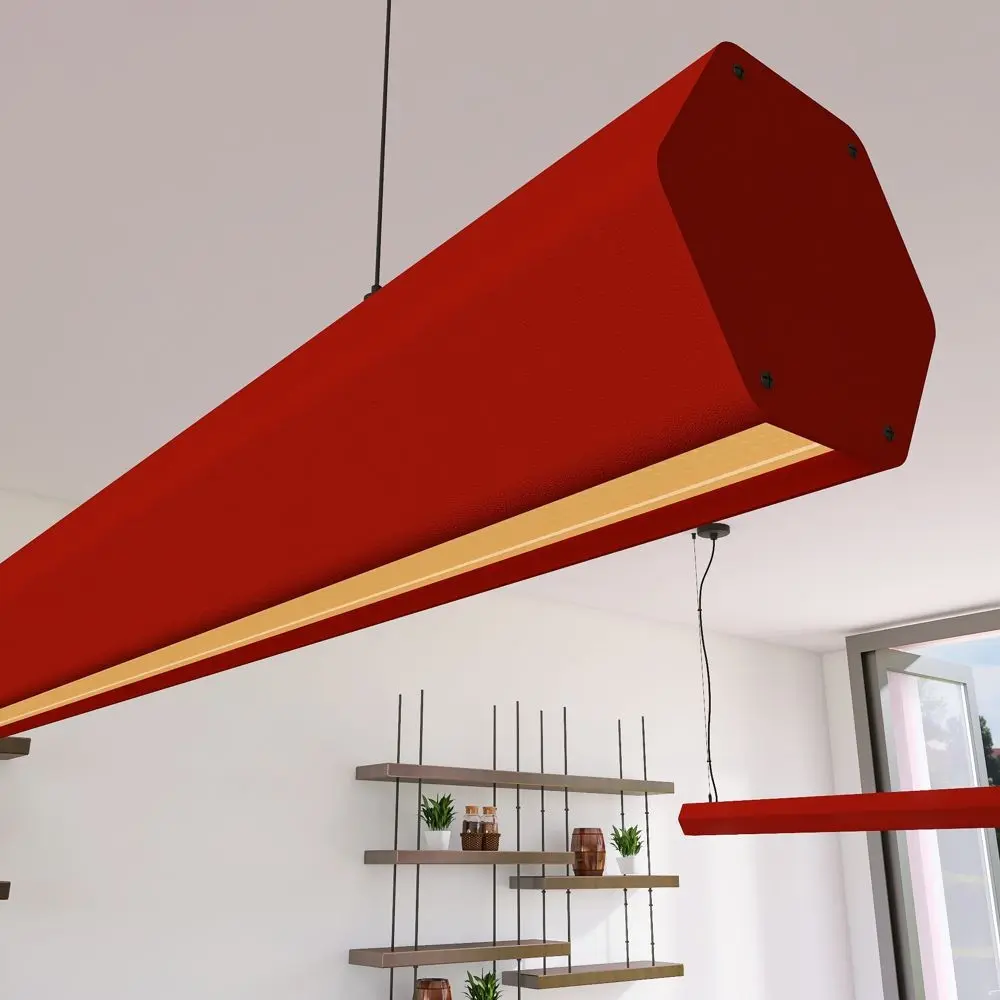
There is a fourth option that works very well in narrow offices: a linear lamp mounted under a shelf or above the sideboard. It lights the work surface from above with no fitting on the desk at all, and you will find it in the LED Linear Lighting family, where the bars come in standard lengths such as 120 cm that can be linked together.
An LED desk set-up planned along these lines also gains usable space. On a standard office desk, an adjustable lamp takes up a corner that is almost always needed for something else, and moving the light to the wall or the furniture frees that space without losing any light on the work surface.
In rooms with low ceilings, check the mounting height of wall lights: if they end up at the eye level of someone standing, they cause more trouble than they are worth. The practical rule is to keep them above the line of sight or choose the model that throws the light upwards.
What to look for in a desk lamp for an office
This is where you decide whether the purchase earns its keep or ends up in a drawer. Five data points, and none of them is the price.
The first is light output. A useful LED lamp for desk work delivers considerably more than it appears to, and you read that in the lumen figure on the datasheet, not in the watts. The lm that actually reach the paper also depend on height and angle, so a lamp that can be lowered and tilted performs better than a fixed one with more power. High luminous output that is badly aimed is no use at all.
The second is dimming. A fitting with dimmable light lets you lower the level when you are only reading a screen and raise it for paper. The ranges with a remote control do the same without getting up, which is appreciated in meeting rooms. Stepless dimming is more comfortable than fixed steps, and dimmable models operated by touch save you from hunting for a switch under the desk. Our touch-controlled models work exactly like that.
The third is colour temperature. Ranges with 3 selectable colours cover everything from the warm light of a reception area to the cool light of technical work without changing fitting, and that adjustable lighting makes it easy to adapt to the needs of each workstation without doubling up on product references.
The fourth is connectivity. Some models have a USB port for charging a phone, which turns the lamp into the charging point on the desk; in offices with no extension lead to hand, that is more welcome than you might think.
The finish matters less than it seems, but it does matter: modern designs with a matt body fit into almost any office, whereas very distinctive pieces require the rest of the furniture to match. When the office is part of the company's image, it is also worth looking at the decorative styles already in the room before choosing.
And the fifth is eye strain. A fitting with no flicker and a diffuser that hides the bare LED is what makes the difference at the end of the day, especially at display screen workstations, where the eyes are already working hard because of the monitor.
Ceiling lighting and task lighting: how they share the work
The combination that works is simple to explain and often ignored: the ceiling provides the base level and the desk provides the boost.
For the base level, the choice depends on the ceiling. A surface-mounted ceiling light covers the whole room from a single point and is in Ceiling and LED Surface. If there is an accessible suspended ceiling, that format covers the whole area better: you will find it in LED Panels. And when you want to work with individual points of light, the recessed fitting disappears into the ceiling: it is in Downlight and Ceiling Lights LED.
Ceiling light distributed with care covers a whole small room; the problem arises when that same point is expected to light the task area as well. A badly distributed ceiling lamp cannot be fixed with desk lighting, and that is worth saying plainly. If the central point leaves the corners dark, the answer is to distribute the light better up above, not to compensate down below.
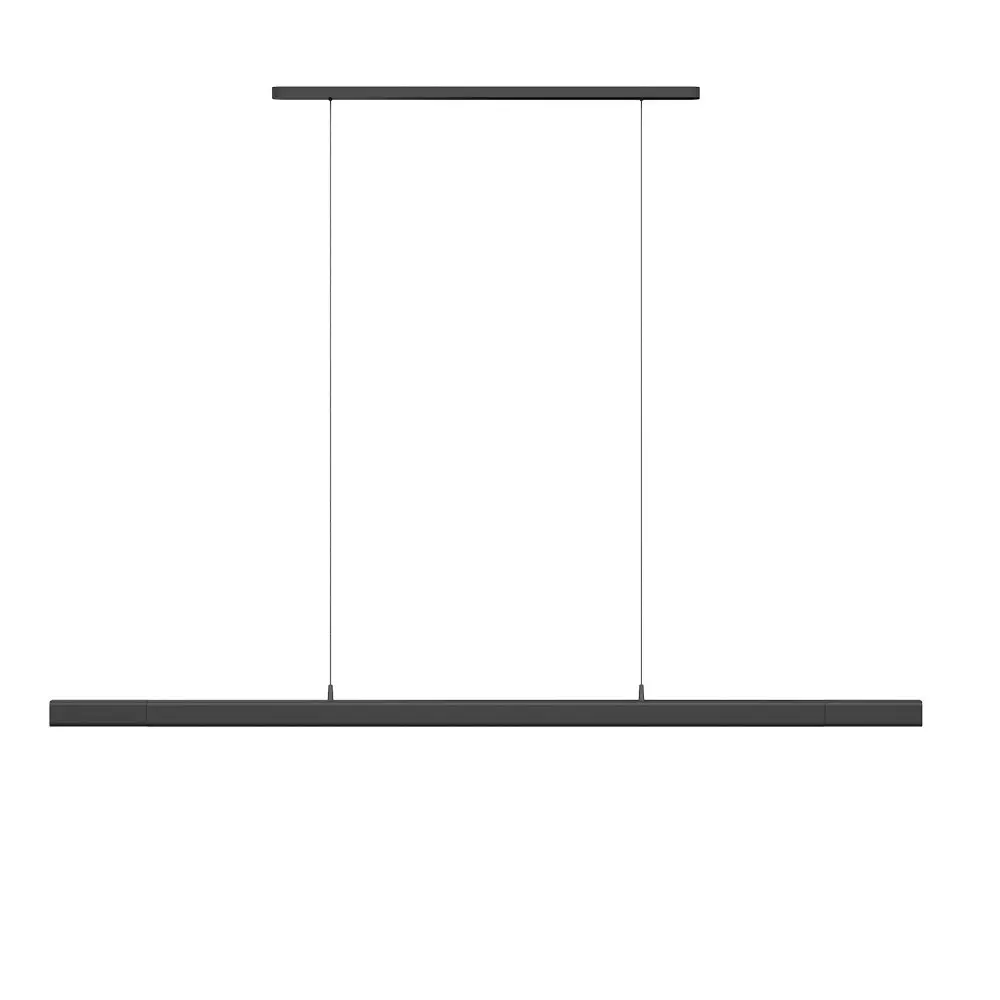
In executive offices, a pendant lamp over the meeting table does both jobs at once: it brings the focus down and adds character. It is in LED Pendant Lamps, and it should hang at a height that does not block the view between the people seated around it.
Reflected light completes the scheme. Light bounced off the ceiling or wall raises the ambient level and reduces the contrast between the lit area of the desk and the rest of the room, which is exactly what tires the eyes when working in the evening.
Lighting for offices with several rooms
When the job is not one office but a floor with twelve of them, the approach changes: what you are buying is a standard, not a single piece.
A company's office lighting is best handled by fixing two references, one for the ceiling and one for the desk, and repeating them in every room. That simplifies maintenance, makes replacements a no-brainer and avoids the badly aged look of a floor where every office has a different lamp.
In practice, the lighting for enclosed offices in a building is planned together with the open-plan area, even if it is bought in phases. Thinking about the lighting of the whole office floor, private rooms included, rather than each part separately, is what stops the result from looking patched together. The corridor is the boundary where you can tell whether the colour temperature was chosen with care: if the enclosed office is warm and the open area is in working white, the jump is glaring.
Complete office lighting also includes the areas nobody remembers when drawing up the budget: archives, print room, kitchenette. A simple luminaire with presence detection is enough there, but it has to be planned from the start.
Wattages fall within well-known ranges, and it is worth keeping them in mind when budgeting. A working desk lamp is covered by fittings of around 10 W, while a ceiling fitting for an enclosed office goes above 24 W depending on floor area and ceiling height. These are orders of magnitude, not rules: the exact figure comes from the calculation, which is why we do it before you buy.
And one practical tip for buyers: order a sample office light before closing the large order. With one unit installed in a real room, you see in a day what no datasheet will ever show you.
Light colour and visual comfort: the colour temperature of each office lamp
Colour temperature determines how the room is perceived and how the document on the desk looks.
4000K is the standard for administrative work. That neutral white keeps people alert without making the atmosphere feel cold, and it is the default choice for any administrative workstation. Cool white is reserved for precision tasks and colour checking, and warm white for reception areas and waiting rooms.
High colour temperature daylight has a clear effect on alertness, which is why it works well in interior offices with no windows, where there is no natural light to mark the rhythm of the day. In rooms on the façade, on the other hand, an intermediate temperature is better so that the contrast with the outdoors is not abrupt.
A fitting with selectable colour temperature takes this decision out of the order: the colour temperature is chosen during installation or, on desk lamps, with the button on the lamp itself. That flexibility is the reason why switchable lighting has become the norm in offices, and with today's LED technology it costs no more than a fixed-temperature fitting.
A word on uniform lighting: it is desirable across the room, not on the desk. On the task area you want precisely the opposite, a higher level than the surroundings. Confusing the two is what leads to installing twice as many fittings as are needed.
Buying office lamps for an entire building
To open a trade account, request the registration form from our sales email and send it back with your company or sole-trader documentation. Once the account is active, you get trade prices, discounts that grow with volume, a personalised catalogue with your details and the option of applying for a credit line with deferred payment, subject to approval.
For resellers there is also blind shipping, with no sender details on the parcel, and dropshipping with the catalogue connected to their shop and updated daily. It is how several distributors supply office lighting through us without holding stock of their own.
The energy efficiency of the catalogue and the low consumption of the current ranges are the arguments that convince whoever signs off the budget: a fitting with an integrated LED lamp does not need replacing for years, and compared with an old halogen desk lamp, the difference in the bill shows within the first quarter.
Shipping costs are calculated in the basket according to weight, volume and destination, and are shown before you confirm; the Canary Islands, Ceuta and Melilla require a DUA customs declaration and prior contact. The warranty is up to 6 years depending on the product, with three years as standard, and returns are processed by RMA from the customer area, with the return carriage paid by the customer.
The LED lighting for the whole building, ceiling and desk alike, therefore comes from the same order and the same range. Send us the plan of a typical room and we will return the calculation with the light level on the desk and across the rest of the room. With that figure, choosing the office lamp stops being a matter of browsing a catalogue and becomes a project decision, which is how you buy when there are twenty rooms to fit out and only one chance to get it right.
What people ask us before fitting out an office
Do I need desk lighting if the ceiling lighting is well designed?
It depends on the task. For screen work, good general lighting is enough. For reading documents, reviewing drawings or any detailed task, the desk layer makes a difference from day one.
What light output should I ask for in a desk lamp for work?
More than people usually think, and above all, well directed. Check the datasheet figure and make sure the head tilts: a lower-powered lamp that is well positioned performs better than a powerful one that lights the wall.
Do the rechargeable models last a full working day?
Battery models are designed for occasional use and for workstations with no socket nearby, not for staying on for eight hours straight. If the workstation is fixed, the mains-powered model is the better choice.
Can I order the same colour temperature for the desk lamp and the ceiling light?
Yes, and it is what we recommend. With selectable colour temperature fittings, you choose the same value on both and avoid clashing tones in the same room, which is what looks worst in a photo of the office.
Can you supply enough to fit out twenty identical offices?
Yes. Tell us the full scope and we will reserve stock so that every room is supplied from the same range; that way, replacements in two years' time will still match.
How do I choose between an adjustable desk lamp and a wall light if the office is small?
Look at the desk first. If you need the space the desk lamp takes up for paper, a monitor or a phone, a wall light or an under-shelf bar does the job just as well without taking away surface. If the desk is large and the task moves around, the desk lamp wins because it moves with you.
Do you have office lights that can be controlled from a mobile phone?
There are models with connected control and others that are operated by touch on the fitting itself. Tell us how you want to manage them and we will tell you which range fits, because not all of them offer the same options.
Más en Office Lighting